

Brunei Darussalam
The Land of Unexpected Treasures
Search
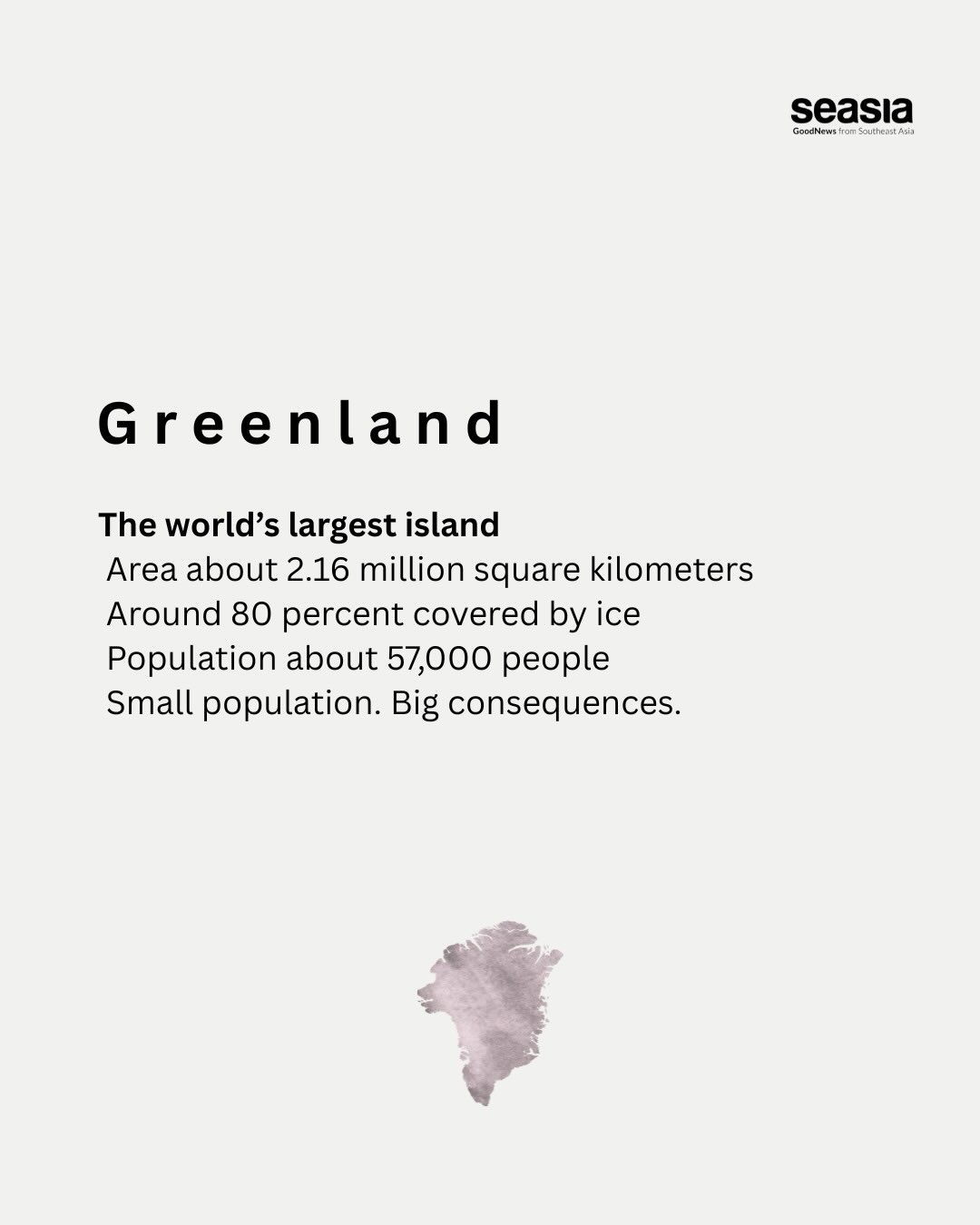
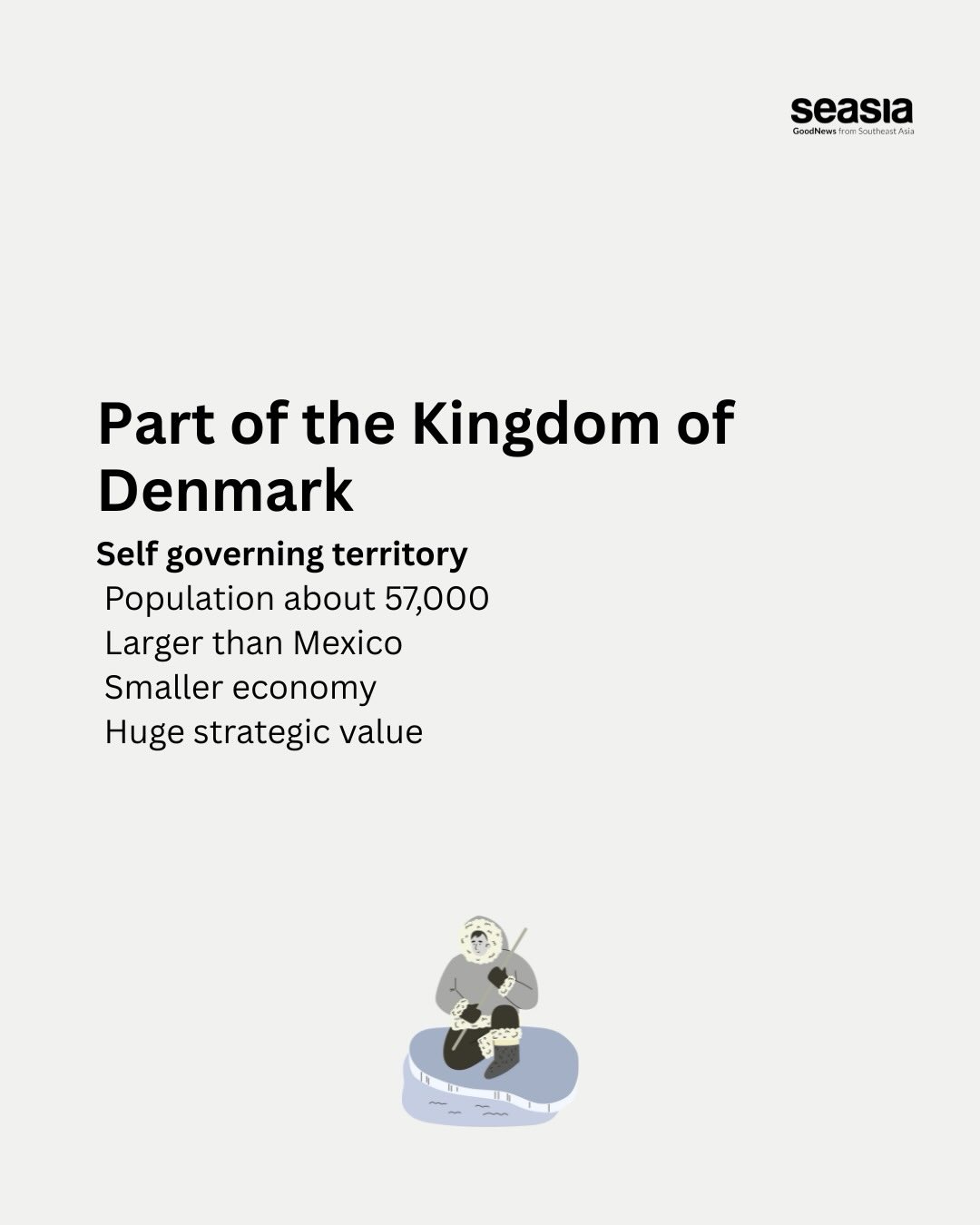

Greenland is the world’s largest island, covering about 2.16 million square kilometers. Around 80 percent of its surface is covered by ice. The population is small, about 57,000 people. Politically, Greenland is a self governing territory under the Kingdom of Denmark.
It manages its internal affairs, while defense and foreign policy remain tied to Copenhagen. For decades, Greenland stayed far from global headlines, seen as remote and quiet despite its size.
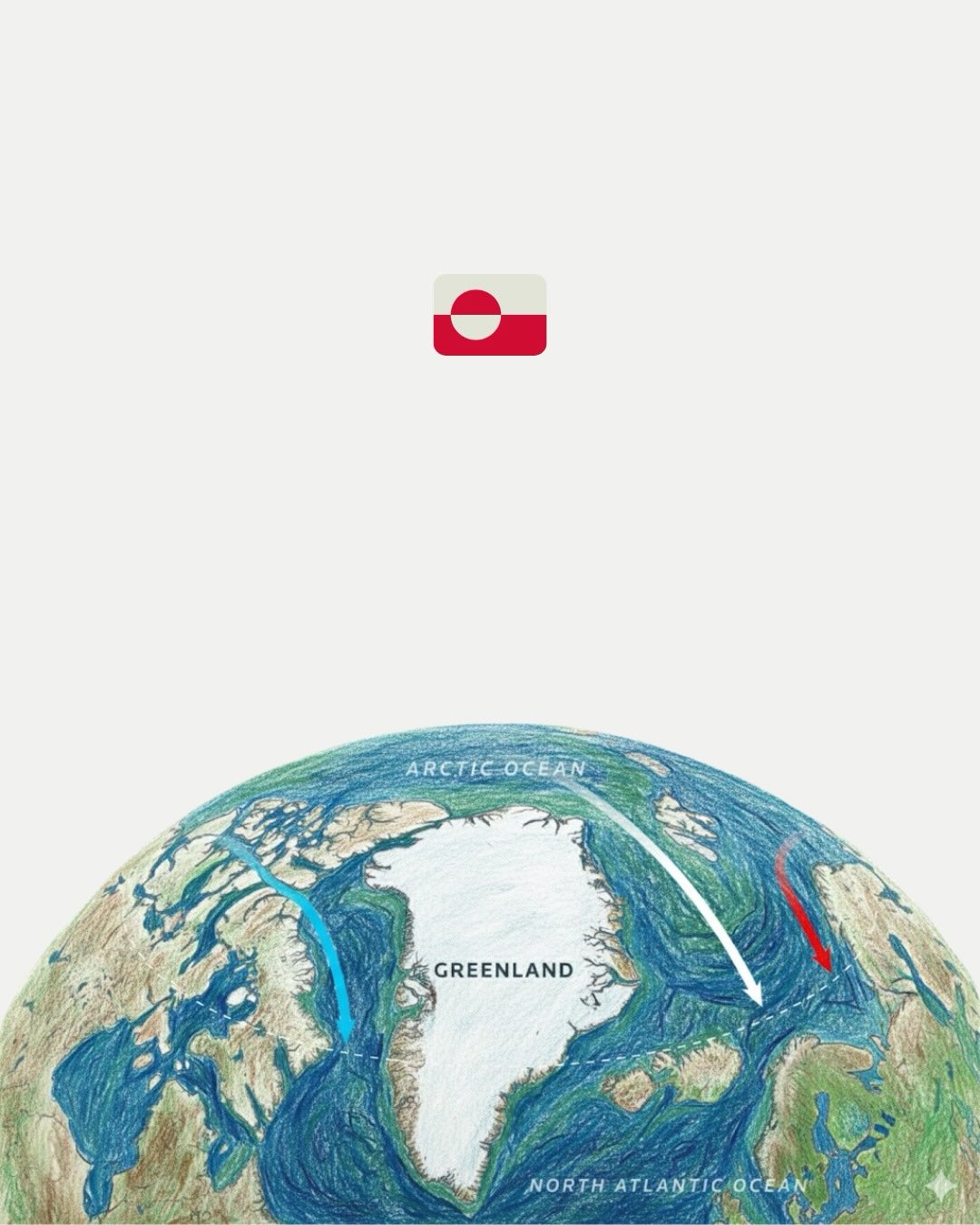
Geography changes that perception. Greenland sits between North America and Europe, bordering the Arctic Ocean and facing the North Atlantic. This position places it along key military paths. The shortest route for Russian ballistic missiles toward the United States runs across the Arctic and over Greenland.
The island also lies near emerging Arctic shipping routes, which are becoming more viable as ice melts. These routes could reshape global trade by shortening travel between Asia and Europe. Location, not population, gives Greenland strategic weight.
Donald Trump brings Greenland into the center of global politics. He publicly frames the island as a US national security priority. He links Greenland to early missile warning systems, Arctic military access, and future missile defense plans.
Under his narrative, Greenland becomes part of a broader effort to counter Russian and Chinese influence in the Arctic. This marks a shift from viewing Greenland as a partner territory to treating it as a strategic asset to be controlled.
This approach raises serious concerns. Using power to pressure allies undermines international norms. Threats of control ignore the wishes of Greenland’s people, who largely oppose foreign takeover.
Framing territorial claims as security needs sets a dangerous precedent. When strong countries justify expansion through force or coercion, trust erodes. Global stability depends on cooperation, not the normalization of power politics.


The Land of Unexpected Treasures

Land of the Khmer

The Emerald of the Equator

The Land of a Million Elephant

Land of Indigenous Malay

The Land of the Golden Pagoda

Pearl of the Orient Seas

The Lion City

Southeast Asia Region

The Land of Smiles

A Nation of the 21st Century

The Land of Blue Dragon

Beyond Southeast Asia