

Brunei Darussalam
The Land of Unexpected Treasures
Search
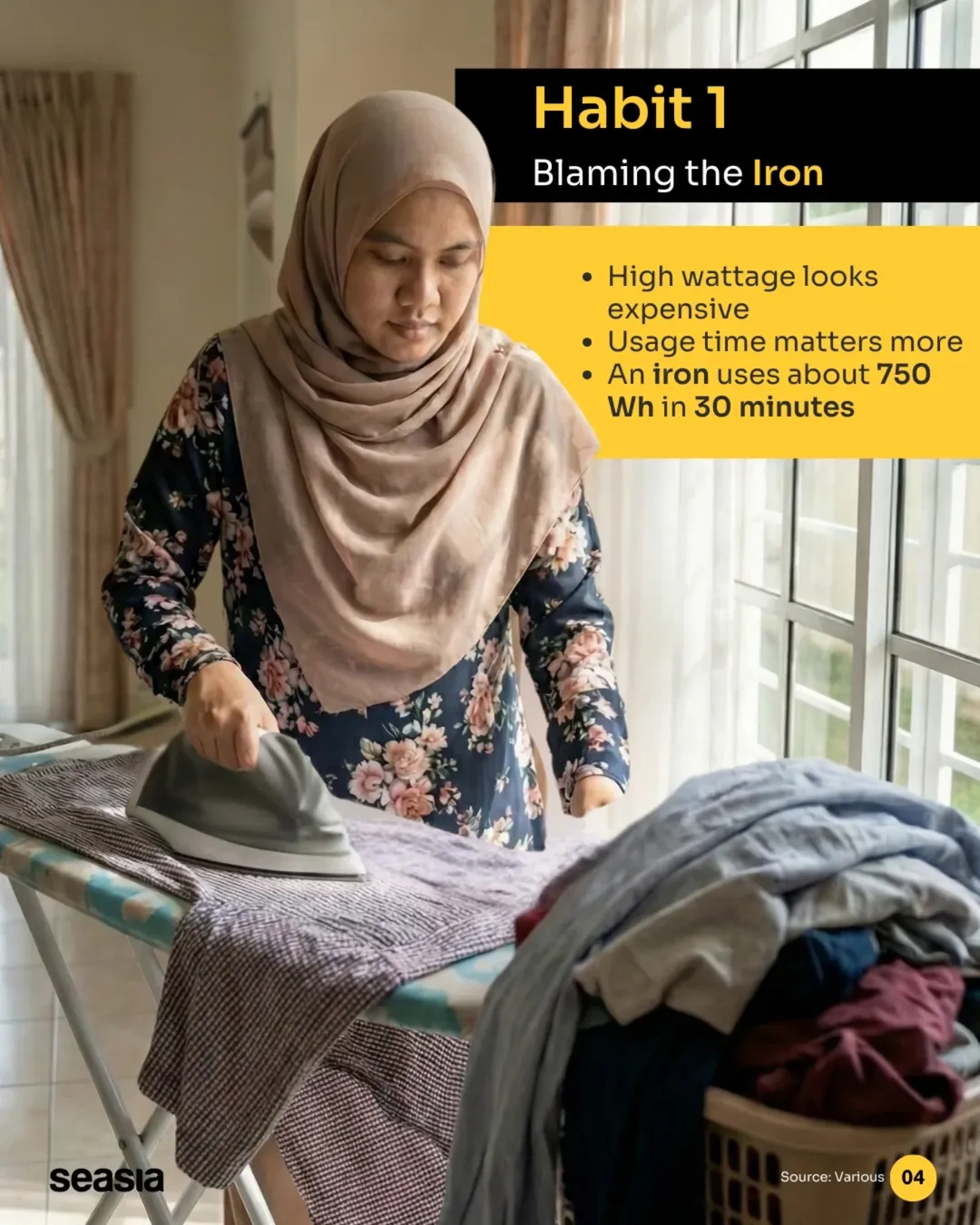
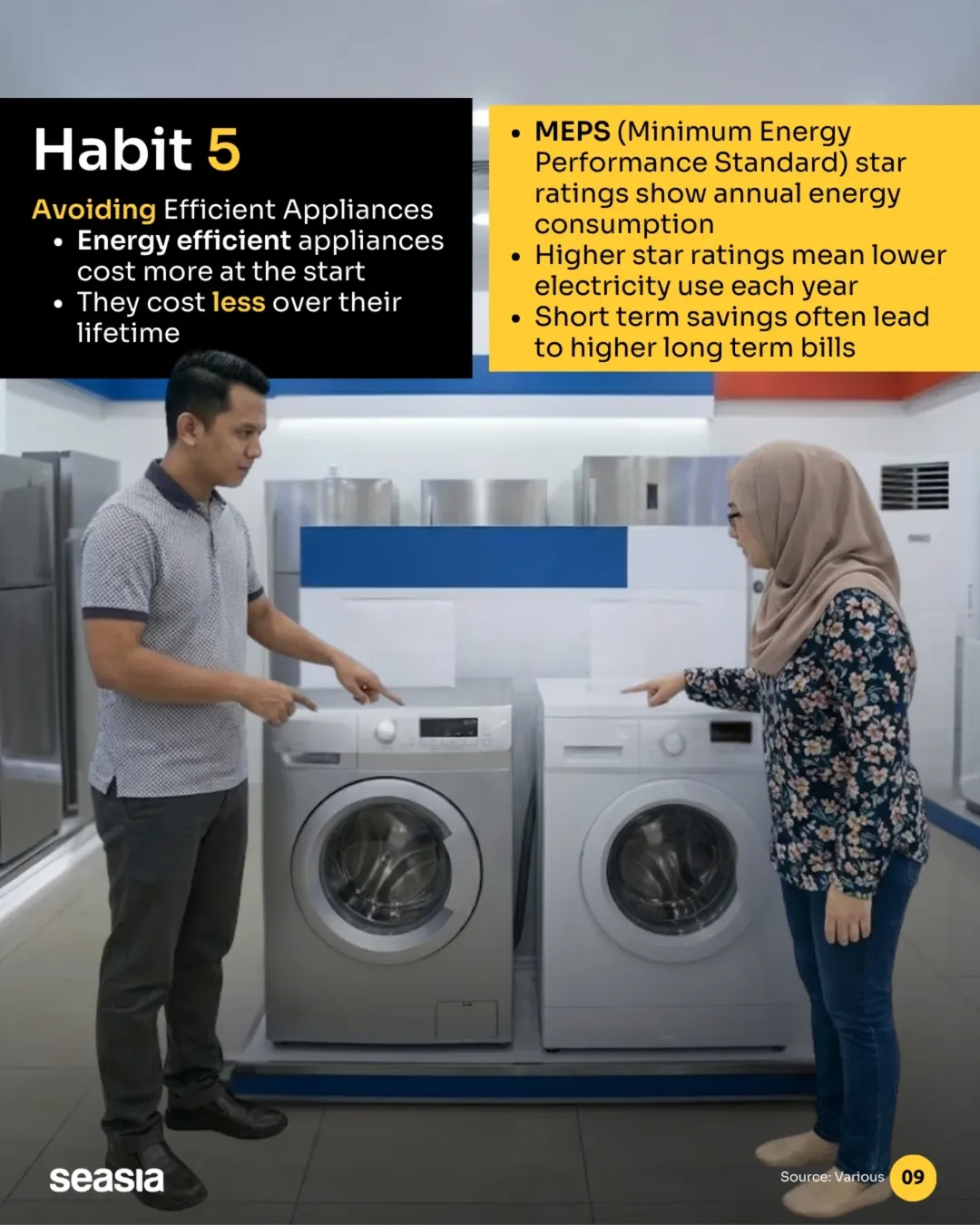

Many people often mistakenly blame high-wattage appliances for expensive electricity bills, but the real culprits are everyday habits related to continuous usage patterns, according to insights from the Malaysia Energy Label Programme (MELP), which promotes energy efficiency.
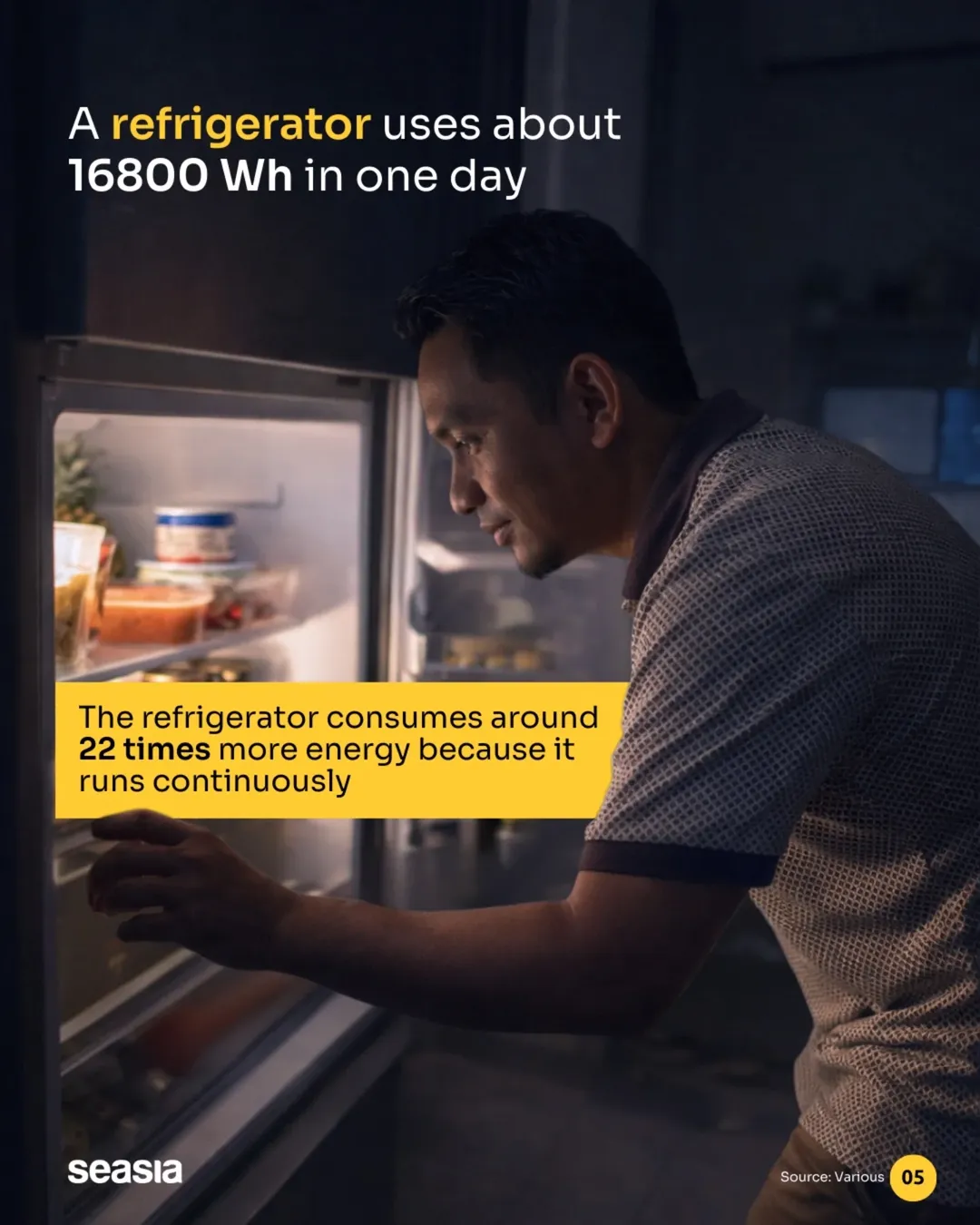
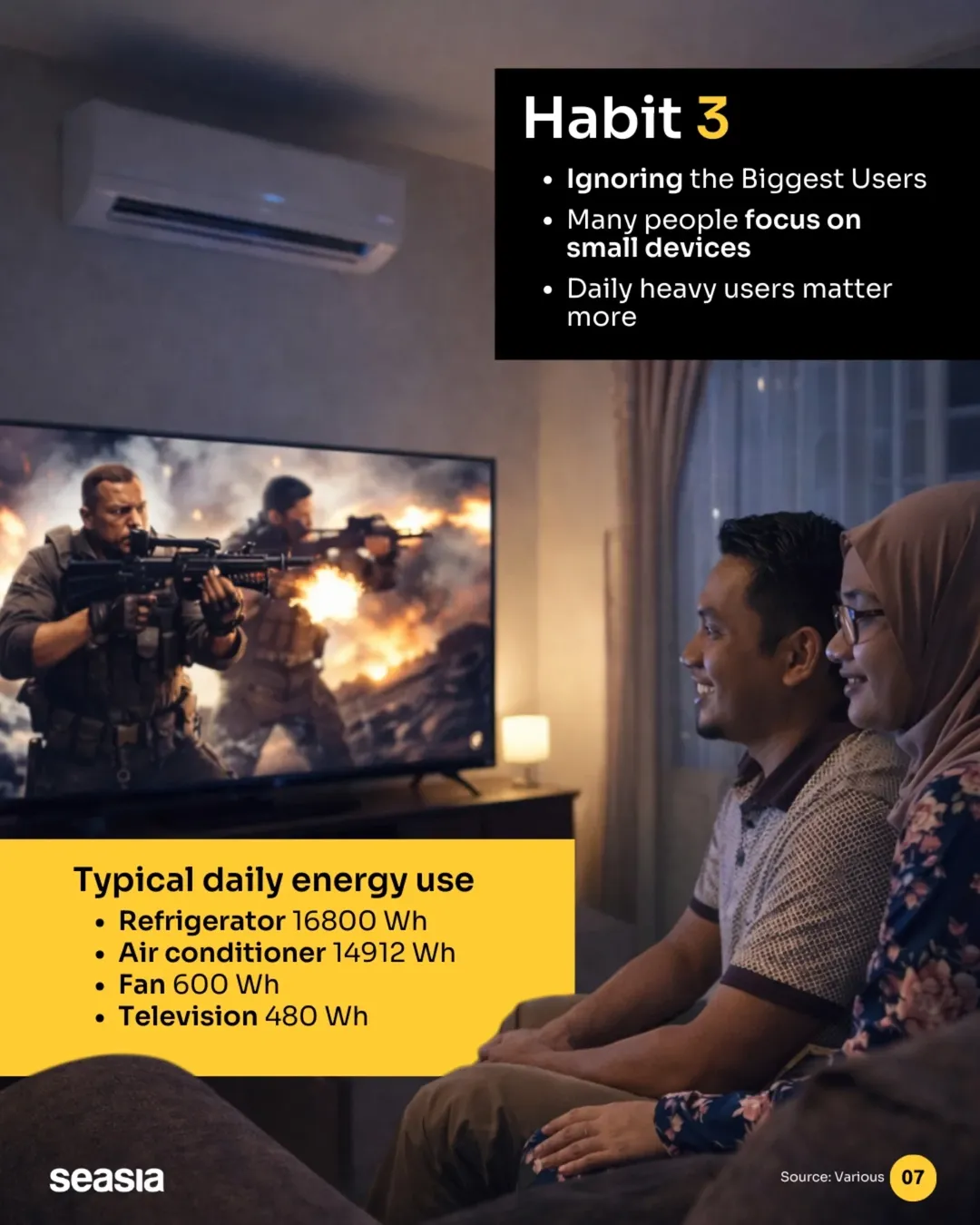
A common misconception is focusing on appliances like irons, which use 750 Wh in 30 minutes, while overlooking refrigerators that consume around 16,800 Wh daily—about 22 times more energy due to constant operation—and air conditioners that use 14,912 Wh per day, highlighting that how long an appliance runs is more important than its wattage.
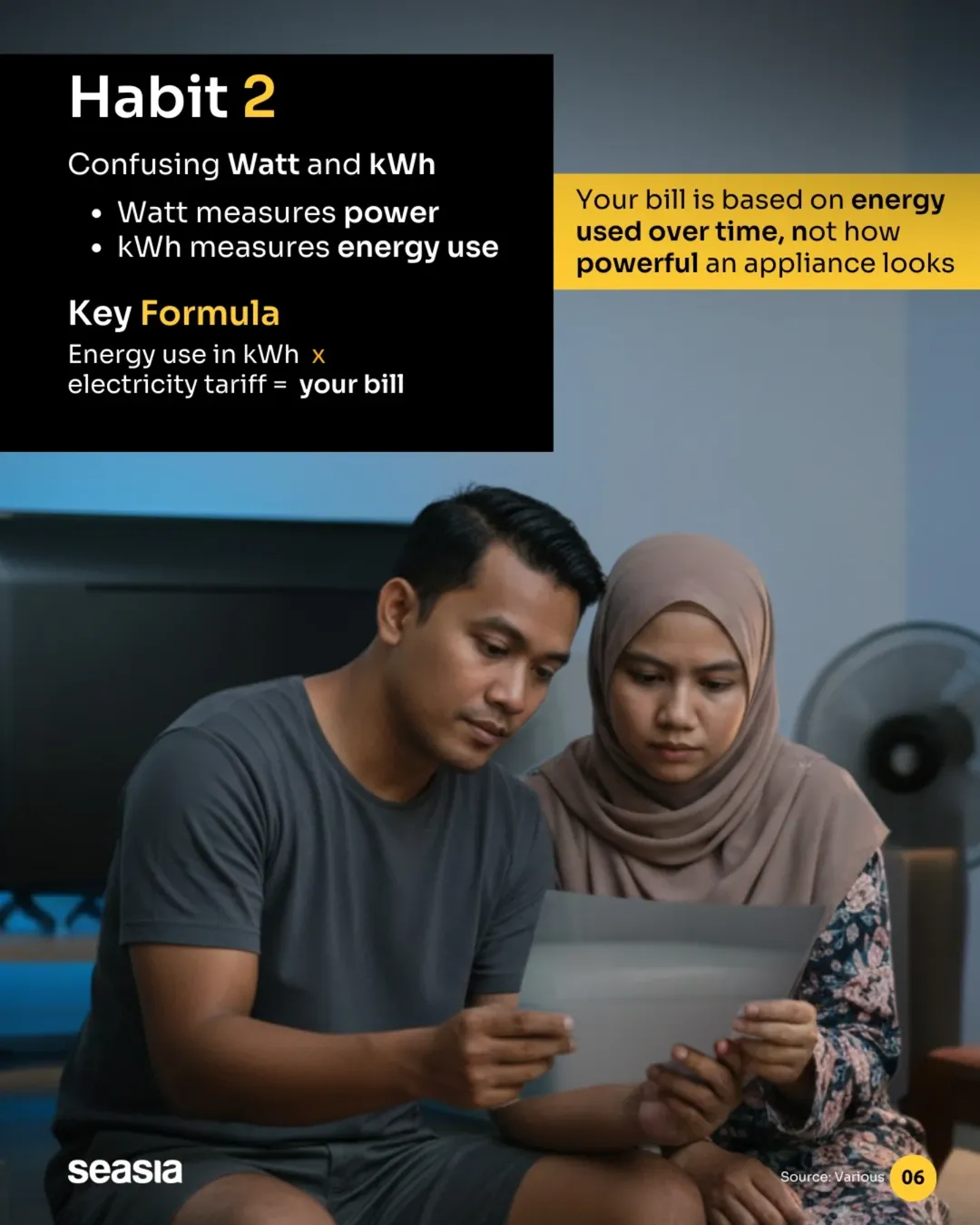
There is often confusion between watts (power) and kilowatt-hours (energy consumption), with many not realizing that electricity bills are calculated by multiplying the total energy used in kWh by the tariff rate, not just by an appliance's wattage.
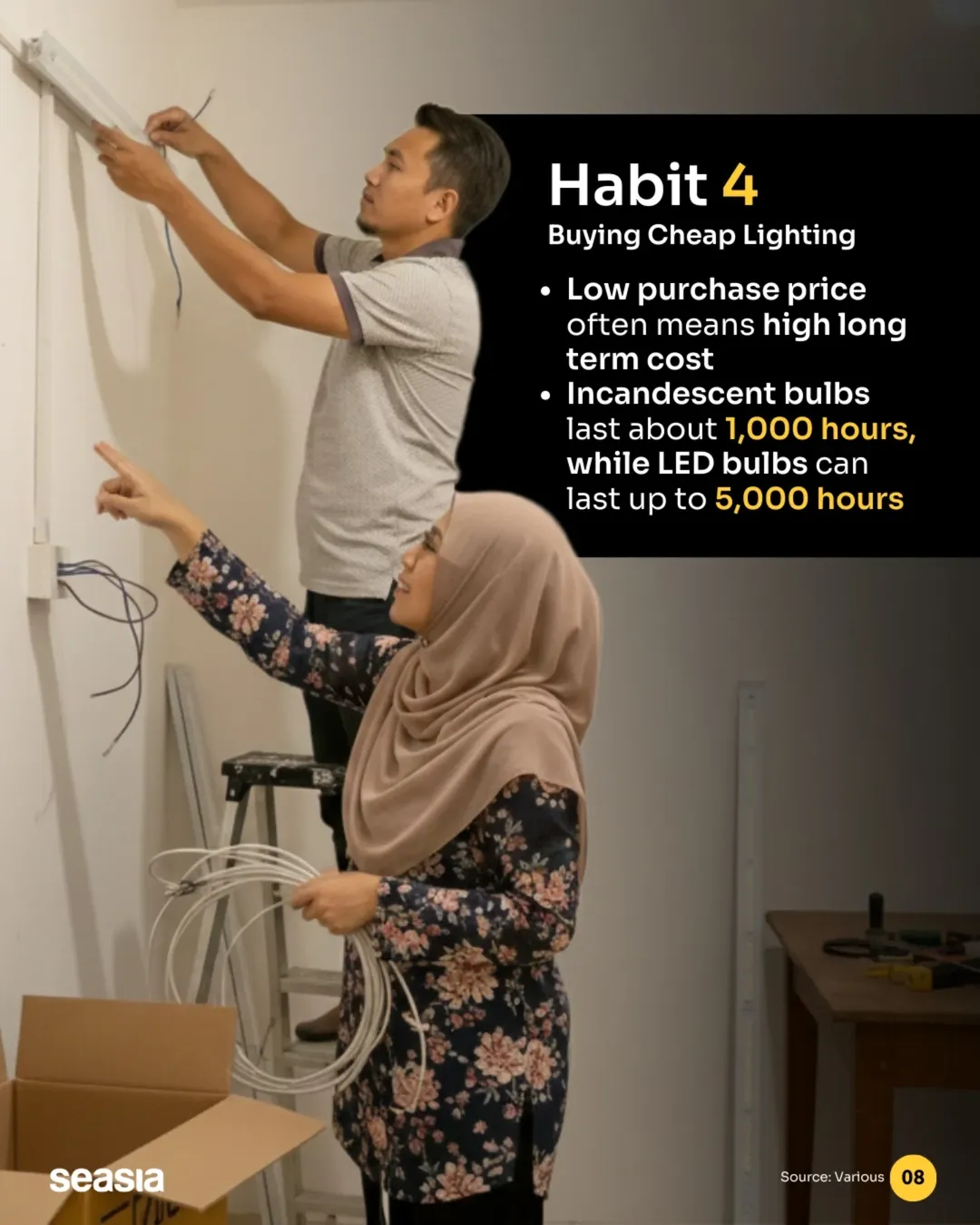
Lighting choices also make a significant difference in long-term costs, with incandescent bulbs, lasting about 1,000 hours, being much less efficient compared to LED bulbs, which last up to 50,000 hours and use up to 80% less electricity, proving that lower upfront costs can lead to higher costs over time.
To support better consumer choices, the Minimum Energy Performance Standard (MEPS) offers a star rating system showing the annual energy consumption of appliances. It helps identify more energy-efficient options that, despite being initially more expensive, result in long-term savings through reduced electricity use.


The Land of Unexpected Treasures

Land of the Khmer

The Emerald of the Equator

The Land of a Million Elephant

Land of Indigenous Malay

The Land of the Golden Pagoda

Pearl of the Orient Seas

The Lion City

Southeast Asia Region

The Land of Smiles

A Nation of the 21st Century

The Land of Blue Dragon

Beyond Southeast Asia