


If the durian is famously the "King of Fruits," then Indonesia has just unveiled a royal cousin with a softer, friendlier edge: the spikeless durian, known locally as Si Gundul or “the bald one.” This fascinating fruit, native to Lombok, West Nusa Tenggara, is not just a visual oddity — it’s a rare botanical breakthrough that blends genetic uniqueness, patience, and good old Indonesian quirkiness.
Discovered back in 2007 in a quiet corner of Dusun Trenggaluh, Desa Batu Mekar, this oddball durian was first mistaken for a sukun (breadfruit). With its smooth, bumpy skin and complete lack of menacing thorns, it looked like a durian trying to make friends. But make no mistake — crack it open, and you’ll still find the rich, creamy flesh that durian lovers crave.
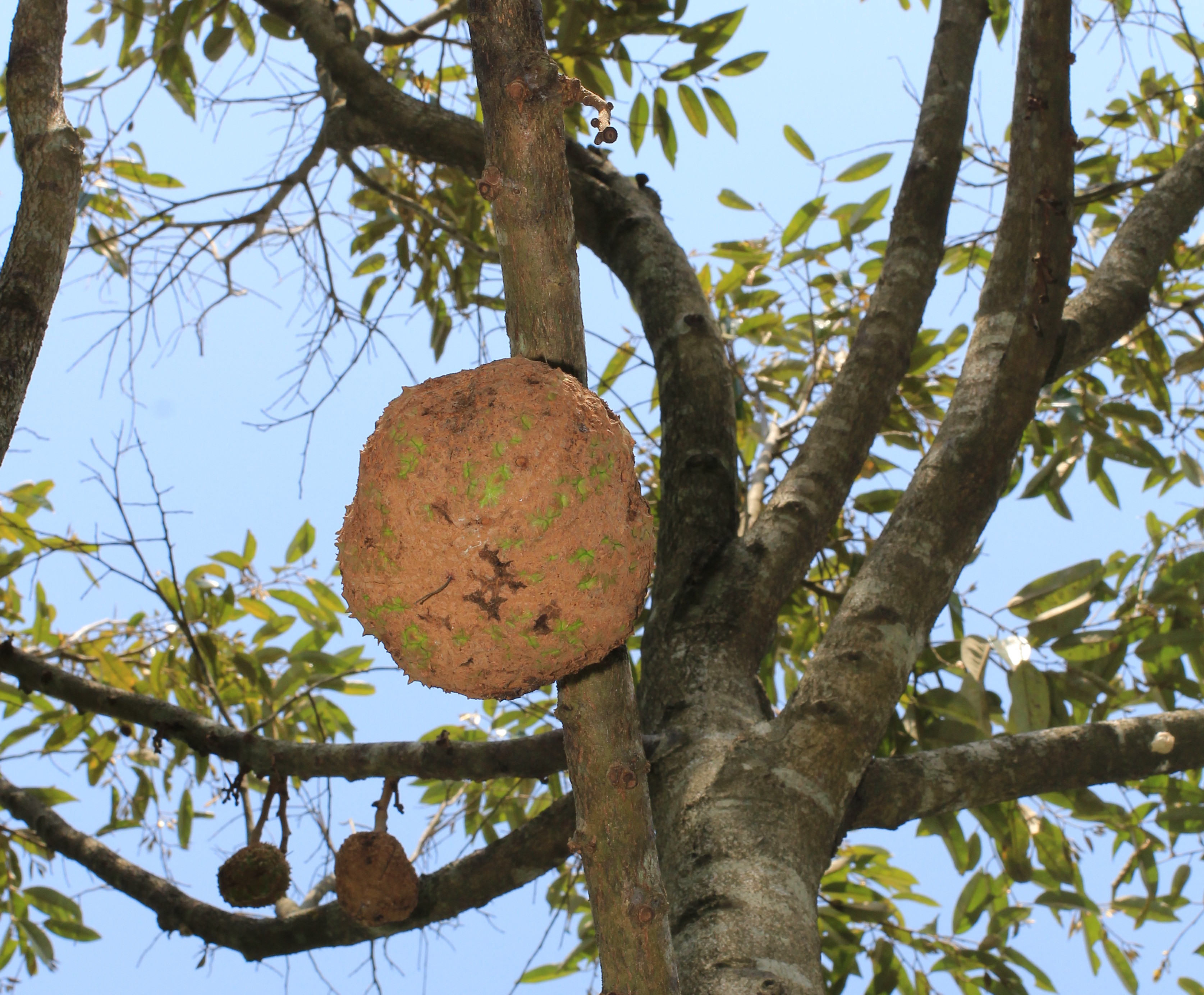
Photo: Fathul Rakhman/Mongabay Indonesia
The original Si Gundul tree was found by a local resident and eventually nurtured by the BPSBP NTB (Balai Pengawasan dan Sertifikasi Benih Pertanian). But here's the twist: this tree took a whopping 12 years to bear its first fruit! It finally did so in 2019, under the watchful eyes of agricultural experts and one very patient staff member named Maisin, who had been monitoring the tree since day one like it was a long-term investment in tropical flavor futures.
So what does it taste like? According to those lucky enough to sample it, Si Gundul has a sweet flavor with a subtle bitter edge, a creamy texture, and a slightly thinner flesh layer than typical durians. Some say it even carries hints of mango. It’s gentle enough to charm first-timers and unique enough to intrigue seasoned durian heads. Basically, if regular durian is the bold rockstar of fruits, Si Gundul is its soulful acoustic cousin.
But getting more of these fruits into the world? That’s the tricky part.
Despite attempts to propagate Si Gundul through grafting and replanting, it's still exceptionally rare. One of the key challenges lies in its reproductive biology — the male and female flowers don’t always play nicely, and the fruit itself has a thin skin, making it prone to cracking. As of now, the spikeless durian remains a local legend, not a mass-market product.
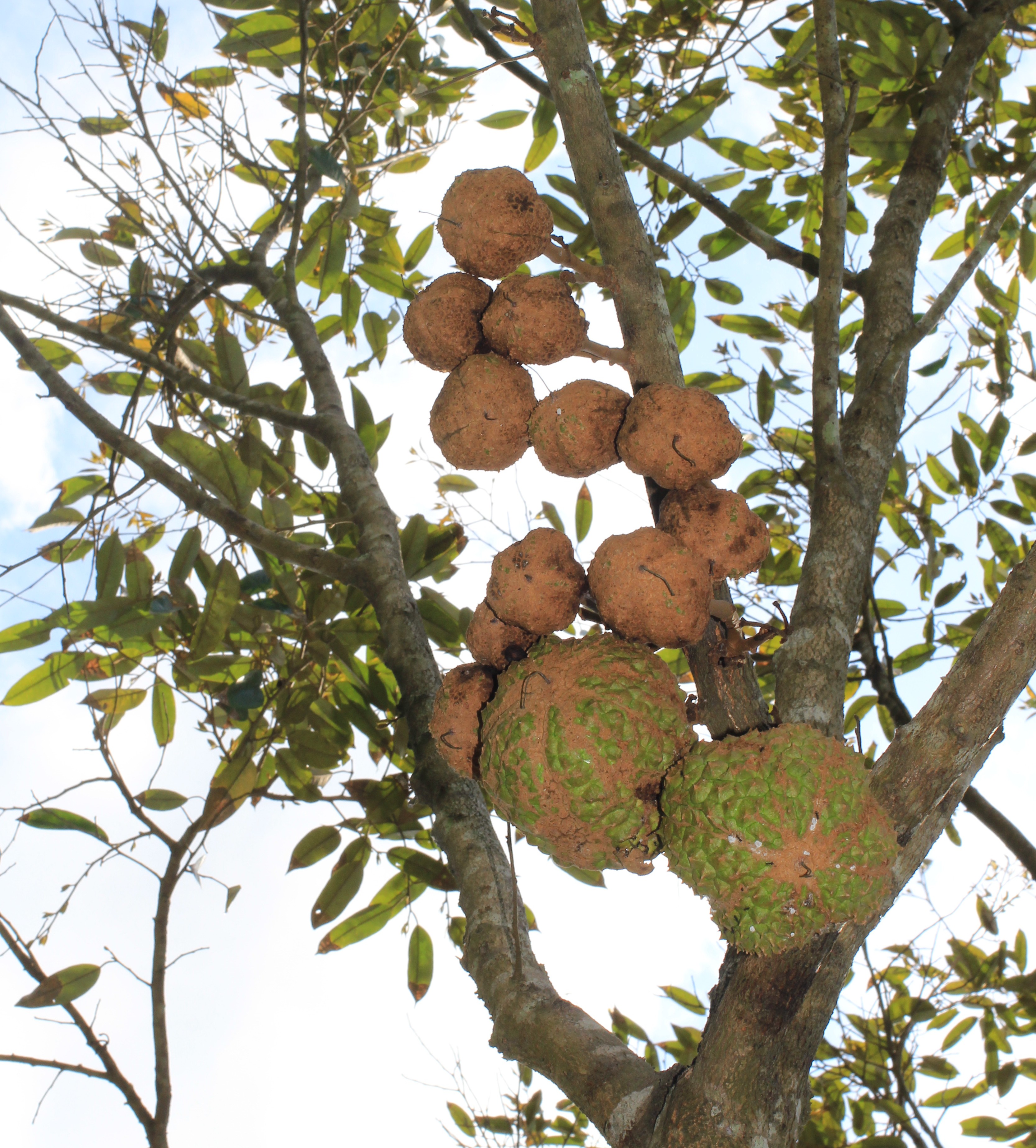
Photo: Fathul Rakhman/Mongabay Indonesia
Still, the Indonesian government officially registered Si Gundul in 2008 as a unique Lombok variety, and there’s growing hope that with the right agricultural push, it could become one of the region’s signature fruits. It’s safer to handle (no ninja gloves required), easier to transport, and might just be the gateway durian that converts skeptics abroad.
From its sleepy village origins to national recognition, Si Gundul is a beautiful reminder that nature still loves to surprise us — especially in Indonesia, where every island seems to hold a botanical plot twist. So if you’re ever in Lombok and someone offers you a “durian tanpa duri” (durian without spikes), don’t walk — run. It’s not every day you get to taste a legend with smooth skin and a sharp reputation.


