

Happy 100th birthday, Tun Dr. Mahathir Mohamad. Reaching a century is an extraordinary feat, but what is even more remarkable is maintaining influence and relevance amid the changing tides of time.
On 10 July 2025, the man who has been both a witness and a central figure in the political stage of Malaysia and Southeast Asia officially turns 100 and remains actively engaged in expressing his views and advocating for the national vision he believes in.
From Village Doctor to a Regional Political Symbol
Born in Alor Setar, Kedah, on 10 July 1925, Mahathir was raised in a modest family. His father, Mohamad bin Iskandar, was of Malay-Indian descent from Penang, while his mother, Wan Tempawan binti Wan Hanapi, came from Kedah.
Unlike several other Malaysian leaders who were born into elite families, Mahathir showed remarkable perseverance from a young age.
He became the first Malay to open a private medical clinic in his hometown. His experience as a doctor provided him with deep insight into the people’s everyday struggles, serving as a foundation for his entry into politics.
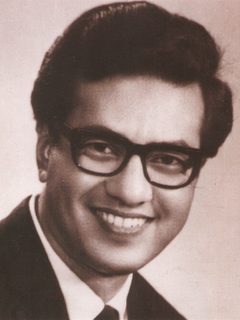
His political career began during the final years of the Japanese occupation, when he participated in protests opposing the granting of citizenship to non-Malay residents in British Malaya.
A Prime Minister Across Two Generations
Mahathir first assumed the role of Malaysia’s Prime Minister in 1981 at the age of 56. During his 22-year tenure, he initiated a series of transformative development policies such as Vision 2020, massive industrialisation, and the creation of Proton, Malaysia’s national car.
He was also behind landmark mega-projects including the Petronas Twin Towers and the administrative capital of Putrajaya.
While often criticised for his authoritarian approach, many recognise his contribution to Malaysia’s modernisation and national confidence. He did not hesitate to criticise the West, even calling for a boycott of the UK over rising tuition fees.
His sharp critiques of the United States, including President George W. Bush’s invasion of Iraq, did not damage diplomatic ties. On the contrary, they strengthened his image as a bold and principled leader.
In 2018, Mahathir shocked the world once more by returning to office at the age of 92, winning the general election and becoming Malaysia’s 7th Prime Minister.
He earned the title of the world’s oldest sitting head of government. Though his second term lasted only two years, it demonstrated his exceptional adaptability during an era of reform and political coalitions.
Legacy, Lifestyle, and Controversy
Mahathir’s legacy is not without controversy. He has been praised for his firmness in nation-building, yet also criticised for suppressing civil liberties and concentrating executive power.
Nonetheless, his role in shaping modern Malaysia cannot be ignored. He also played a significant role in ASEAN’s direction, particularly in addressing issues of sovereignty and foreign dependence.
Notably, Mahathir is known for his strict discipline. Even at the age of 100, he remains mentally active, reading and writing daily. He firmly believes that both the mind and body must remain in use to stay healthy.
His diet is simple, a slice of toast, some fruit, and coffee for breakfast, while avoiding rice and fresh fish. He prefers salads, and he dislikes receiving birthday gifts out of concern for insincerity in the giver’s intentions.
A Century of Reflection
In many Asian cultures, turning 100 is a symbol of longevity, wisdom, and the highest honour. Amid a rapidly changing world, Tun Mahathir stands as a beacon of consistency and courage in making difficult decisions.
From a global perspective, Mahathir is among the very few world leaders whose influence spans multiple generations. He helped build a confident Malaysian generation, promoted a more independent ASEAN regionalism, and offered important lessons about preserving national identity in an age of globalisation.
A hundred years is not just a number, it is a testament to how one life can shape a nation’s future.
Happy birthday, Tun. Your story is not merely written in history books, but lives on in the memory and inspiration of millions across Southeast Asia.



