


Diplomatic relations between countries often reflect political trust, strategic interests, and historical developments.
While Iran maintains diplomatic ties with many nations around the world, several countries currently do not maintain formal diplomatic relations with Tehran.
1. United States

The United States and Iran have not had formal diplomatic relations since 1980. The rupture occurred following the Iranian Revolution of 1979.
The Islamic Revolution transformed Iran from a monarchy allied with Washington into an Islamic republic strongly opposed to American influence in the region.
The crisis deepened when Iranian students seized the U.S. Embassy in Tehran and held more than fifty American diplomats and citizens hostage for over a year.
Since then, relations between the two countries have remained tense. The United States closed its embassy in Tehran, and Iran has not had an embassy in Washington.
Instead, diplomatic interests are handled indirectly through intermediary countries. For example, Pakistan has often represented Iranian interests in the United States.
Over the decades, tensions have persisted due to disagreements over issues such as Iran’s nuclear program, regional security policies, and sanctions imposed by the United States.
Despite occasional negotiations, including talks related to nuclear agreements, full diplomatic relations have not been restored.
2. Israel

Iran and Israel also do not maintain diplomatic relations, largely due to deep political and ideological differences.
Before the 1979 Iranian Revolution, Iran had diplomatic ties with Israel and maintained a relatively cooperative relationship. However, the revolution dramatically changed Iran’s foreign policy stance toward Israel.
Following the establishment of the Islamic Republic, Iran adopted a strongly anti-Israel position and ceased recognizing the Israeli state.
Diplomatic ties were cut, and since then relations have been characterized by hostility and mutual distrust. The conflict between the two countries is tied to broader geopolitical issues in the Middle East.
Iran has often criticized Israel’s policies toward Palestinians, while Israel views Iran’s regional influence and military capabilities as a major security threat. These factors have prevented any normalization of relations between the two countries.
3. Canada
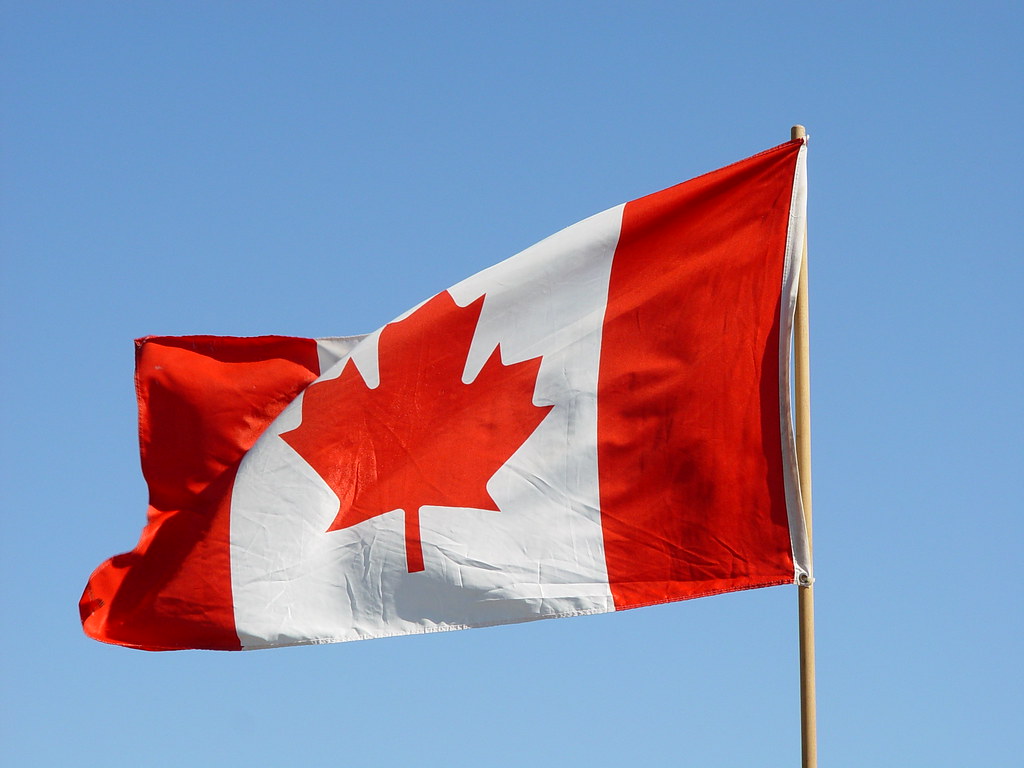
Canada once maintained diplomatic relations with Iran, but the relationship deteriorated significantly during the early twenty-first century.
In 2012, the Canadian government officially severed diplomatic ties with Tehran, citing concerns over Iran’s nuclear program, its human rights record, and its stance toward Israel.
Following the decision, Canada closed its embassy in Tehran and expelled Iranian diplomats from Ottawa.
Since then, the two countries have not restored formal diplomatic relations. Consular matters and communication between the two governments are handled through indirect channels.
Despite the absence of formal ties, discussions about possible diplomatic engagement have occasionally emerged in Canadian political discourse. However, major political disagreements and security concerns have continued to prevent the reopening of embassies.
4. Bahrain

Bahrain’s relationship with Iran has long been shaped by regional political tensions in the Persian Gulf. Although the two countries previously maintained diplomatic ties, relations have frequently been strained by disputes over regional influence and internal political issues.
Bahrain has accused Iran of interfering in its domestic affairs and supporting political unrest within the kingdom. These accusations have contributed to repeated diplomatic confrontations and the eventual suspension of full diplomatic engagement.
The geopolitical rivalry between Iran and several Gulf states has also played a role in the breakdown of relations.
Bahrain, which maintains close security cooperation with other Gulf Cooperation Council members and Western allies, has often aligned itself with regional policies that oppose Iran’s influence in the Middle East.
As a result, diplomatic channels between Bahrain and Iran remain limited, reflecting broader regional tensions.
5. Morocco

Morocco is another country that currently does not maintain diplomatic relations with Iran. The relationship between Rabat and Tehran has been interrupted several times over the years due to political disagreements and regional disputes.
One major break occurred in 2009, when Morocco severed relations after comments by an Iranian official suggesting that Bahrain historically belonged to Iran.
Morocco viewed the statement as interference in regional affairs and an attempt to influence religious dynamics in the region.
Relations deteriorated again in 2018 when Morocco accused Iran of supporting the Polisario Front, a movement involved in the conflict over Western Sahara.
Moroccan authorities claimed that Iranian support was provided through allied regional groups, prompting Rabat to cut diplomatic ties once more.
Since then, diplomatic relations between Morocco and Iran have not been restored. The dispute reflects broader geopolitical divisions involving regional alliances, security concerns, and political influence.
6. Albania

Albania is one of the countries that currently does not maintain diplomatic relations with Iran. The relationship between the two nations deteriorated significantly in recent years, eventually leading to a complete diplomatic rupture in 2022.
The Albanian government officially severed ties with Iran after accusing Tehran of being responsible for a major cyberattack targeting Albania’s government digital infrastructure.
The attack reportedly disrupted public services and government websites, prompting a strong response from Tirana.
Following the investigation, Albania ordered all Iranian embassy staff and diplomats to leave the country within twenty-four hours.
The decision was described by Albanian authorities as a necessary measure to protect national security and respond to what they called state sponsored cyber aggression.
Relations between the two countries had already been strained for years before the incident. One major source of tension was Albania’s decision to host thousands of Iranian dissidents from the opposition group Mujahedin-e Khalq.
The group opposes the Iranian government and operates from a base in Albania, which Tehran strongly criticizes.
As a result of these political disputes and security concerns, Albania and Iran currently have no formal diplomatic relations.


