


The Anglo-Zanzibar War is the shortest recorded military conflict in world history. Though it lasted only around 38 minutes on August 27, 1896, the war holds a complex and dramatic story—one that reflects the political tension between European colonial powers and local rulers in East Africa.
Background: Tensions Behind the Throne of Zanzibar
Zanzibar, a beautiful archipelago now part of modern-day Tanzania, was once a vital trading hub in the Indian Ocean. By the late 19th century, it had become the subject of rivalry between two major European powers: Britain and Germany.
Under the Heligoland-Zanzibar Treaty of 1890, Zanzibar was officially declared a British protectorate, though it retained its local sultanate system.
As part of the agreement, Britain held the right to approve any new Sultan of Zanzibar. But tensions flared when Sultan Hamad bin Thuwaini, a pro-British ruler, died suddenly on August 25, 1896.
Without delay, his cousin Khalid bin Barghash claimed the throne and occupied the royal palace—without British approval. His unilateral move was seen as a direct violation of the treaty.
An Ultimatum That Triggered War
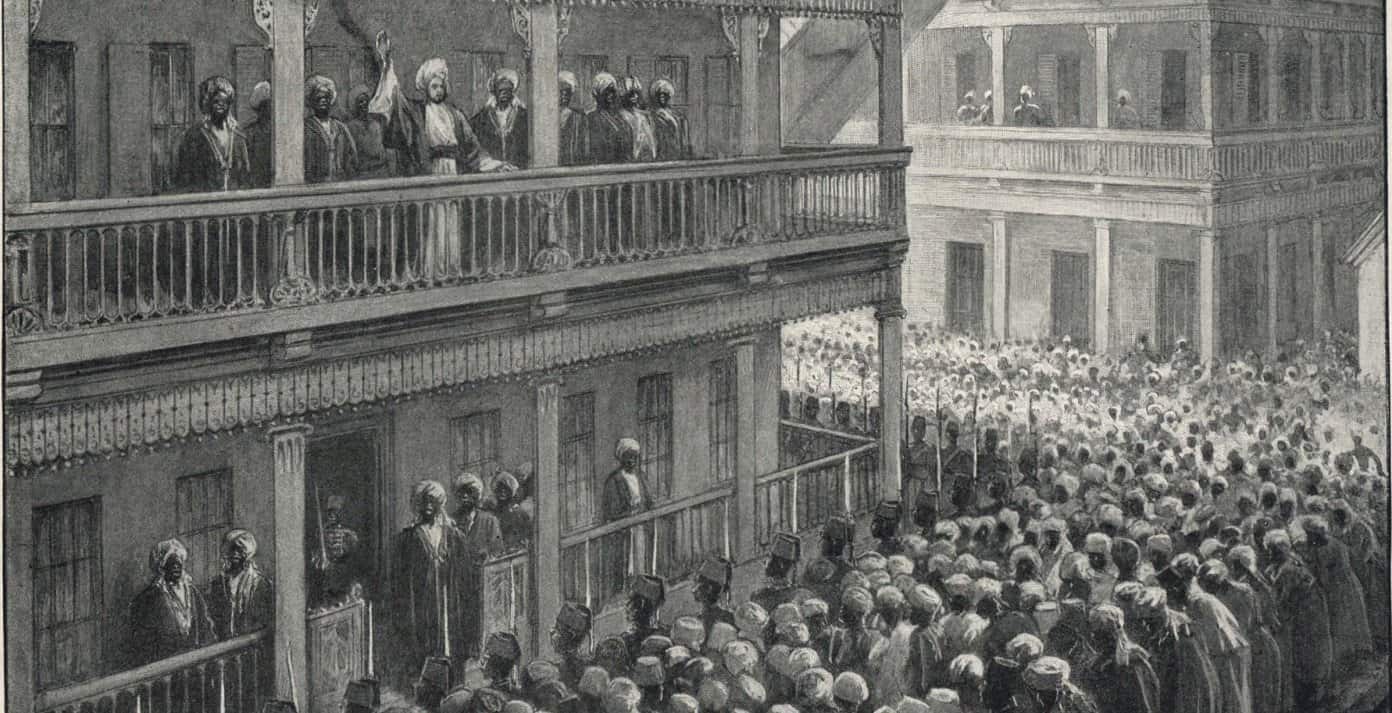
The British did not remain idle. Basil Cave, the British consul in Zanzibar, immediately issued an ultimatum to Khalid: step down by 9:00 a.m. on August 27, or face the consequences. Confident that the British would not dare to launch an attack, Khalid refused to comply.
Instead, he fortified his position. He gathered around 3,000 supporters, including soldiers, civilians, and even slaves, and armed them—mostly with artillery that had been diplomatic gifts to previous sultans. He also deployed the lightly armed royal yacht "Glasgow" in the harbor as a symbolic act of defiance.
The Course of the Anglo-Zanzibar War
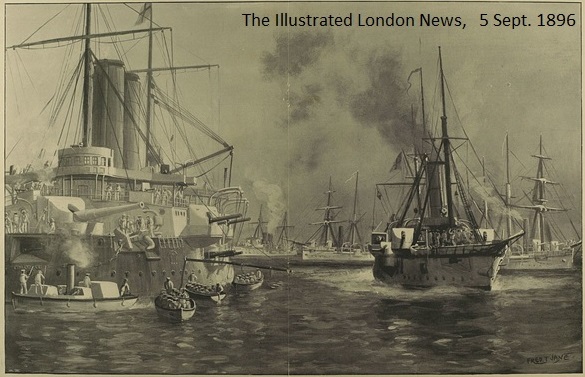
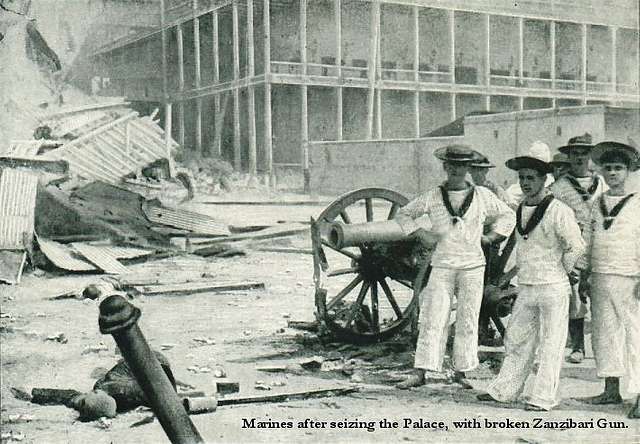
At exactly 9:00 a.m. on August 27, 1896, the British ultimatum expired. Two minutes later, British warships—HMS Racoon, HMS Thrush, and HMS Sparrow—began bombarding the Sultan's palace. Within minutes, a hail of bullets and shells reduced the wooden structure to rubble.
However, Khalid fled just two minutes after the shelling began, abandoning his followers amid the chaos. He sought refuge at the German Consulate and was successfully smuggled out to Dar es Salaam (in present-day Tanzania). Although the royal yacht Glasgow returned fire, it was vastly outgunned by the British fleet and was quickly neutralized.
In just about 38 minutes, all resistance was crushed. It is estimated that over 500 Zanzibaris were killed or wounded, most due to collapsing buildings and artillery blasts. On the British side, only one sailor was seriously injured.
Immediate Impact and Consequences
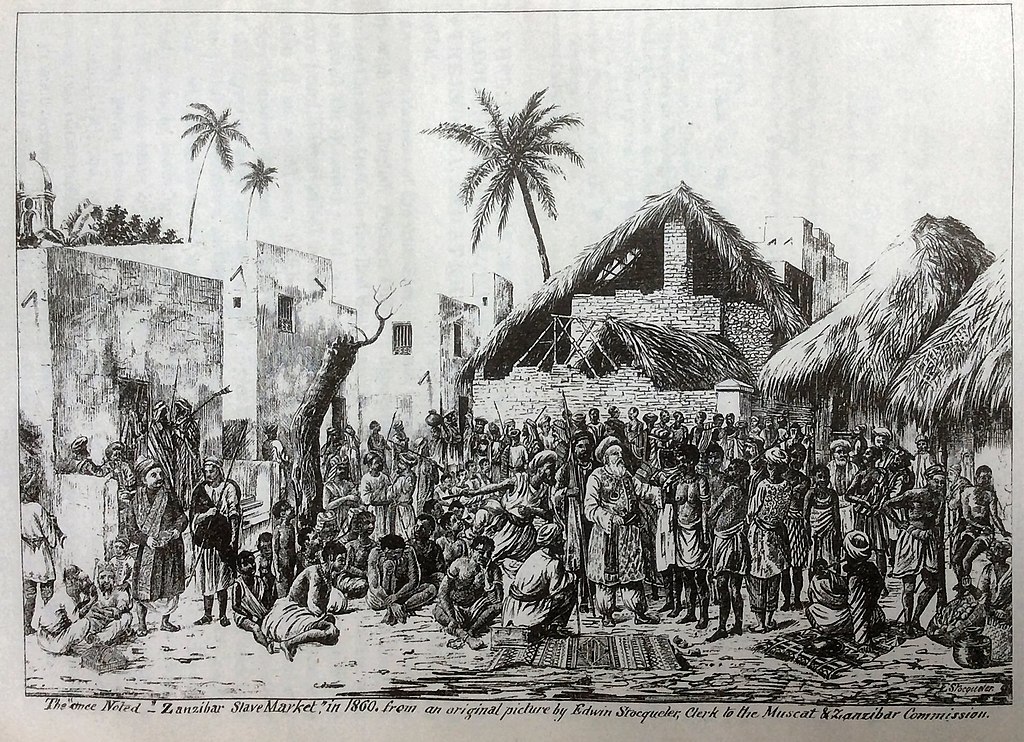
Immediately after Khalid’s defeat, the British installed Hamoud bin Mohammed as the new Sultan. Hamoud was seen as more cooperative and quickly agreed to all British demands, including the abolition of the slave trade—a key goal of British colonial policy in the region.
Thus, the Anglo-Zanzibar War became a clear demonstration of European colonial dominance, and of how swiftly and brutally gunboat diplomacy could be enforced when interests were at stake.
Why Was the War So Short?
A common question is: "Why did the Anglo-Zanzibar War last such a short time?"
The answer lies in the extreme imbalance of military power. The British deployed five modern warships, while Khalid relied on light artillery and a palace never designed to withstand naval bombardment.
Zanzibar’s forces lacked real military experience, had poor logistical preparation, and falsely believed that Britain would not attack. These factors quickly led to the collapse of resistance. Even Khalid’s palace—his command center—was completely unfit for large-scale defense.
After the War: The End of Local Sovereignty
Though brief, the Anglo-Zanzibar War marked the end of real sovereignty for the Sultanate of Zanzibar. Subsequent sultans held only symbolic power, with all major decisions controlled by the British. Zanzibar became, in effect, a colonial territory under the guise of a protectorate.
Khalid lived the rest of his life in exile. He was captured by the British during World War I and exiled to Saint Helena, before eventually being allowed to return to East Africa. He died in Mombasa in 1927.
Zanzibar remained under British influence until it gained independence on December 10, 1963. However, just a month later, the sultanate was overthrown and replaced by the People’s Republic of Zanzibar. Shortly afterward, in 1964, it united with Tanganyika to form the country we know today as Tanzania.


