


Sadly, many remarkable artifacts and sites around the world have vanished, leaving behind questions, legends, and mysteries that captivate archaeologists, historians, and the public alike.
These lost treasures are not only valuable in material terms but also in their cultural, religious, and historical significance.
From stolen masterpieces to mythical relics, the stories of these missing artifacts continue to inspire search efforts and fuel countless theories. Below are some of the most famous lost artifacts from around the world, each with its own story and legacy.
The Ark of the Covenant
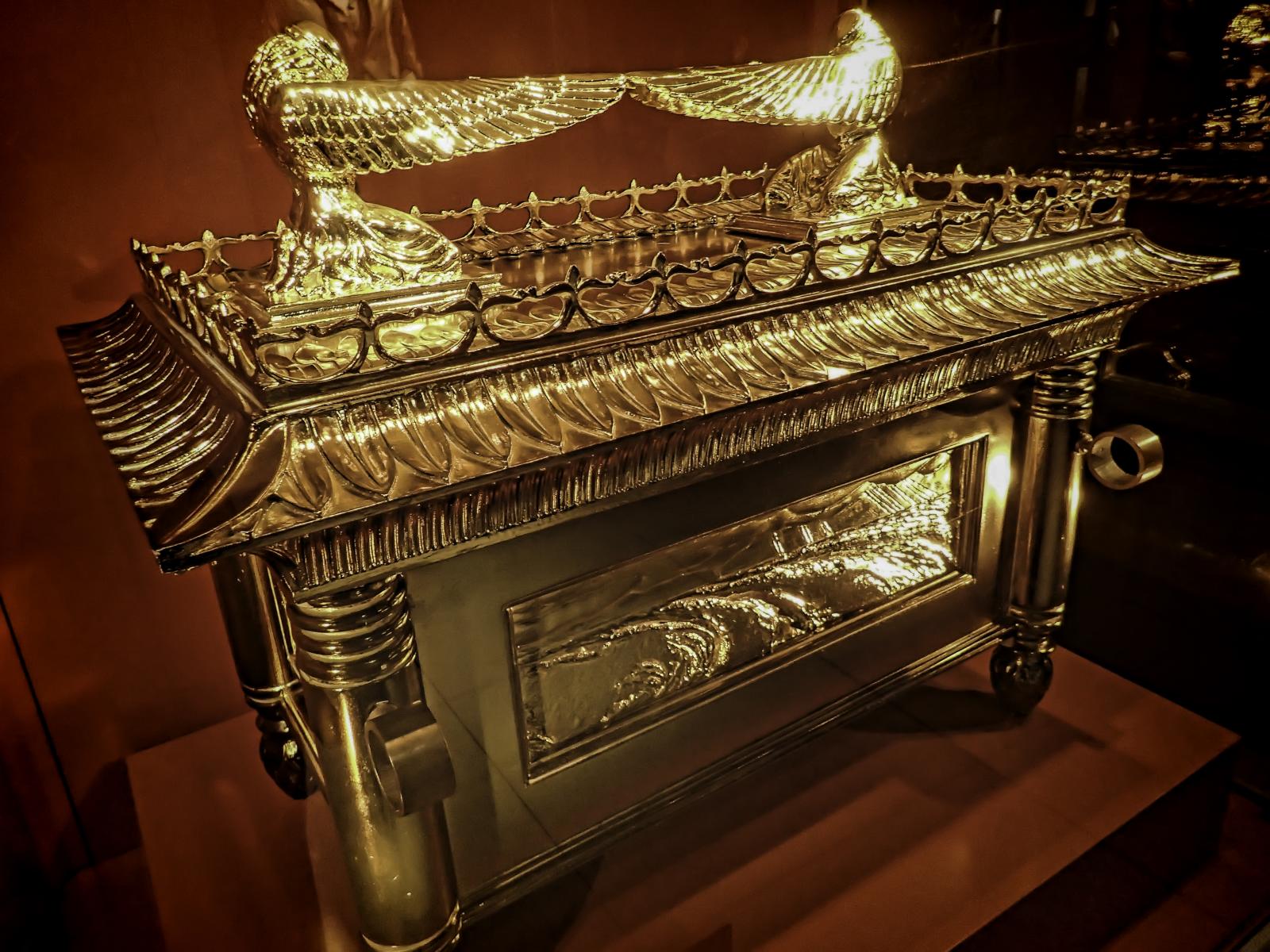
Perhaps the most legendary of all lost religious artifacts, the Ark of the Covenant is believed to have housed the stone tablets inscribed with the Ten Commandments.
According to the Bible, it was constructed under the guidance of Moses and carried by the Israelites during their exodus from Egypt.
The Ark was said to possess divine powers and was kept in the inner sanctuary of the First Temple in Jerusalem. Its disappearance following the Babylonian conquest of Jerusalem in the 6th century BCE remains one of history’s most enduring mysteries.
Despite numerous claims, ranging from secret Ethiopian monasteries to hidden chambers beneath Jerusalem, no credible evidence of its existence has ever surfaced.
The Shroud of Jesus

The Shroud of Jesus, believed by some to be the burial cloth that covered Christ after the crucifixion, remains shrouded in mystery. The most famous candidate is the Shroud of Turin, kept in Italy, which bears the faint image of a crucified man.
While many regard it as a sacred relic, scientific analysis and carbon dating suggest it may date to the medieval period, casting doubt on its authenticity.
The original burial cloth described in the Bible has never been definitively identified or found. Its disappearance is likely due to centuries of conflict, looting, and the fragile nature of ancient textiles.
The Tomb of Genghis Khan

The tomb of Genghis Khan remains undiscovered due to deliberate secrecy and cultural reverence. After his death in 1227, his burial site was kept hidden by killing witnesses and possibly disguising the area with planted trees or diverted rivers.
Mongol tradition discouraged disturbing the dead, further preserving the mystery. The likely location, in Mongolia’s remote Khentii Mountains, is vast and difficult to access, with little written record to guide researchers.
Despite modern technology and exploration efforts, no definitive trace has been found. The combination of secrecy, rugged terrain, and deep respect for tradition has kept the tomb hidden for centuries.
The Tomb of Alexander the Great

The tomb of another great conqueror, Alexander the Great, has never been found due to centuries of political turmoil, lost records, and conflicting historical accounts. After his death in 323 BCE, his body was reportedly buried in Alexandria, Egypt, a city he founded.
His tomb became a site of pilgrimage, but its exact location faded over time due to natural disasters, wars, and urban development. Some sources suggest it was moved or looted, while others believe it lies buried beneath modern Alexandria.
Despite numerous excavations and theories, no definitive evidence has surfaced, leaving one of history’s greatest leaders resting in mystery.
The Amber Room

Once called the “Eighth Wonder of the World,” the Amber Room was a breathtaking chamber decorated entirely in amber panels, gold leaf, and mirrors.
Originally a gift from Prussia to Peter the Great of Russia in the 18th century, it was installed in the Catherine Palace near St. Petersburg.
During World War II, Nazi forces looted the Amber Room and transported it to Königsberg (now Kaliningrad, Russia). As the war ended and the city was heavily bombed, the Amber Room vanished without a trace.
Despite decades of investigation and speculation, including alleged sightings and clues hidden in Nazi diaries, the original panels have never been recovered.
The Scepter of Dagobert

This French royal scepter, dating from the 7th century, was considered one of the oldest pieces of regalia in France. It belonged to Dagobert I, one of the earliest kings of the Merovingian dynasty, and was kept in the Basilica of Saint-Denis, which housed French royal treasures.
In 1795, during the French Revolution, the scepter mysteriously disappeared along with several other royal artifacts.
Some believe it was stolen and melted down for its gold; others suggest it may have been secretly hidden. Its loss marked a significant blow to French royal heritage, and it has never resurfaced.
The Florentine Diamond

The Florentine Diamond was a spectacular yellow diamond of approximately 137 carats, with a complex history tracing through European nobility. Once part of the Medici treasure, it passed into the Habsburg crown jewels and was worn by Empress Maria Theresa of Austria.
After World War I and the fall of the Austro-Hungarian Empire, the diamond disappeared. Some reports suggest it was smuggled to South America or recut and sold.
Despite several claims of its rediscovery, no authenticated sighting has ever occurred. It remains one of the most enigmatic missing gemstones in history.


