When it comes to Vietnam tourism, places like Hanoi, Ha Long Bay, or Ho Chi Minh City are already well-known as hotspots among foreigners. But, somewhere in the North of Vietnam, there’s a mind blowing Swiss-like mountain scapes waiting to be discovered. That underrated destination is Sapa City, also nicknamed “the Tonkinese Alps”.
Sapa’s striking mountain and terraced rice field scenery offers a laid-back atmosphere, making it the perfect escape route from the crowded city life. For those longing for an off-the-beaten-path adventure in Vietnam, Sapa is the place you’re looking for.
An introduction to Sapa, Vietnam
Located in the Northwestern part of Vietnam, Sapa is close to the Chinese border. According to Vinpearl, it is wrapped by the Hoang Lien Son range, which includes Fansipan as the highest peak in Indochina. With four different seasons, Sapa’s climate each has their own distinct appeal. During Spring (March—May), the town is transformed into a paradise of blossoming flowers, while the summer (June—August) is a blend of warm and humid. Autumn (September—November), which is the time for harvest, is a popular season for visiting and winter (December—January) is characterized by a chilly and magical atmosphere.
8 recommended spots to visit in Sapa
There are many unmissable sites and activities to discover at Sapa. Ranging from mountain trekking, cultural heritages, to flavorful local specialties, here’s a list of recommended unique spots in Sapa you won’t find anywhere else, compiled from Vietnam Travel and Asia Tour Advisor:
1. Ham Rong Mountain
- Entrance fee:
- Adult: 70,000 VND
- Child: 30,000 VND
Starting from the heart of Sapa, Ham Rong Mountain is an ideal spot to go on a serene and pleasant walk. Although it’s quite challenging to climb all the way up to the summit, the view at the top will blow you away. On the walk to the summit, you’ll be accompanied by orchid and peach gardens that are especially beautiful when in bloom. And at the peak of the mountain which resembles a dragon’s head—hence the name Ham Rong Mountain or “dragon jaw mountain” in English—a stunning panoramic view of Sapa surrounded by lush valleys and mountains awaits.
2. Sapa Silver Waterfall
- Entrance fee: 20,000 VND/person
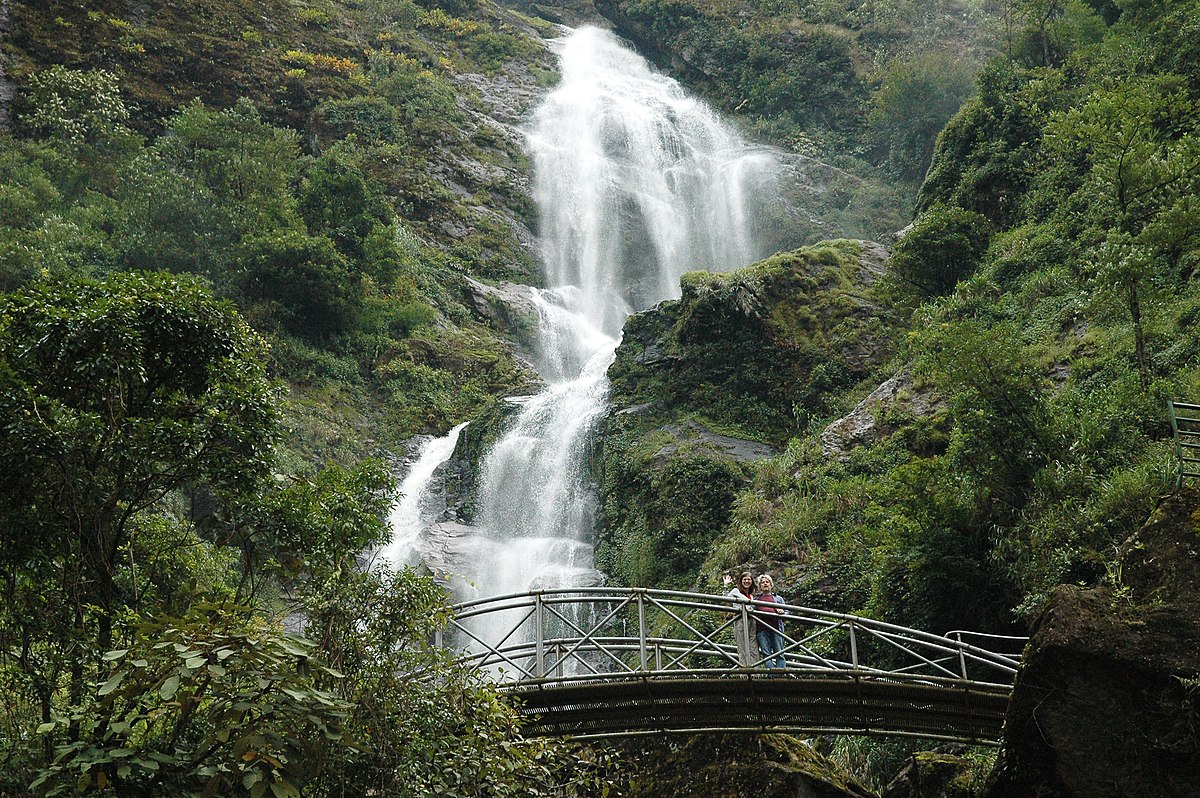
The Silver Waterfall or Thác Bac in Vietnamese, is one of the most exquisite springs in Sapa that offers a captivating view of white water streaming down from the Lo Sui Tong Mountain peak. Given its gorgeous landscape, from a distance, this waterfall almost looks like a majestic white dragon descending from the sky.
Surrounded by mountains, remaining forests of the Hoang Lien National Park, rice terraces, and Fansipan peak, stopping by once won’t be enough to capture the beauty of Silver Waterfall. That’s why it is recommended to spend about 30–45 minutes at the waterfall before you continue to your next destination in Sapa.
3. Fansipan Mountain
- Entrance fee:
- Adult & Child (over 1.3m): 35 USD/person
- Child: 20 USD/person
Fansipan Mountain isn’t called “the roof of Indochina” for no reason. This mountain is literally the tallest mountain in the Indochinese peninsula with a height stretching up to 1,143 meters tall. Its tremendous height makes it a challenging target to conquer for trekking lovers. But if you’re not into hiking, you can always use the cable car to get around. As the longest three-rope cable car spanning 6,292.5 meters long, you can see the view of Muong Hoa valley and peaks of Hoang Lien Son Range that are just as magnificent.
4. Stone Church
Another widely known tourist attraction in Sapa town is the Stone Church. Like its name suggests, the church is constructed out of stone with a Roman gothic style architecture built by the French in the early 20th century. Being built since 1932 and is still well preserved until now, this church has transformed into more than just a place of worship. The Stone Church is also commonly used as a lively cultural hub for local cultural events. If you seek to engage with Sapa’s history and culture, the Stone Church is a must-see landmark.
5. Ta Phin Village
Ta Phin, a small village situated about 15 km from Sapa, is home to the Red Dao and Hmong ethnic groups, where they uphold rich traditional practices and lifestyles. The Hmong people weave beautiful garments and mementos out of hemp and indigo, meanwhile the Red Dao people are famous for their red headdresses, arrange wedding practices, and herbal baths made of forest plants. This ethnic village provides a unique experience where visitors can go on an authentic trekking trip through the rice fields, traditional houses, caves, and cultural customs including a therapeutic bath experience.
6. Cat Cat Village
- Entrance fee:
- Adult: 70,000 VND
- Child: 30,000 VND
Since the 19th century, the Hmong ethnic community also resides in the Cat Cat village, which is located at the foot of Muong Hoa Valley, 3 km away from Sapa. This village is renowned for its rice terraces, stunning waterfalls, and traditional water mills. In the midst of the village’s lush natural scenery, Cat Cat Village also offers a fascinating cultural experience with its traditional Hmong homes, vibrant brocade needlework dyed with natural colors, and neatly crafted jewelry made of gold and silver.
7. Sapa Love Market
Sapa Love Market is a unique Laotian cultural event that takes place exclusively on Saturday nights. As explained in Incredible Asia Journeys, this market is a place where young men and women in the community can interact and even meet their future life partner through love songs, interesting right? In addition, visitors can also try a variety of tempting cuisines and purchase brocade items of the Mong and Dao people.
8. Cloud Cafe
Looking for a place to sip on some coffee with a panoramic view? You might want to stop by at the Cloud Cafe located in Fansipan and Cau May Streets. Just like its name, these cafes are built in higher grounds making it the perfect spot to relax and enjoy the vibrant landscape of the green valley underneath. As for the menu, the Cloud Cafe serves a wide range of drinks and both local and international foods.
When should I come to Sapa?
For a more enjoyable experience, it is best to adjust your time of visit according to the type of activity you’re planning to do. Here’s an overview of the best time to travel to Sapa based on your preferred activity:
- March to April (spring) and September to October (autumn): best for climbing and trekking.
- February to May: best for hunting dreamy picturesque flower scenery.
- Mid September to early October: best for seeing the fall view as well as experiencing local cultural festivals.
- June to August: peak season
- November to March: low season with a more quiet atmosphere.
How do I get there?
Since direct flights to Sapa are not yet available, visitors will need to travel from bigger cities like Hanoi and continue by road to get to Sapa. Here’s some transportation options you can choose from:
Motorbike
- Price: 100,000 VND/day
If you’re looking for a more affordable option and don’t mind the steep roads, you can rent a motorbike.
Private Car
- Price: 2,000,000/day for a small car
For more comfort and flexibility, you can consider a private car as an option to get around in Sapa town.
Taxi
- Price: 2,500,000–4,300,000 VND/trip
If you have an adequate amount of budget and are looking for a direct transfer from the major city Hanoi to Sapa, a taxi can be a good option to travel to Sapa with ease.
Bus
- Price: 180,000–500,000 VND/person
Another relatively fast and low-cost option to get to Sapa is by bus, which takes approximately a 5–6 hour drive from Hanoi. There are a number of buses to choose from, such as the Sapa Express, Green Bus, Inter Bus Lines, and Queen Cafe Bus.
Train
- Price: 300,000–2,000,000 VND/person
Travelling to Sapa by train is a good option, particularly if you want to enjoy a more scenic and relaxing journey. It takes about 8–9 hours by train to reach Lao Cai—the closest city from Sapa.