Indonesia is home to one of the world’s richest natural heritages–an extraordinary blend of biodiversity and culture.
What makes it truly special is how deeply nature and culture are intertwined.In many parts of the country, local communities have long practiced sustainable ways of living that honor both the environment and their heritage.
By protecting nature, we’re not only saving forests, oceans, and wildlife—but also the wisdom and traditions that have nurtured them for generations.
The Lamalera Community: A Heritage by the Sea
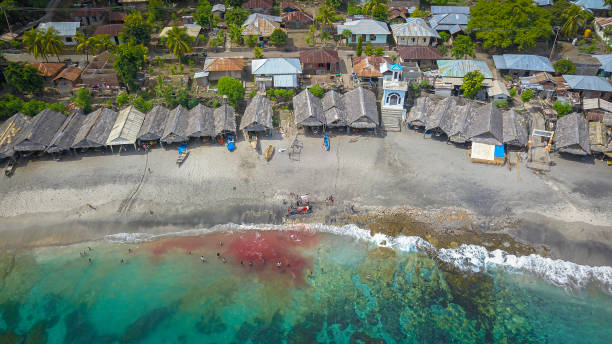
Protecting the natural world isn’t only about saving the environment—it’s also about preserving the ancestral wisdom that has long lived in harmony with nature.
In East Nusa Tenggara, the Lamalera community has practiced traditional whale hunting since as early as the 14th century. This practice is not merely a means of livelihood, but a deeply rooted cultural tradition—intertwined with the community’s values, identity, and spiritual beliefs.
For the people of Lamalera, whale hunting is more than just survival; it is a ritual guided by generations of inherited wisdom, ethical codes, and communal responsibility.
Sustainability Through Ancestral Wisdom
The traditional sperm whale hunting practice, known locally as koteklema, continues to follow strict customary laws designed to protect both the community and the natural environment. This cultural tradition is carried out during the Leva Nuang season, which runs from May to October, when the sea conditions are most favorable.
The hunters—known as Lamafa—venture into the open ocean aboard wooden sailboats called Peledang. Armed with a traditional harpoon called tempuling, they hunt with both skill and ritual discipline.
The tempuling consists of a wooden shaft approximately 4 meters long, tipped with an iron blade about 30 centimeters in length. More than just a weapon, the tempuling is considered a symbol of honor and harmony with nature—reflecting the deep respect the community holds for the sea and its creatures.
Importantly, only adult whales are hunted. Young whales and nursing mothers are strictly avoided, in accordance with ancestral laws that aim to maintain ecological balance and ensure the sustainability of marine life for generations to come.
Government Support
The traditional whale hunting practice of Lamalera has received formal recognition and support from both Indonesian conservation agencies and the Ministry of Tourism and Creative Economy. It is also acknowledged internationally as a culturally significant and regulated practice.
To strengthen this recognition, the government has organized seminars —notably in December 2014 and October 2016—aimed at raising public awareness and helping the Lamalera community develop effective marine mammal management models that remain respectful of international law.
These efforts reflect a shared commitment between local communities, national authorities, and conservation groups to preserve the whale hunting tradition in Lamalera—while ensuring that marine ecosystems remain protected for future generations.
What the Lamalera Community does offers an important lesson: protecting nature begins with awareness, not scale. They safeguard the sea not because they have to, but because it’s deeply rooted in their way of life.