


The Forest Research Institute Malaysia (FRIM) Forest Park in Selangor has officially been inscribed on the UNESCO World Heritage List, making it Malaysia’s sixth World Heritage Site. The announcement was made on July 12, 2025, during the 47th session of the UNESCO World Heritage Committee, held from July 6 to 16 at UNESCO Headquarters in Paris, France.
The designation was approved by the 21 member states of the World Heritage Committee, chaired by Professor Nikolay Nenov of Bulgaria. This recognition marks a significant milestone in the restoration of man-made tropical ecosystems and highlights Malaysia’s commitment to environmental conservation, especially in areas previously degraded by industrial activities.
From Mined Land to World Heritage Forest
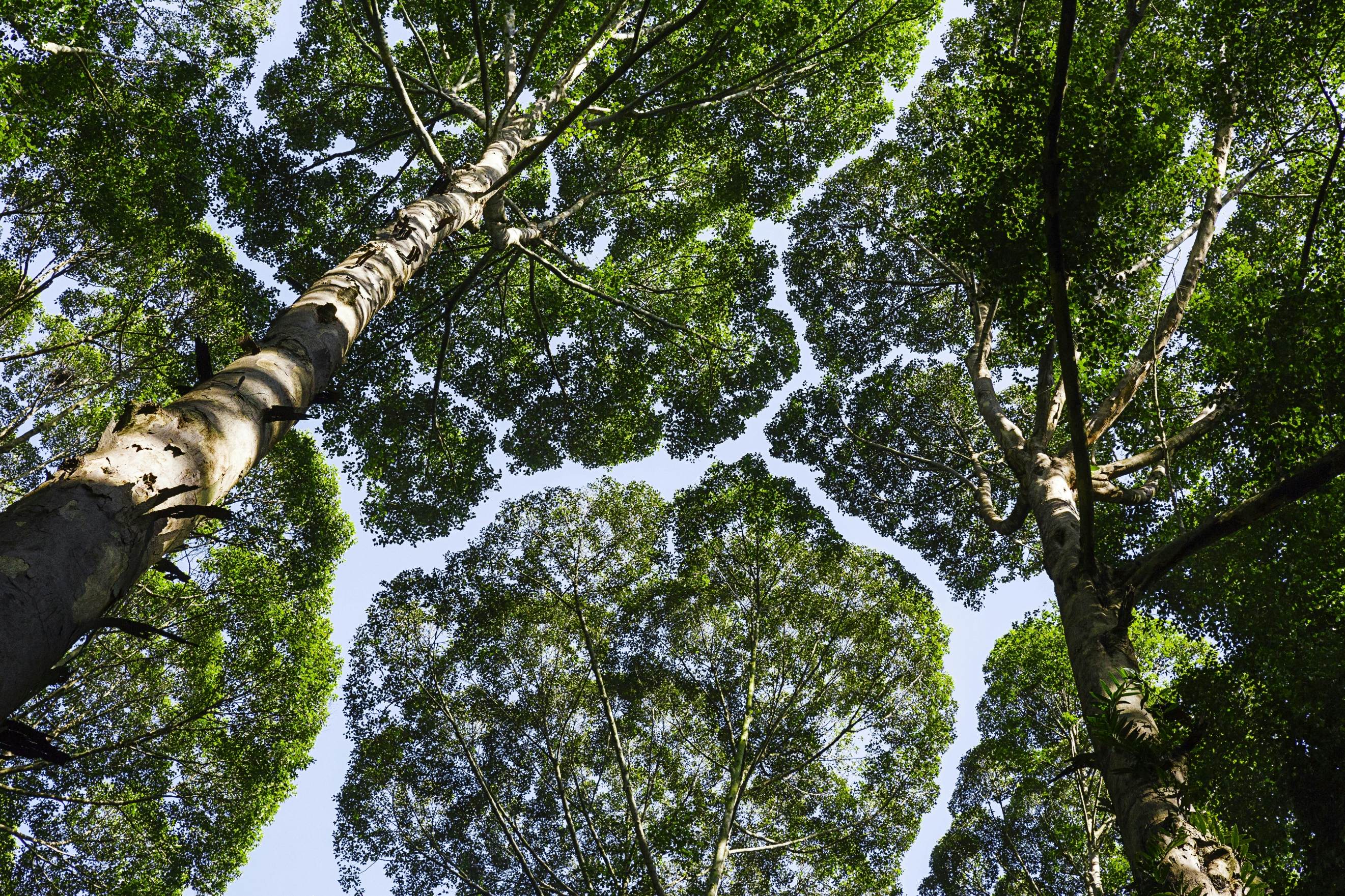
Located about 16 kilometers northwest of Kuala Lumpur, FRIM Forest Park was once a heavily damaged tin mining site. Since the 1920s, the Forest Research Institute Malaysia has undertaken systematic efforts to restore the area by replanting native tropical trees.
Over the decades, these efforts have successfully transformed the site into a mature lowland tropical rainforest ecosystem, complete with natural vegetation structures, high tree species diversity, and rich biodiversity. This achievement positions FRIM as one of the earliest and most successful large-scale tropical forest restoration projects in the world.
As a UNESCO World Heritage Site, FRIM now serves not only as a center for research and conservation but also as a global symbol of successful human-led ecological restoration on degraded landscapes.
A Long Journey Toward Global Recognition
The nomination process for FRIM’s inclusion as a World Heritage Site was not a short one. Since 2013, various government institutions and stakeholders have been involved in preparing documentation, conducting scientific research, and engaging in international diplomacy.
The Ministry of Tourism, Arts and Culture (MOTAC) led this initiative, supported by the Selangor State Government, the Ministry of Foreign Affairs, the Ministry of Education, the Malaysian National Commission for UNESCO (SKUM), and the Permanent Delegation of Malaysia to UNESCO in Paris.
Malaysia Adds to Its Collection of World Heritage Sites
With the inscription of FRIM Forest Park Selangor on the UNESCO World Heritage List, Malaysia now has a total of six World Heritage Sites:
- Kinabalu Park (2000)
- Gunung Mulu National Park (2000)
- Historic Cities of Melaka and George Town (2008)
- Archaeological Heritage of the Lenggong Valley (2012)
- Niah National Park Caves Complex (2024)
- FRIM Forest Park Selangor (2025)
Southeast Asia Shines
In addition to Malaysia, two other sites from Southeast Asia were also inscribed on the UNESCO World Heritage List this year:
- Cambodian Memorial Sites: From Centres of Repression to Places of Peace and Reflection, Cambodia – This site represents the transformation from spaces of oppression to national sites of reflection and peace.
- Yen Tu–Vinh Nghiem–Con Son, Kiep Bac Complex of Monuments and Landscapes, Vietnam – A spiritual complex rich in cultural and historical significance, particularly in the development of Buddhism in East Asia.
The inclusion of these three new sites from Southeast Asia reinforces the region’s status as a vital hub of cultural and natural heritage on the global stage.
As of mid-2025, there are 1,248 sites worldwide inscribed on the UNESCO World Heritage List under the 1972 Convention Concerning the Protection of the World Cultural and Natural Heritage.


