


The Roman Empire left behind more than just historical records and legends; it also gifted the world with monumental architecture that continues to defy time. From the Pantheon to aqueducts, Roman structures have stood strong for over two millennia.
This durability has long puzzled scientists and historians. The key lies not only in engineering ingenuity but in a unique kind of cement, one with mysterious self-healing properties.
Intriguingly, while modern concrete crumbles after just a few decades, Roman concrete grows stronger. Despite decades of research, the exact recipe for this wonder material remains elusive, making it one of antiquity’s most tantalizing secrets.
Roman Concrete’s Mystery

Roman concrete, also known as opus caementicium, was not just another mix of stone and mortar. Ancient Roman builders combined volcanic ash, lime (calcium oxide), and seawater to create a blend that bonded with rock to form a chemically reactive and long-lasting substance.
They often mixed in pieces of volcanic rock or crushed bricks, called “pozzolana,” which played a crucial role in the material's unique behavior.
Unlike modern Portland cement, which degrades over time due to exposure to water and weather, Roman cement appears to thrive in such conditions.
Its resilience is most evident in structures like harbor piers and sea walls, which, despite constant wave battering, remain largely intact. For decades, the secret behind this concrete’s longevity seemed hidden in plain sight, but the mystery went deeper than ingredients alone.
The Insane Self-Healing Ability

One of the most fascinating discoveries in recent years is the cement’s apparent ability to "heal" itself.
When cracks form in Roman concrete, they don’t simply expand and lead to structural failure, as they do in modern concrete. Instead, researchers have observed that the cracks often fill themselves in over time.
This self-healing behavior is attributed to the presence of lime clasts, small, unreacted lumps of lime embedded in the concrete.
When water seeps into a crack, these lime particles dissolve and react with the surrounding material to form new calcium carbonate crystals, effectively sealing the fissure.
This continuous cycle of dissolution and re-crystallization is what allows Roman structures to remain intact for centuries.
Recent scientific analysis using high-resolution imaging and chemical techniques has confirmed this process.
The reactive lime in Roman cement appears to have been a deliberate feature of the mix rather than a flaw, suggesting that Roman engineers understood, at least to some extent, the regenerative properties of their material.
The Recipe is Lost
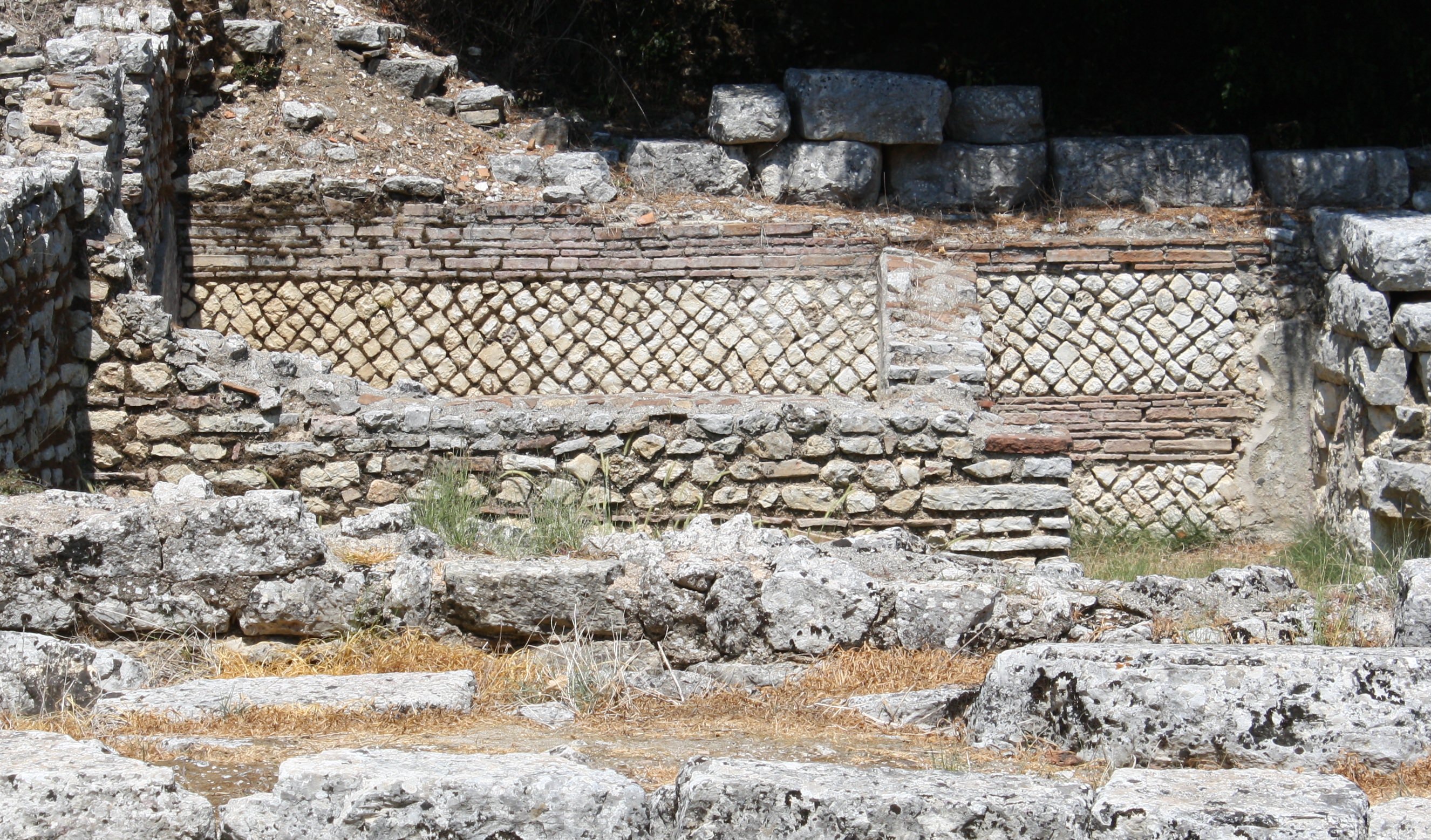
Despite extensive study, modern scientists have not been able to perfectly replicate Roman cement. Many have tried, using combinations of volcanic ash from Pozzuoli (near Naples), seawater, and lime.
While some experimental versions have shown promise, none have matched the full range of strength, durability, and self-repair capacity exhibited by the ancient concrete.
The exact ratios, mixing methods, and even the timing of ingredient addition remain uncertain. It’s believed that the Romans may have used a hot mixing technique, involving adding water to slaked lime at high temperatures.
This method could explain the formation of lime clasts and the cement’s unusual chemistry. However, without written records or a surviving manual, this knowledge has been lost to time.
What further complicates the matter is the variability in Roman concrete across different regions and structures. There was no single standardized recipe.
Instead, Roman builders adapted their mixes based on available local materials, which makes reverse-engineering the original formula even more challenging.
The Quest to Recreate Roman’s Cement
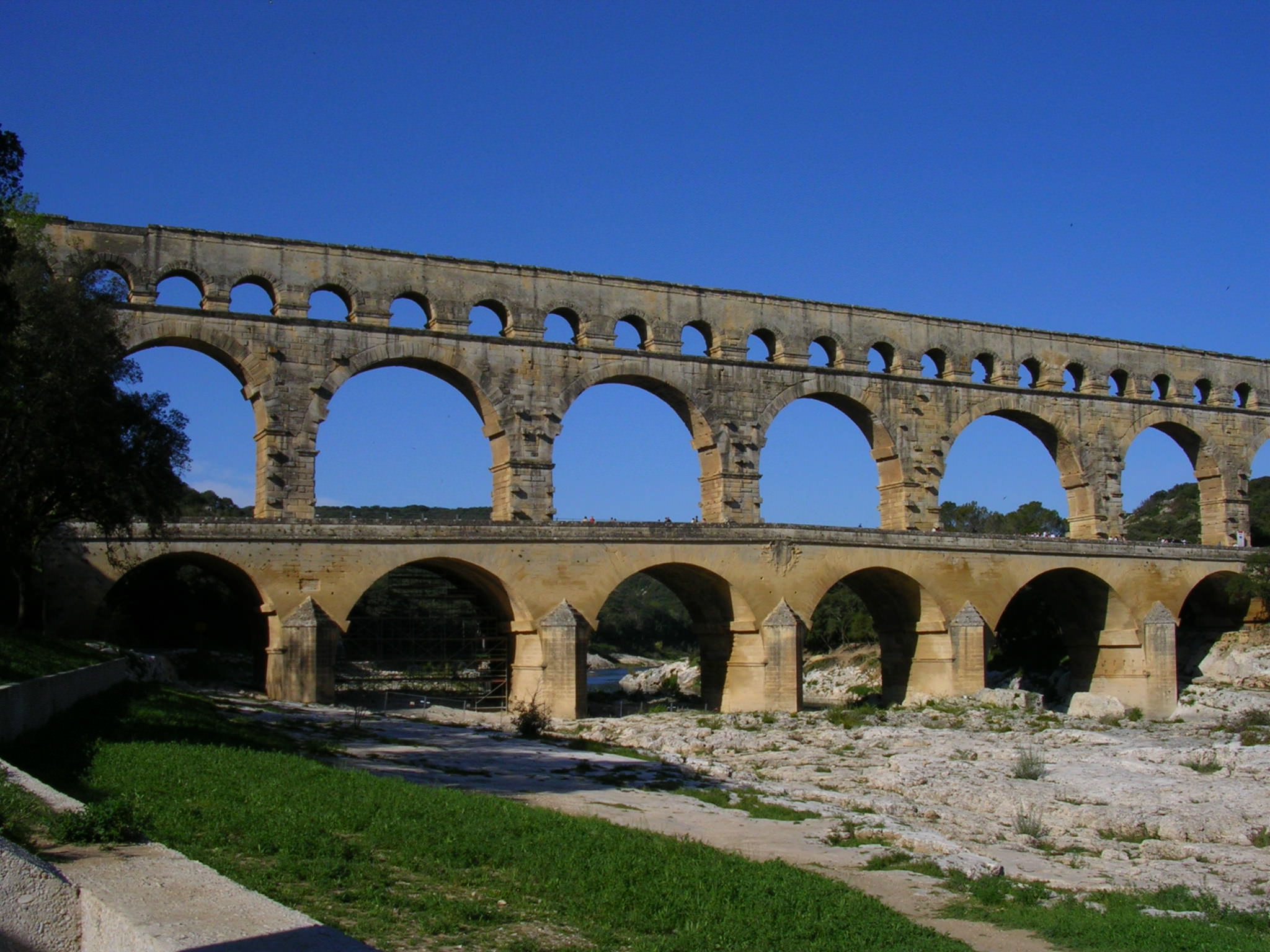
The implications of rediscovering Roman concrete are vast. In an era where climate change and sustainability dominate architectural concerns, a durable, low-carbon, self-healing building material would be revolutionary.
Modern concrete production is responsible for roughly 8% of global CO₂ emissions, largely due to the energy-intensive process of making Portland cement.
Roman concrete, which relies on volcanic ash and produces far fewer emissions, offers a greener alternative, if we can ever learn how to make it again.
Researchers are now studying surviving Roman structures at the microscopic level, hoping to decode their secrets layer by layer.
Some startup companies and academic labs are developing cement blends inspired by Roman techniques, aiming to create modern equivalents with similar properties.
A Legacy Cast in Stone

Roman concrete represents more than just an ancient construction material; it’s a testament to the Romans’ practical wisdom and their deep understanding of natural processes.
While we still marvel at their aqueducts and domes, the true genius might lie in the mortar holding those stones together.
Until the day we fully unlock the secret of their cement, the Roman legacy will continue to be measured not just in stone, but in the mystery that binds it.


