


Minimum wage laws are designed to ensure that workers receive a baseline income for their labor. While the concept is universal, the implementation varies widely from country to country.
Factors such as cost of living, economic development, and labor laws all influence how much a worker earns at the minimum level.
As of recent data, several countries stand out for offering the highest minimum wages globally. Below, we explore the top countries, each of which has set a benchmark for worker compensation.
Australia

Australia consistently ranks at the top when it comes to minimum wage. As of 2025, the national minimum wage is AUD 24.10 per hour, which translates to over USD 16.00, depending on exchange rates.
This rate is reviewed annually by the Fair Work Commission, an independent body that evaluates economic conditions, inflation, and labor market trends before making adjustments.
Australia’s high minimum wage reflects its strong labor protections and relatively high cost of living.
Workers in industries such as retail, hospitality, and services benefit significantly, and casual workers receive an additional loading, usually 25%, to compensate for the lack of job security and benefits.
The Australian system also includes detailed awards and enterprise agreements that can further elevate minimum standards depending on the occupation or sector.
Luxembourg

Luxembourg, a small but wealthy European country, offers the highest minimum wage in the European Union. As of 2025, the gross minimum wage is approximately EUR 2,500 per month, which is over USD 2,700.
The country operates a tiered system: skilled workers must be paid at least 20% more than the base minimum, and young workers receive slightly reduced rates based on age.
Luxembourg’s economy, bolstered by finance, technology, and international institutions, supports this wage level.
The country has a relatively low unemployment rate and a high GDP per capita, making it one of the few nations able to sustain such a generous minimum wage without significantly burdening employers.
France

France also ranks highly with a minimum wage known as the SMIC (Salaire Minimum Interprofessionnel de Croissance). As of 2025, it stands at approximately EUR 11.65 per hour, or around EUR 1,766 per month based on a 35-hour workweek.
Adjusted for cost of living and purchasing power, this wage gives French workers a relatively strong economic footing. The SMIC is automatically adjusted annually to keep up with inflation and half of the average wage increase of blue-collar workers.
The French government aims to protect workers' purchasing power and reduce income inequality. While critics argue that the high labor costs can be a burden to small businesses, supporters point to the policy's role in promoting social stability and economic fairness.
Germany

Germany, Europe’s largest economy, introduced a statutory minimum wage relatively late, in 2015, but it has increased significantly since then. As of 2025, the minimum wage is EUR 12.41 per hour.
This marked a substantial rise from earlier years and reflects the government’s commitment to ensuring a fair standard of living for all workers.
Germany’s labor market is known for its dual system of vocational training and strong union presence, which supports structured wage negotiations.
While the wage floor is set by legislation, many sectors have higher negotiated rates through collective agreements.
Germany’s minimum wage has been credited with reducing wage inequality and boosting income for low-paid workers without significantly impacting employment levels.
New Zealand
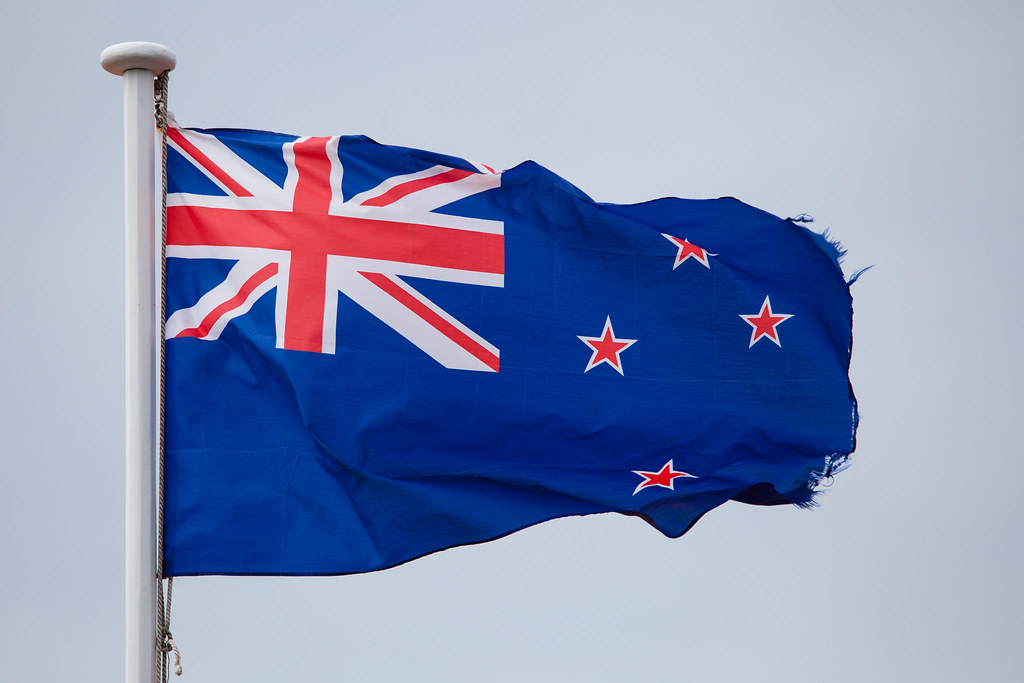
New Zealand offers one of the highest minimum wages in the Asia-Pacific region. In 2025, the adult minimum wage stands at NZD 23.15 per hour, or roughly USD 14.00.
The country’s wage policy is rooted in the principle of fairness, aiming to lift more workers out of poverty and provide them with adequate compensation. The government reviews and adjusts the wage annually based on economic conditions and public consultation.
Young workers and trainees receive slightly lower rates, but overall, the system ensures broad protection for the labor force.
In recent years, the rising minimum wage has coincided with a tightening labor market and increased productivity demands, prompting many employers to invest more in staff training and efficiency.
Ireland

Ireland rounds out the list with a strong minimum wage of EUR 12.70 per hour as of 2025. The Irish government bases changes to the minimum wage on recommendations from the Low Pay Commission.
This decision considers inflation, labor market performance, and the needs of both employers and workers.
Ireland’s relatively high wage floor is a response to rising living costs, particularly in urban areas like Dublin. While small businesses often express concern about wage pressures, Ireland’s robust tech and services sectors have helped sustain employment levels.
The government is also transitioning toward a living wage framework, intending to phase it in over the next few years.


