Kuih (also known as 'Kue' in Indonesia or 'Kueh' in Singapore) is a collection of colourful, bite-sized treats that are commonly found in Southeast Asia. They are found in local neighbourhood markets or bakeries, and most likely have been an integral part of someone's fond childhood memories in Malay Archipelagic countries, namely Indonesia, Malaysia, Singapore, and Brunei.
The History of Kuih
The term "Kuih/Kue/Kueh" is thought to have originated from the Chinese term koé (粿) in Southern Min dialect or guǒ in Mandarin, which loosely describes treats made from rice. The creation of Kuih in Southeast Asia dates back to the 15th century, and its variations have evolved alongside migration and colonisation, employing a unique mix of local and imported ingredients.
Nowadays, Kuih has grown into a colloquial term describing both sweet and a few savoury kinds of the local palm-sized snacks found in Southeast Asia. Some of the staple ingredients for modern-day Kuihs are rice flour, coconut milk, and fragrant leaves called pandan.
Most Popular Types of Kuih
1. Kuih Lapis
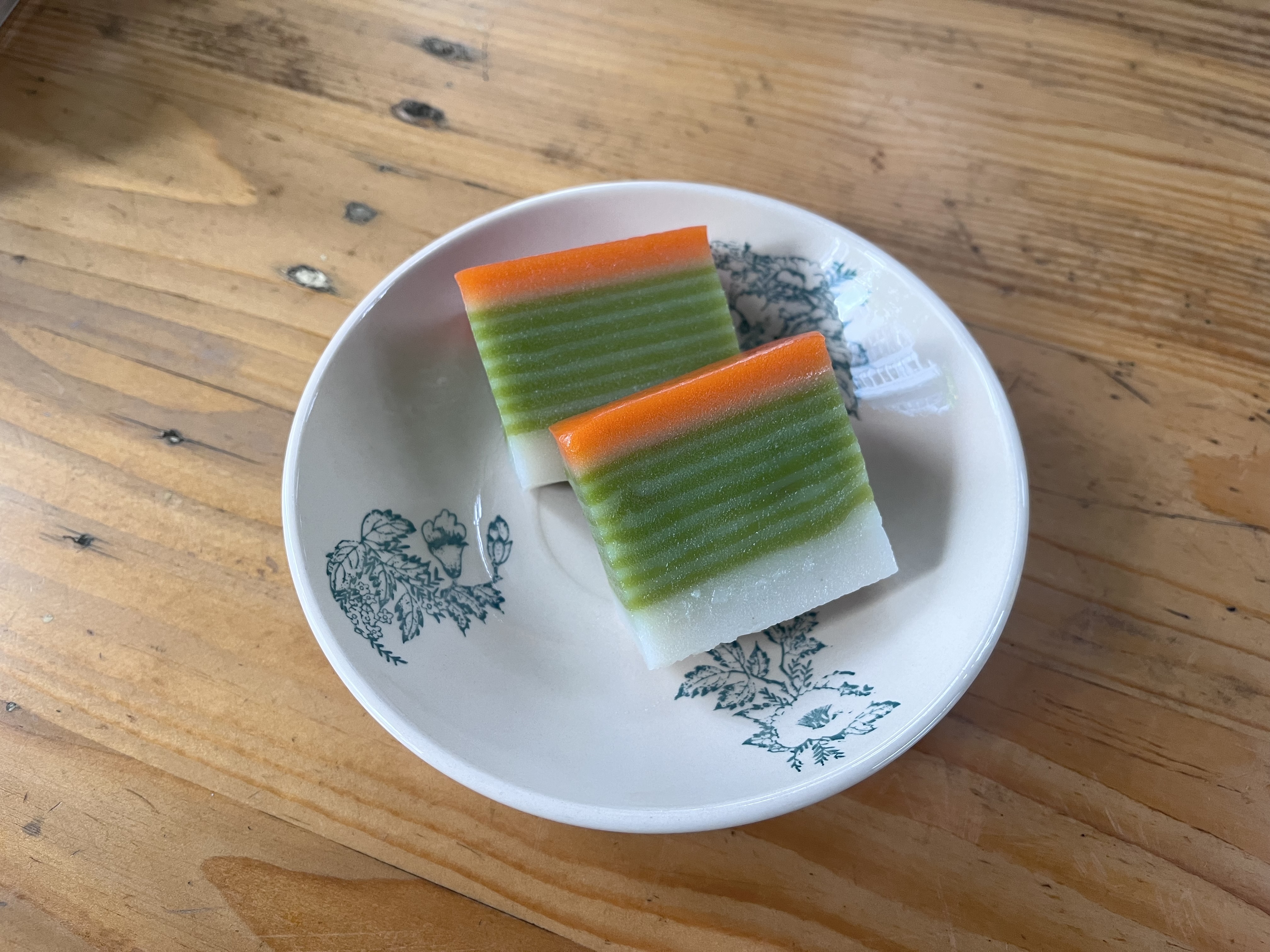
Roughly translates to "layer cake", the Kuih Lapis is formed through the intricate process of pouring a layer of tapioca mixture over another until the desired pattern is achieved. Kuih Lapis is a popular addition to festive celebrations, but it is also commonly served for tea breaks or even consumed as breakfast.
2. Ang Ku Kueh

This Kuih is a tortoise shell-shaped Kuih with sweetened mung beans inside. Brought by Hokkien emigrants, it is often used as a religious offering during important occasions such as Chinese New Year or Qing Ming (lit. tomb-sweeping day, an observance to honour one's ancestors). Aside from the aforementioned tradition, eating Ang Ku Kueh is believed to bring good fortune to the eater.
3. Onde-onde
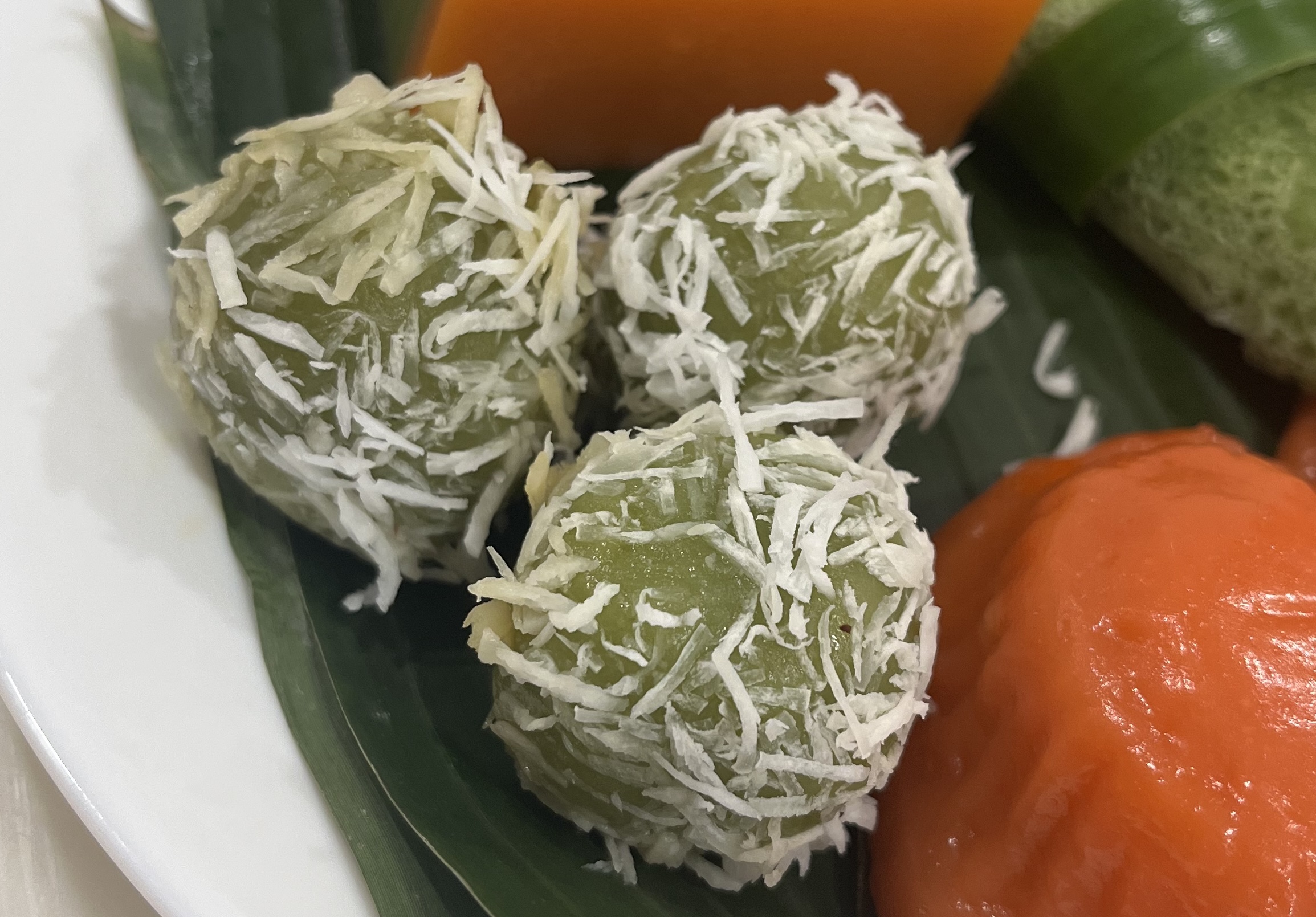
Onde-onde is the name for the pandan-flavoured, glutinous rice balls sprinkled with coconut shreds. When bitten, a burst of syrupy, melted palm sugar brings a little surprise and delight.
4. Dadar Gulung
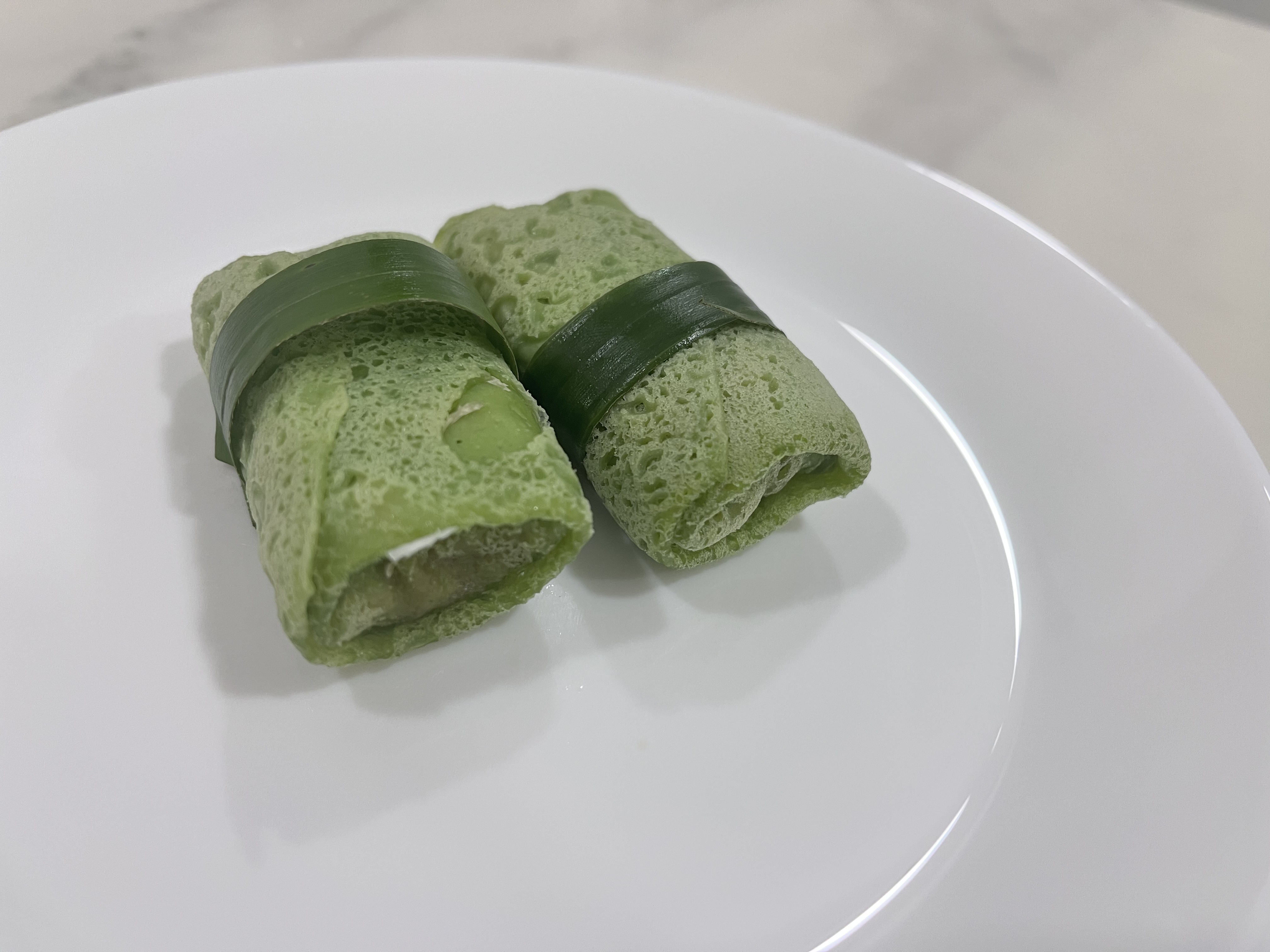
Also known as Kuih Ketayap in Malaysia, Dadar Gulung is literally a rolled up pancake with generous coconut and palm sugar filling. Pandan remains a part of its main ingredient, incorporated into the pancake batter to give fragrance, taste, and its hallmark green colour.
So, which one do you want to try first? Kuih usually comes in assortments, there are plenty of variations to fulfil your curiosity, each brings to the table unique flavour and backstory. Head down to the nearest store, and be sure to arrive early so you won't run out of choices!
References:
MICHELIN Guide (2024, April 25). Kueh 101: Your guide to enjoying kueh in Malaysia and Singapore. MICHELIN Guide. Retrieved July 14, 2025, from https://guide.michelin.com/hk/en/article/features/different-types-of-kueh-in-malaysia-and-singapore
Nyonya Cooking. (n.d.). Onde‑onde [Recipe]. Retrieved July 14, 2025, from https://www.nyonyacooking.com/recipes/onde-onde~SJ80DvivMqWX
Toh, Terence (2022, April 5). The colourful history of Malaysian kuih‑muih. Tatler Asia. Retrieved July 14, 2025, from https://www.tatlerasia.com/dining/food/my-the-colourful-history-of-kuih
What To Cook Today. (n.d.). Kue Dadar (stuffed coconut pancakes). Retrieved July 14, 2025, from https://whattocooktoday.com/kue-dadar-stuffed-coconut-pancakes.html
This article was created by Seasians in accordance with the writing rules on Seasia. The content of this article is entirely the responsibility of the author.