


The island of Cyprus, located in the eastern Mediterranean, is often perceived as a single geographic entity. However, politically and militarily, it is far from unified.
The island is effectively divided among three distinct powers: the internationally recognized Republic of Cyprus, the self-declared Turkish Republic of Northern Cyprus (backed only by Turkey), and two Sovereign Base Areas retained by the United Kingdom.
This unique and problematic configuration makes Cyprus one of the most politically complex territories in the world, blending historical grievances, international diplomacy, and military strategy into an enduring geopolitical puzzle.
The Republic of Cyprus: The Internationally Recognized Government

The Republic of Cyprus is the legitimate government of the island and a member of the European Union since 2004. It governs the southern two-thirds of the island and is internationally recognized by all United Nations member states, except Turkey.
The Republic was established in 1960 following the end of British colonial rule, under a power-sharing constitution between the Greek Cypriot majority and Turkish Cypriot minority.
However, tensions between the two communities escalated in the years following independence, leading to intercommunal violence and political instability.
In 1974, a coup backed by the Greek military junta aimed to annex Cyprus to Greece. This prompted Turkey to intervene militarily because it doesn’t want Cyprus to be a part of Greece.
As a result, Turkey invaded and occupied the northern third of the island, which set the stage for the division that persists today. The Republic of Cyprus continues to claim sovereignty over the entire island but is practically unable to exercise control over the north.
Northern Cyprus: Turkey's Illegal Occupation
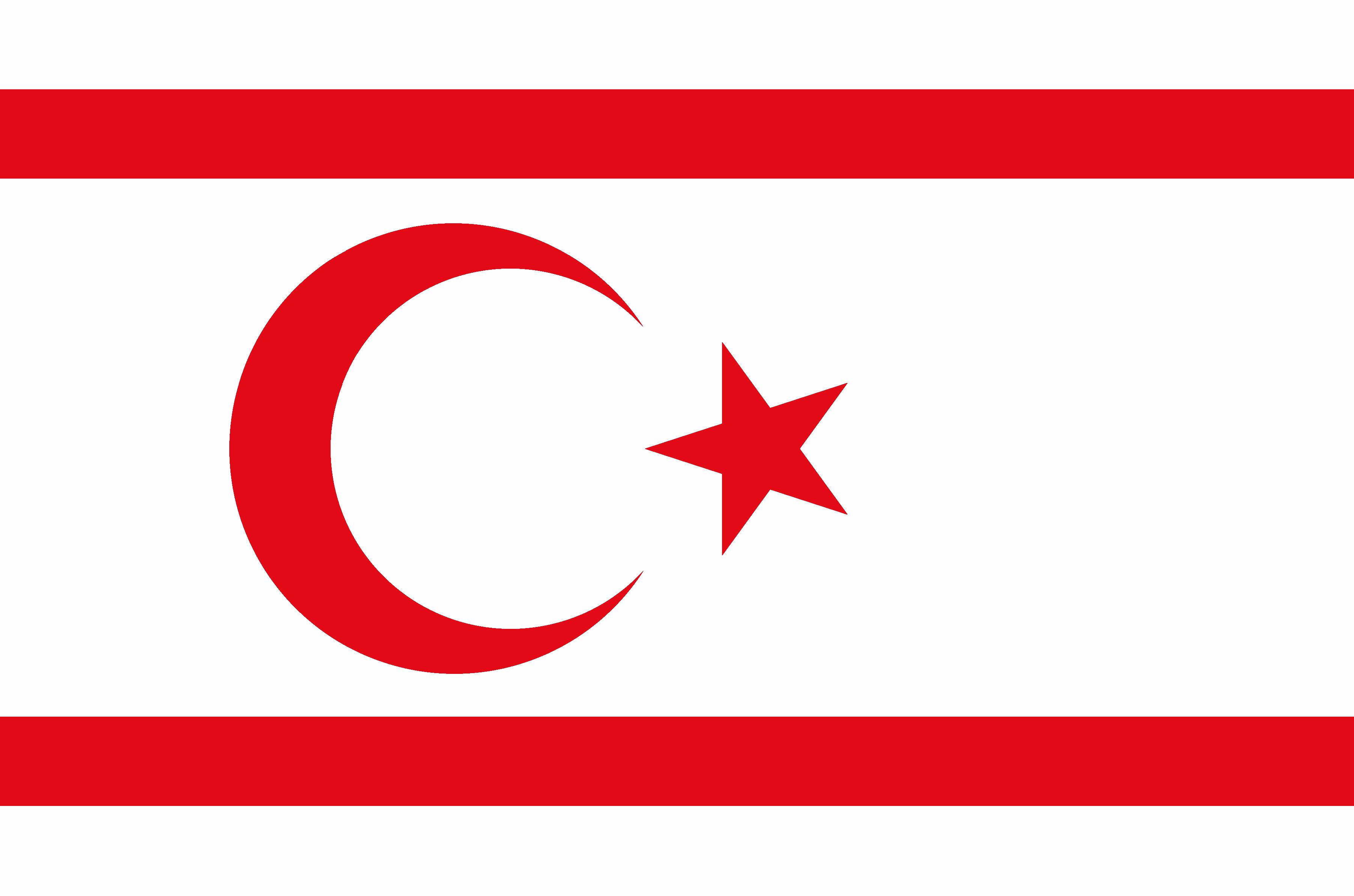
Following Turkey’s military intervention, the northern part of Cyprus declared itself the Turkish Republic of Northern Cyprus (TRNC) in 1983.
This self-declared state is recognized only by Turkey and is considered by the international community to be part of the Republic of Cyprus under illegal occupation.
The TRNC has its own government and operates independently in practice, but it remains heavily reliant on Turkey for economic, political, and military support.
Efforts to resolve the division have been ongoing for decades, including multiple rounds of UN-sponsored peace talks and reunification plans, such as the Annan Plan of 2004.
While the plan was accepted by Turkish Cypriots in a referendum, it was overwhelmingly rejected by Greek Cypriots.
The lack of consensus reflects deep-rooted mistrust and differing visions for the island’s future. The presence of Turkish troops in the north and Ankara’s growing influence over TRNC policy further complicate prospects for reunification.
The British with Its Sovereign Base Areas
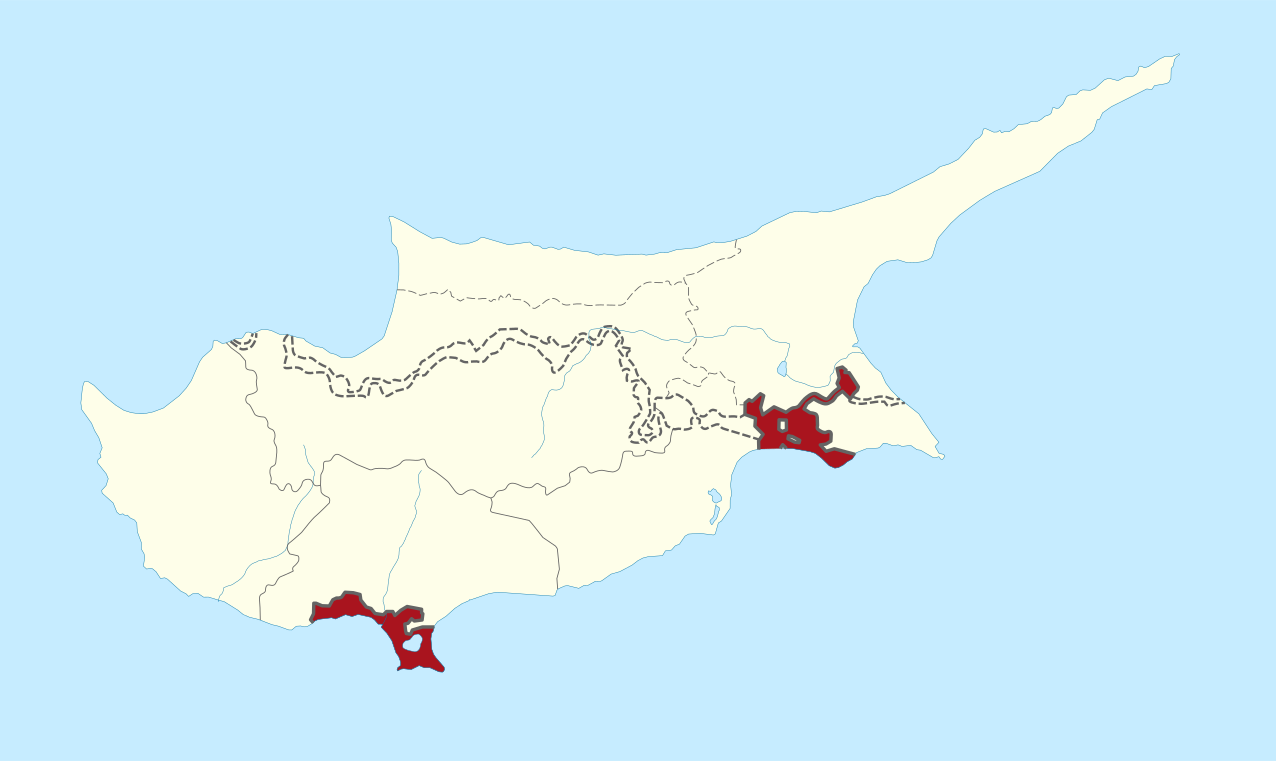
Adding another layer to Cyprus’s complexity are the British Sovereign Base Areas (SBAs) of Akrotiri and Dhekelia. These military enclaves were retained by the United Kingdom after Cypriot independence in 1960 and are considered British Overseas Territories.
Unlike other colonial remnants around the world, these areas are used primarily for military purposes and remain strategically important for British and NATO operations in the Middle East.
Although they occupy less than 3% of the island’s landmass, the bases have been a point of contention among Cypriots. Some view them as a relic of colonialism, while others see them as necessary for regional security.
The SBAs are not part of the European Union, despite the Republic of Cyprus’s membership, but EU citizens living in or working on the bases enjoy certain rights through bilateral agreements.
A Stalemate and International Implications

The division of Cyprus reflects a broader geopolitical stalemate involving not just Cypriots, but also Turkey, Greece, the UK, the EU, and the United Nations.
Turkey’s continued military presence in the north has been a major sticking point in negotiations, while its recent exploration for natural gas in Cypriot waters has heightened tensions further.
Meanwhile, the Republic of Cyprus leverages its EU membership to gain diplomatic support but has limited leverage on the ground in the north.
The UK, for its part, tries to maintain neutrality in the dispute while preserving its military foothold on the island.
This balancing act has led to criticism from both Greek and Turkish Cypriots, who often feel the UK is more interested in its strategic interests than in resolving the conflict.