Wayang has long stood as one of the pinnacles of Indonesian cultural arts–not merely a form of entertainment, but a manifestation of moral values, spirituality, and national identity. Through the shadows that dance behind the screen, people have learned about truth, wisdom, and social criticism. It is no surprise, wayang are often considered the invaluable foundation of the archipelago’s civilization.
But times have changed. Its popularity is fading, the audience is getting smaller. Amid the noise of the digital age and the pull of modern entertainment, wayang performances are now preserved only by a few who remain loyal to their ancestral legacy.
The World Behind the Wayang
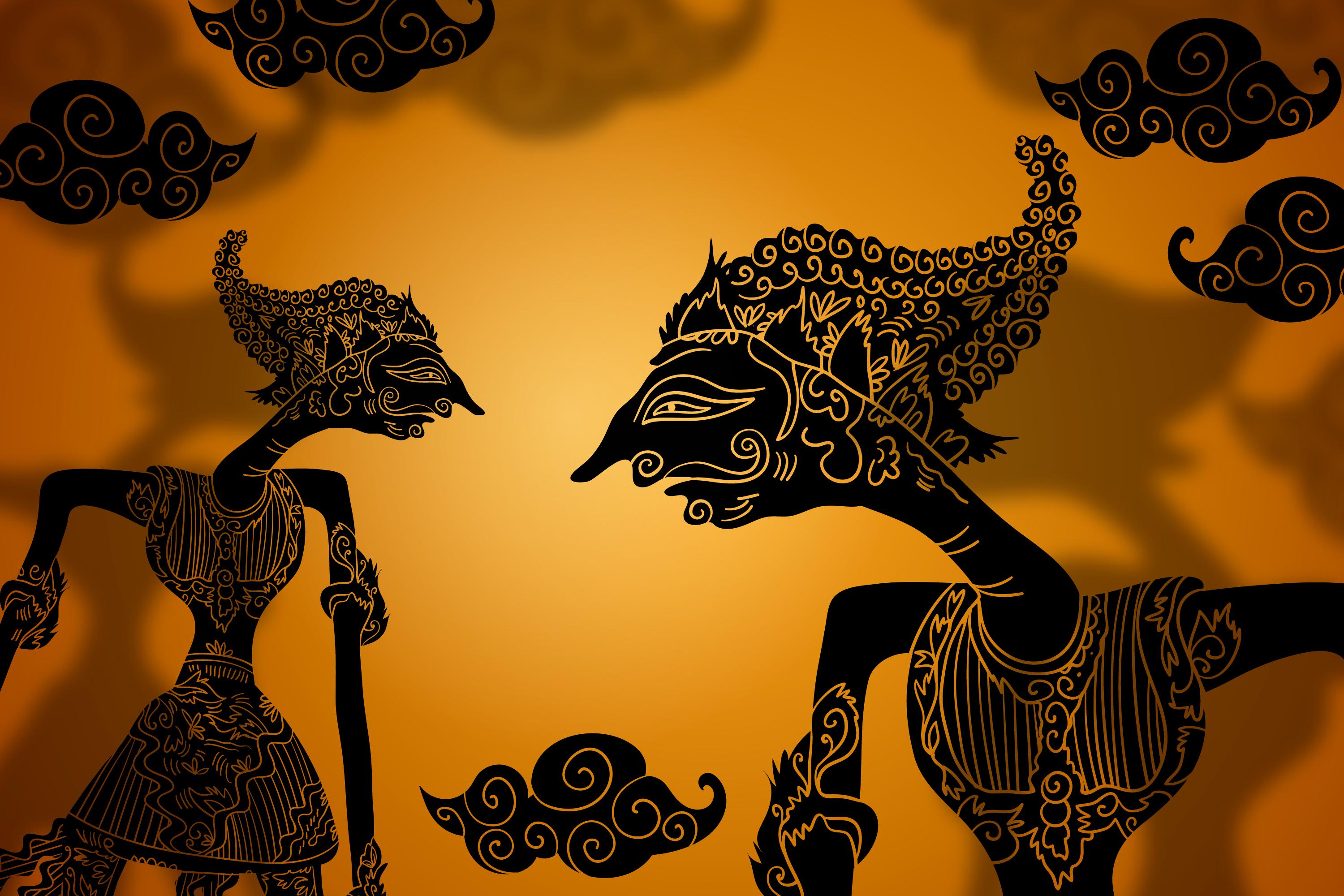
Wayang has evolved since before the 10th century, rooted in the storytelling traditions of Java. The word “wayang” itself means “shadow” in Javanese, referring to the silhouettes cast by the wayang onto the screen. As a performance art, it combines intricate puppets, traditional music, philosophical narratives, and spiritual symbolism.
In 2003, UNESCO officially recognized wayang as a Masterpiece of the Oral and Intangible Heritage of Humanity, acknowledging its cultural significance as one of Indonesia’s greatest forms of storytelling.
Traditionally performed at night, wayang shows can be watched from both the front and behind the screen, offering different visual and symbolic experiences. A single performance may use up to 500 wayang, with many characters wielding traditional weapons such as the keris—a sacred dagger deeply rooted in Javanese culture. The show is accompanied by a gamelan orchestra, an ensemble of percussive instruments that enhances the mood and rhythm of the tale.
What Happens When No One Pulls the Curtain Anymore?
According to Indonesia's Statistics (BPS), wayang began experiencing a sharp decline in popularity around 2012 to 2021, becoming the least attended among all art performances. One contributing factor is that the younger generation—expected to carry on the tradition—often finds it difficult to grasp the narratives delivered by the Dalang (a puppet master), as they are conveyed in a symbolic language that can feel distant and obscure.
Amidst the sweeping tide of popular culture and the digitalization of entertainment, younger audiences are growing up without ever seeing a wayang performance. Once a common sight in villages and communities, wayang is slowly fading into a collective memory of the past.
Perceptions have shifted, some view it as too complex or simply too “old-fashioned” for modern tastes. As interest is no longer inherited and access becomes increasingly scarce, the curtain is rarely lifted. And when no one pulls the curtain anymore, it's not just the performance that ends—it also marks the quiet fading of values, wisdom, and identity that once shaped the soul of a nation.
The Younger Generation Begins to Open the Curtain Again
Becoming a dalang—a puppet master—is not something one learns overnight. It requires years of disciplined training, deep character understanding, and mastery of intricate hand movements. Recognizing this, Indonesia now has specialized schools dedicated to training future Dalang, preserving not only the performance but also the philosophy behind each gesture.
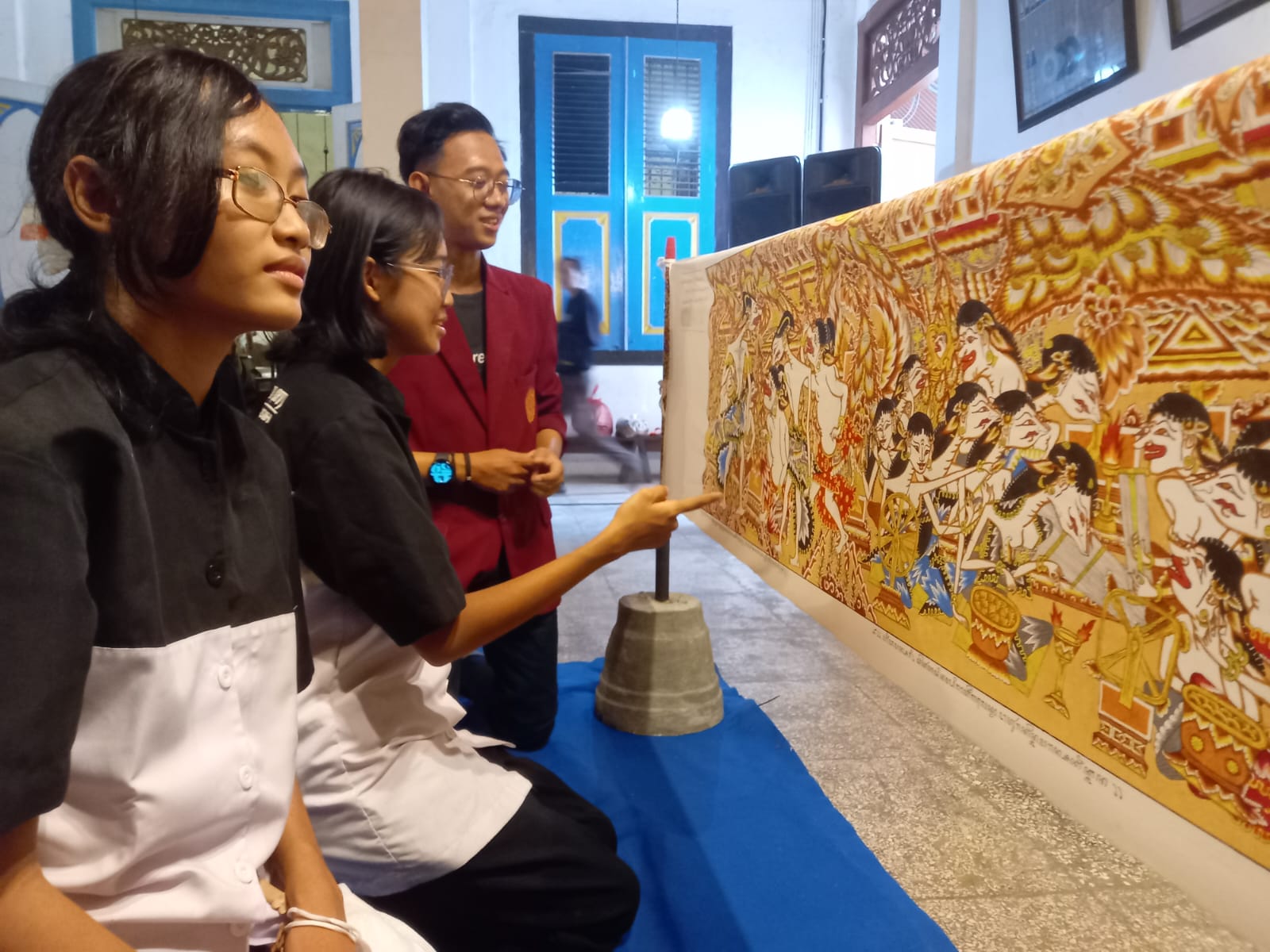
One inspiring example is SMK Marsudirini Marganingsih in Surakarta, which has pioneered workshops and training sessions led by local artists. These initiatives allow students to directly engage with wayang through exhibitions and school-based performances, creating space for hands-on learning and creative expression.
In addition to traditional platforms, digital promotion and social media have also become vital tools in reintroducing wayang to wider audiences. A recent school performance (SMK Marsudirini Marganingsih) even attracted more than 500 visitors—clear evidence that cultural heritage, when shared meaningfully, still resonates deeply with the public.
Reviving wayang is not just about nostalgia—it’s about honoring the values and imagination that have shaped generations of Indonesians. When young people begin to pull the curtain again, they are not merely staging a show. They are breathing life into a legacy, proving that heritage can evolve and inspire, even in the digital age.
The State Steps In to Keep the Shadows Moving
The government plays a vital role in preserving the art of wayang in Indonesia, offering both direct and indirect support to ensure this tradition continues to thrive.
One tangible effort is the financial support provided for the operation of Wayang Orang Sriwedari in Surakarta, helping to maintain this cultural institution and its performances.
Additionally, the government has taken steps to modernize cultural preservation by revitalizing the Wayang Museum. The museum, now equipped with interactive technology, recently launched an event titled “Welcoming Jakarta’s 5th Century: The New Face of the Wayang Museum.”
This initiative successfully doubled visitor numbers in January and February 2025, attracting over 60,000 guests—up from 30,420 during the same period the previous year. Such efforts have not only re-engaged local interest but also drawn the attention of international visitors, proving that wayang still resonates when given the platform to evolve and be experienced anew.
But beyond government support expands, wayang's survival depends on a shared commitment—from artists, institutions, and the public alike.
Keeping wayang alive is not only the duty of those on stage, but of a nation that values its soul. When the screen is opened again, so too are the stories that define us.
Source:
https://journal2.um.ac.id/index.php/jpds/article/download/28773/10731
https://madaniya.pustaka.my.id/journals/contents/article/download/899/620/
This article was created by Seasians in accordance with the writing rules on Seasia. The content of this article is entirely the responsibility of the author.