


Have you ever imagined that Homo sapiens were once not the only humans on Earth? Around 300,000 years ago, there were at least eight or nine other human species living alongside us.
In fact, as recently as 15,000 years ago, we were still sharing caves with another human species called the Denisovans. Today, we are the only ones left. So, what happened to the rest?
Human Species Diversity
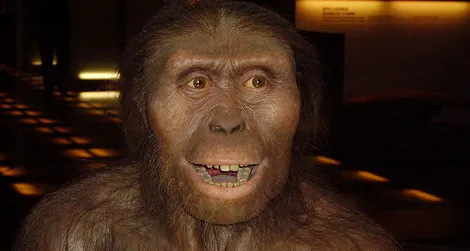
We tend to see humans as a single species. But from an evolutionary perspective, that’s actually unusual. Earth was once home to a wide variety of human species, from Homo erectus, who roamed across Asia and Africa, and cold-adapted Homo neanderthalensis in Europe, to the small “hobbit” Homo floresiensis in Indonesia.
The Smithsonian Institution recognizes at least 21 scientifically accepted human species, though some like the Denisovans or Homo luzonensis are not officially listed due to limited fossil evidence.
If we broaden the term “human” to include all hominins—creatures that evolved after our split from a common ancestor with chimpanzees 6–7 million years ago—the number climbs to more than 30. This includes Sahelanthropus tchadensis from Chad, Orrorin tugenensis from Kenya, and the famous Australopithecus afarensis known as “Lucy.”
What Is a Human Species?
Determining how many human species once existed is no simple task. In the past, the definition of a species was straightforward: if two beings could produce fertile offspring, they were the same species. But with ancient humans, this definition often falls short.
Today, scientists rely on a mix of morphology, location, and genetic data—but even this doesn’t end the debate.
For instance, some researchers classify Homo erectus as a single species, while others divide it into several, such as Homo georgicus and Homo ergaster. Many species are also known from only a few fossil fragments. Some may not be separate species at all, but simply regional variations.
List of Ancient Human Species
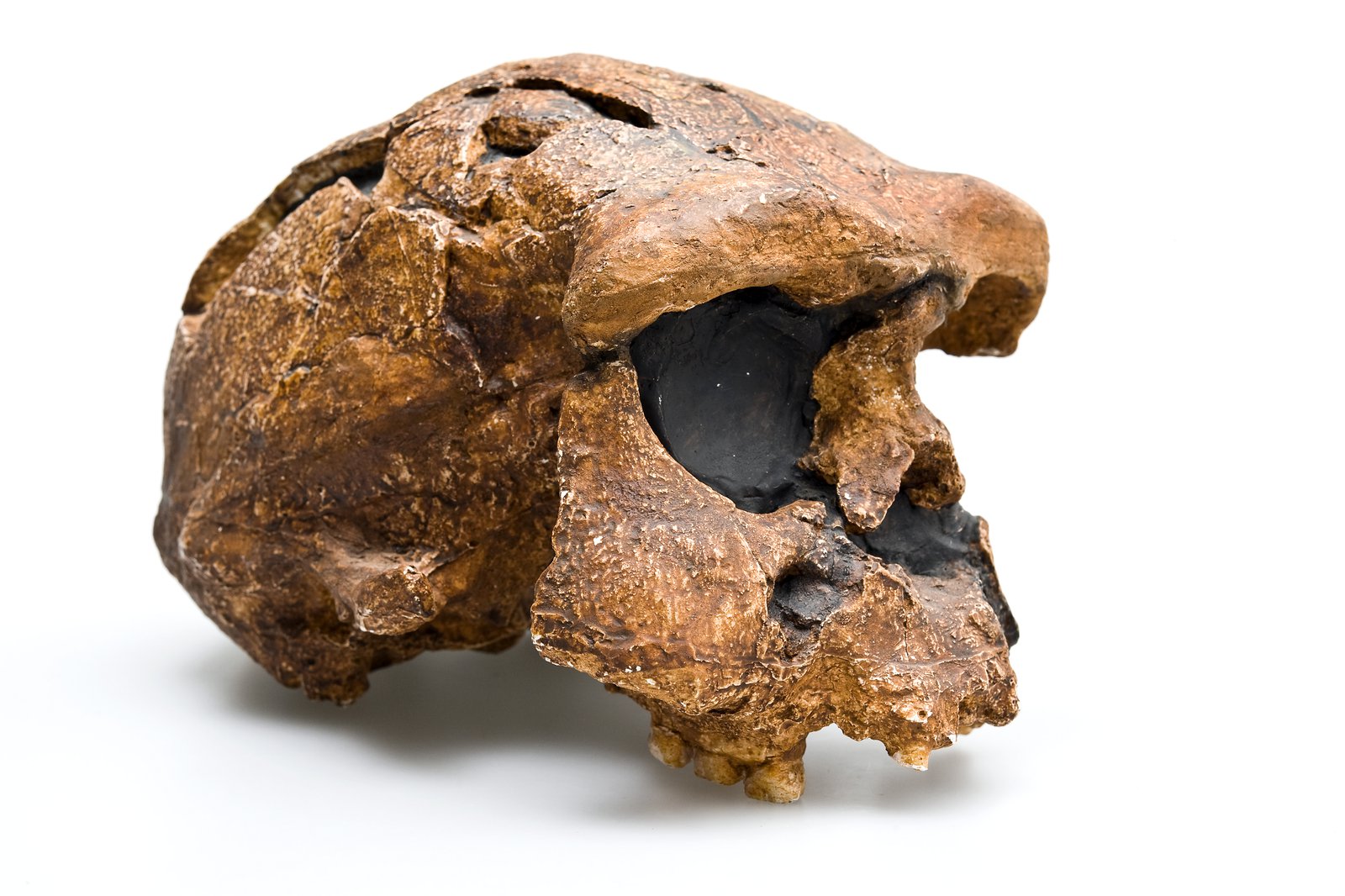
Here are some ancient human species that once inhabited Earth and left important traces in our evolutionary history:
- Homo habilis
Known as “the handyman,” they lived around 2.4 million years ago in Africa. They were the first to make stone tools and showed an increase in brain size compared to their ancestors. - Homo rudolfensis
Lived around 2.4–1.8 million years ago in Kenya. They had a larger skull than Homo habilis, and there's debate over whether they represent a separate species or just a variation. - Homo erectus
One of the most successful human species in terms of time and geography. They lived for nearly 2 million years and migrated from Africa to Asia. They were the first to use fire and had body proportions very similar to modern humans. - Homo antecessor
Discovered in Spain, they lived about 800,000 years ago. Considered a possible common ancestor of both modern humans and Neanderthals. - Homo heidelbergensis
Existed between 700,000 and 200,000 years ago in Africa and Europe. They used complex stone tools and are believed to be the direct ancestors of both Neanderthals and Homo sapiens. - Homo neanderthalensis
Lived in Europe and Asia until around 40,000 years ago. They had large brains, advanced technology, and early forms of culture and art. They also interbred with Homo sapiens. - Denisovans
Still mysterious, known only from bone fragments and DNA. They lived in Siberia, Tibet, and possibly Oceania, and contributed to the genetics of present-day Asian and Melanesian populations. - Homo naledi
Found in South Africa, they lived around 250,000 years ago, despite having brain sizes similar to chimpanzees. They are suspected of burial practices and possibly created cave art. - Homo floresiensis
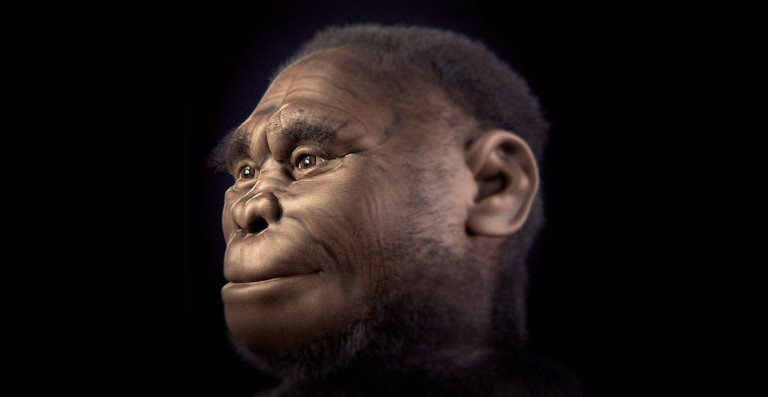
A small species just 1 meter tall that lived on the island of Flores until 50,000 years ago. Nicknamed “hobbits,” they are a clear example of island dwarfism. - Homo luzonensis
Discovered in the Philippines, this species displayed unique anatomical traits and is only known from a few bones found in Callao Cave. - Homo longi ("Dragon Man")
A skull found in China that has sparked debate over whether it represents a new species or belongs to the Denisovan group.
There are likely many more species yet to be discovered or still under scientific debate. DNA analysis and fossil discoveries continue to add complexity to the human family tree.
Who Came First?
If we define “human” as members of the genus Homo, then Homo habilis is considered the first, emerging around 2.4 million years ago. They earned the nickname “handyman” for their tool-making abilities.
However, if we look further back, then Sahelanthropus tchadensis (around 7 million years ago) or Orrorin tugenensis (6 million years ago) could be considered the first humans—depending on how we define the term.
Proof of Interspecies Interaction: We Used to Interbreed
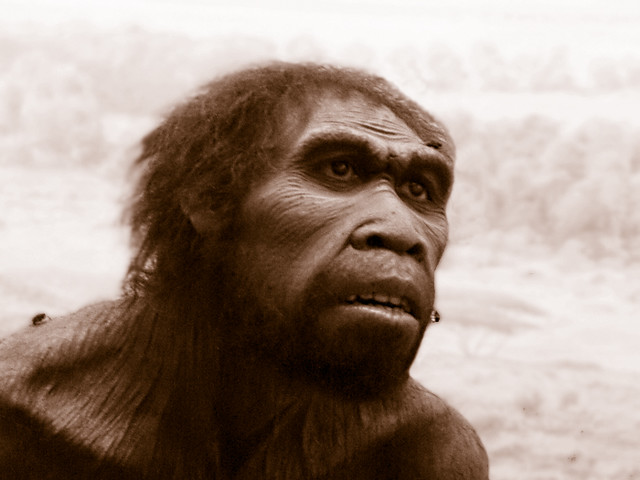
One fascinating aspect of human evolution is that we didn’t just coexist with other species—we also mixed genetically. For example, about 2% of the DNA in modern Europeans comes from Neanderthals.
People in Melanesia carry up to 6% Denisovan DNA. In West Africa, scientists have found traces of a mysterious hominin, contributing as much as 19% of the DNA in some modern populations.
This proves that our relationship with other human species was not just side by side, but also biological. The old idea that species could be defined solely by their inability to interbreed is now being challenged.
Why We Survived
The big question remains: why did only Homo sapiens survive? Several theories attempt to explain this.
First, Homo sapiens had broader and more complex social networks. These allowed for better information sharing, innovation, and support during times of climate crisis or food scarcity. With kinship ties across regions, early humans could migrate without conflict.
Second, Homo sapiens had larger and more genetically diverse populations. Neanderthals and Denisovans lived in smaller groups, making them more vulnerable to disease and environmental changes. High levels of inbreeding also reduced their genetic diversity.
Third, Homo sapiens had superior technological capabilities. Archaeological evidence shows that they were making sewing needles, hunting nets, and woven baskets as early as 35,000 years ago—small innovations that greatly increased their chances of survival.
Extinct or Assimilated?
Some argue that other species didn’t truly go extinct but were instead assimilated. The traces of their DNA in our genome support this theory. In that sense, Neanderthals and Denisovans aren’t entirely gone, they “live on” within us. We might say they didn’t vanish, but merged into Homo sapiens.
However, some species did disappear completely. Homo naledi, for instance, has only been found in one location in South Africa. Homo floresiensis and Homo luzonensis had very limited geographic ranges on remote islands. Isolation, limited resources, and climate shifts may have contributed to their extinction.


