


Long ago, there was a small, golden-brown spice with a warm and sweet aroma that shook the geopolitics of the world. A single nutmeg seed was once more valuable than gold, more coveted than gemstones, and more sought-after than any other resource of its time.
During the 16th and 17th centuries, the world experienced a spice frenzy. In Europe, a handful of nutmeg could be worth its weight in gold. Half a kilogram of nutmeg was even said to be worth as much as seven oxen.
Beyond its use as a kitchen spice, nutmeg was believed to cure deadly diseases like the plague and dysentery, and was even thought to ward off the "Black Death".
In a 14th-century German record, nutmeg was considered so rare and precious that it was believed to have life-saving powers. In the ancient Indian text Caraka Samhita, nutmeg—called jatiphala—was used alongside clove and betel leaf as a breath freshener, as noted in Robin A. Donkin’s 2003 research.
What truly made nutmeg extraordinary was that the nutmeg tree (Myristica fragrans Houtt.) grew naturally only in one place on Earth: the Banda Islands of the Maluku (formerly Molucca) archipelago. This remote region became the center of conflict, global trade, and the beginning of a long era of colonization in the Indonesian archipelago.
So valuable was this small Indonesian island that it was once exchanged for Manhattan—now the heart of New York City.
The Banda Islands Struggle: Monopoly Turned Obsession
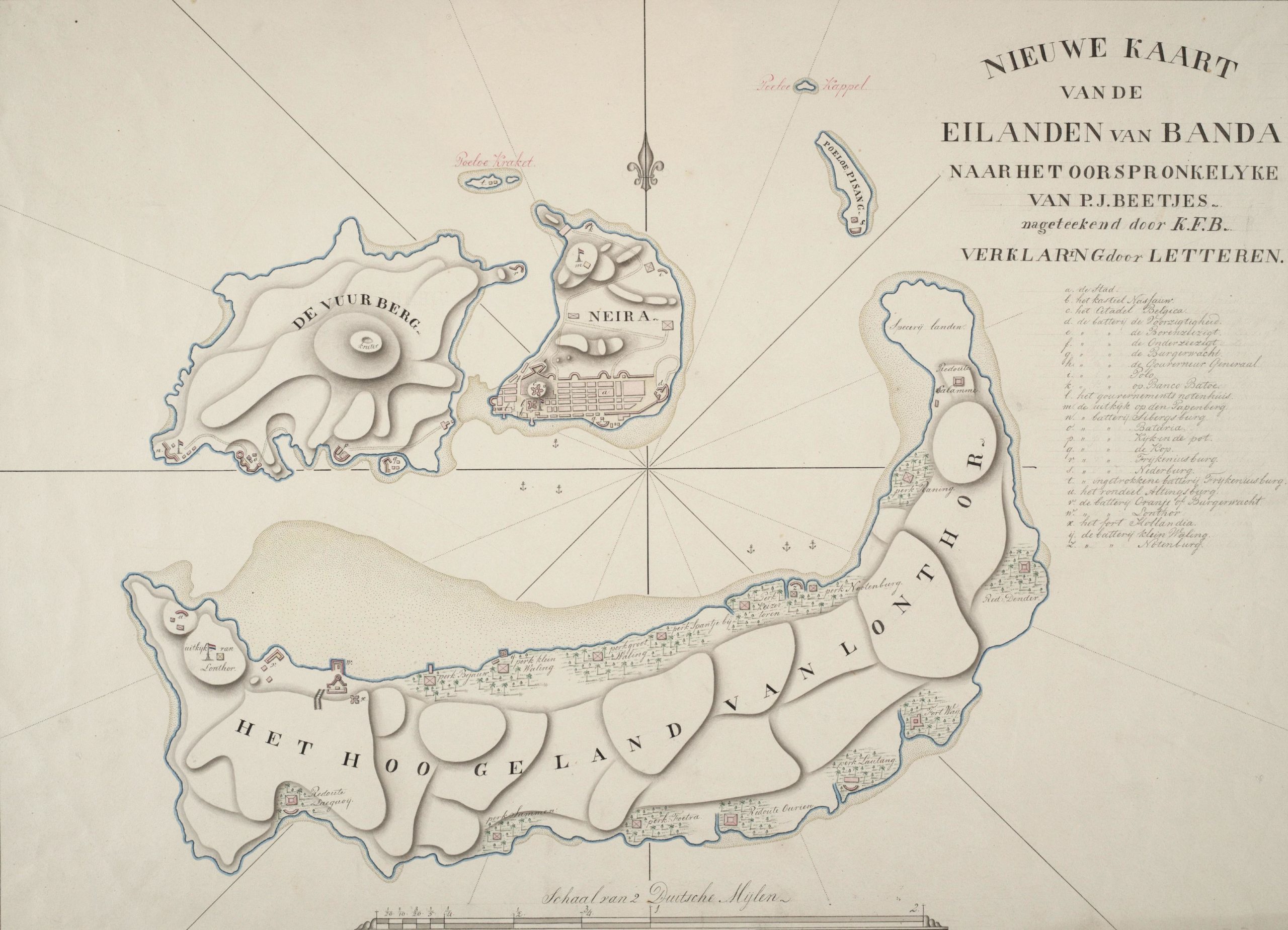
For centuries, Arab, Indian, and Chinese merchants had traded with Banda. But when European powers entered the Age of Exploration, Banda’s spices became more than just a commodity—they became an obsession.
The Portuguese were the first Europeans to arrive in Banda in the early 16th century, followed by the Spanish, British, and ultimately the Dutch. All had one goal: to control the source of nutmeg.
The arrival of the Dutch East India Company also known by its Dutch name Verenigde Oostindische Compagnie (VOC) at the end of the 16th century changed everything. The VOC was not just an ordinary trading company—it was a powerful commercial empire with military force and political authority. Their mission was clear: monopolize the nutmeg trade and eliminate all competition, foreign and local alike.
With a brutal “trade or die” approach, the VOC built fortresses and forced Banda’s inhabitants to sign exclusive trade agreements that heavily favored the Dutch. When resistance emerged, the VOC did not hesitate to use violence. They conquered the Banda Islands one by one—imprisoning, torturing, and ruthlessly subjugating the population.
The 1621 Tragedy: Blood Spilled for Spice
The height of VOC brutality occurred in 1621, under the command of Jan Pieterszoon Coen, the notoriously ruthless Governor-General of the Dutch East Indies. When the people of Banda tried to sell their nutmeg to English, Malay, and Javanese traders—violating the exclusive contract with the VOC—Coen saw it as treason.
Bringing with him Dutch forces and 250 Japanese mercenaries, Coen attacked Banda’s main island, Lontor. In less than a day, he seized control of the area. The surviving locals attempted to negotiate peace, but Coen refused. The island’s elders, known as Orang Kaya, were accused of conspiracy and tortured until they confessed.
Without mercy, Coen ordered them to be beheaded and their bodies quartered. Approximately 93% of Banda’s population was wiped out—killed, exiled, or enslaved. The islands, once home to indigenous communities, were then repopulated with enslaved people from Java and other regions to work on nutmeg plantations now under Dutch control.
This event is recorded as one of the earliest genocides in Indonesia, driven by economic motives. Some Dutch soldiers reportedly refused to follow Coen’s orders and were executed—a fact noted in historical records of Coen’s expedition.
Nutmeg for Manhattan: A Story Hard to Believe
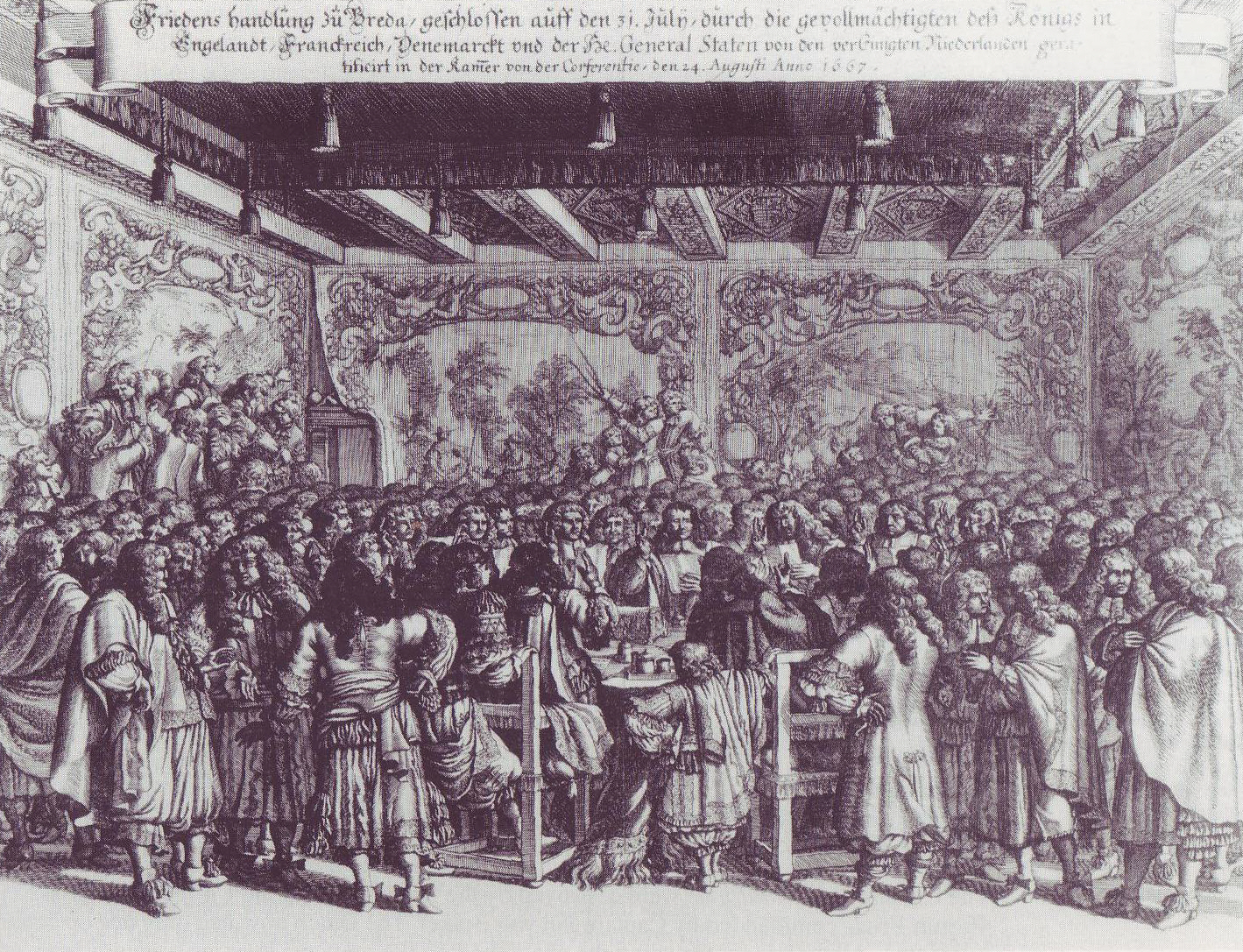
One extraordinary episode occurred in 1667, when the Dutch and the English signed the Treaty of Breda. At the time, the English controlled Run Island—one of Banda’s most nutmeg-rich islands. Meanwhile, the Dutch held Nieuw-Amsterdam, a small colony in North America.
As part of the peace agreement following the Anglo-Dutch War, the two nations agreed to exchange territories: the Dutch ceded Nieuw-Amsterdam to the English, and in return, the English gave up Run Island to the Dutch.
Nieuw-Amsterdam would later be renamed Manhattan, now known as New York City—one of the most influential and valuable cities in the world.
This exchange became the ultimate symbol of nutmeg’s value at the time. A small spice from the tropical Indonesian islands became a form of global diplomacy—equivalent, quite literally, to the future of a major world city.


