


Across the globe, women are playing increasingly significant roles in national defense. While traditionally excluded from combat and command roles, many countries have integrated women into their military forces to a remarkable extent.
From conscription to voluntary enlistment, women in these ten countries have not only joined the ranks but have also risen through them. Here is a look at ten nations where women are making a powerful impact in the military.
1. North Korea

North Korea is believed to have one of the largest percentages of women in its military, with estimates suggesting that women may constitute up to 40 percent of its armed forces.
Military service is mandatory for women between the ages of 18 and 23, and the nation’s militarized society places a strong emphasis on national duty.
While data from North Korea is notoriously difficult to verify, defectors and analysts report that many women serve in front-line and support units alike.
However, they often face harsh conditions, limited rights, and significant gender-based challenges within the rigid structure of the North Korean military.
2. Israel

Israel stands out globally for its integration of women in both combat and leadership roles with mandatory military service for most Jewish and Druze women.
Israel has achieved approximately 33 percent female representation in its military, and women now make up more than half of its officer corps.
Women serve in nearly every branch of the Israel Defense Forces (IDF), including air, sea, and land forces.
In recent years, women have taken on more combat responsibilities, with mixed-gender infantry battalions such as Caracal, Bardelas, and the recently formed tank crews deployed along critical borders.
3. South Africa
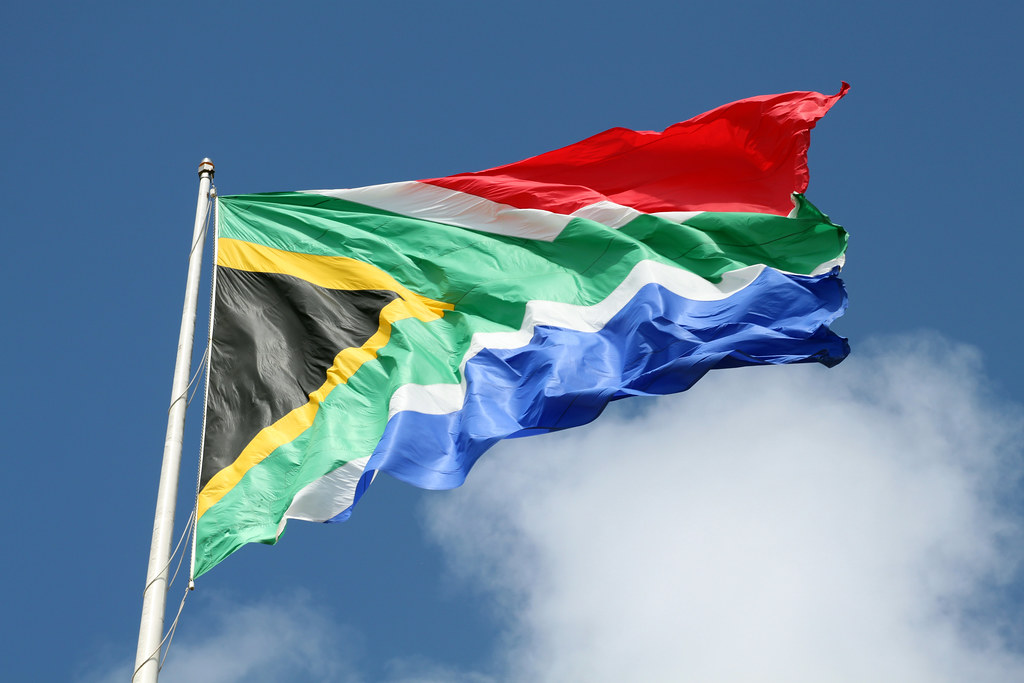
South Africa has made gender equality a cornerstone of its defense policy. Women account for around 30 percent of its armed forces, and legislation promotes equal access to all military roles, including combat.
Since the end of apartheid, the South African National Defence Force (SANDF) has transformed into a more inclusive and representative institution. Women serve not only in technical and medical units but also as commanders, pilots, and naval officers.
The country’s constitutionally enshrined commitment to gender equality has helped support continued progress in integrating women at all levels of military leadership.
4. Hungary

Hungary is one of Europe’s leaders when it comes to female participation in the military, with women making up about 20 percent of its armed forces. All military roles are open to women, including combat positions.
Hungary has adopted various policies to attract women to defense careers, including family-friendly measures and educational incentives.
While challenges related to career progression and representation in high command still exist, Hungary has made notable strides in encouraging women to consider military service as a viable and respected career path.
5. Moldova

In Moldova, women comprise approximately 20 percent of the military, which is a significant figure for a small, post-Soviet country. Though Moldova's military is modest in size, it has embraced reforms aimed at increasing gender inclusion.
Women serve in a variety of capacities, from engineering units to peacekeeping missions abroad. Moldova's efforts to align with NATO standards and improve its military professionalism have led to more training and leadership opportunities for women within its armed forces.
6. Greece
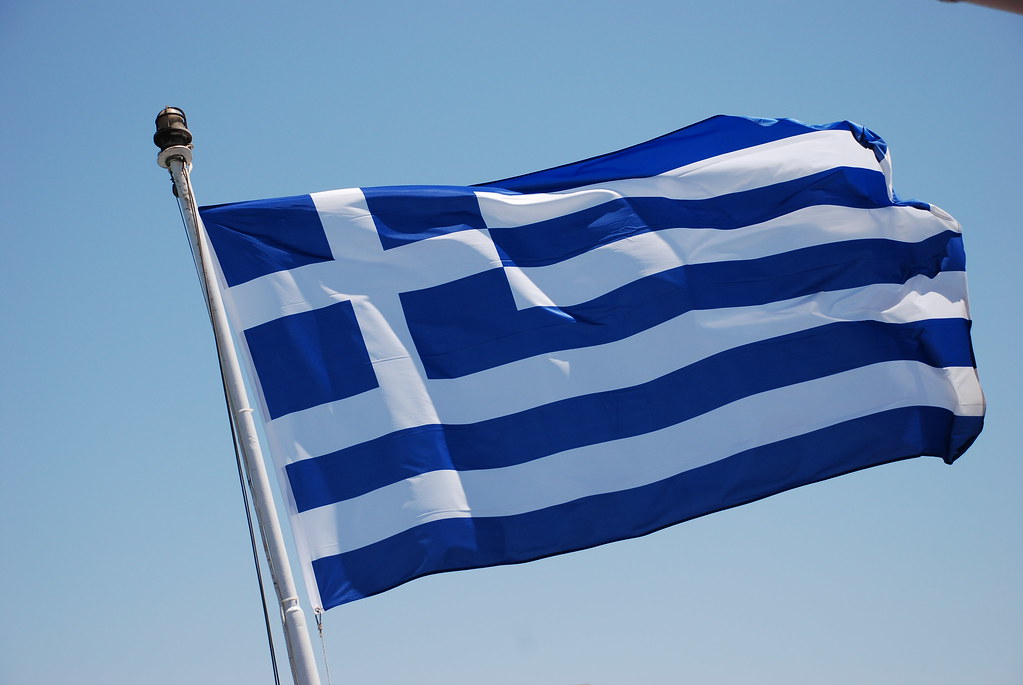
Greece has seen a steady rise in female military participation, with women accounting for nearly 20 percent of the Hellenic Armed Forces.
While military service is compulsory only for men, women can volunteer for service and pursue careers in any branch of the military, including the army, navy, and air force.
Greek women serve in both combat and technical roles and have increasingly taken on senior positions, though cultural and institutional barriers still pose occasional obstacles to full equality.
7. Australia

Australia's defense forces have committed to increasing gender diversity, and women now represent about 19 percent of the Australian Defence Force (ADF).
All combat and non-combat roles are open to women, and the country has invested in recruitment campaigns, mentorship programs, and leadership development. Australian women serve in elite units, fly fighter jets, and command naval vessels.
Despite remaining underrepresented in some areas, especially in frontline combat, women are steadily advancing within the ADF's ranks.
8. New Zealand

New Zealand boasts one of the highest rates of female military participation in the Pacific region, with women making up around 18 percent of its defense forces.
Known for its progressive policies, New Zealand allows women to serve in all roles, including those in special forces and combat positions.
The country has taken active steps to promote gender equality, including anti-harassment training, equal pay initiatives, and parental support policies.
Women have held high-ranking positions and continue to play vital roles in both domestic operations and international peacekeeping.
9. United States
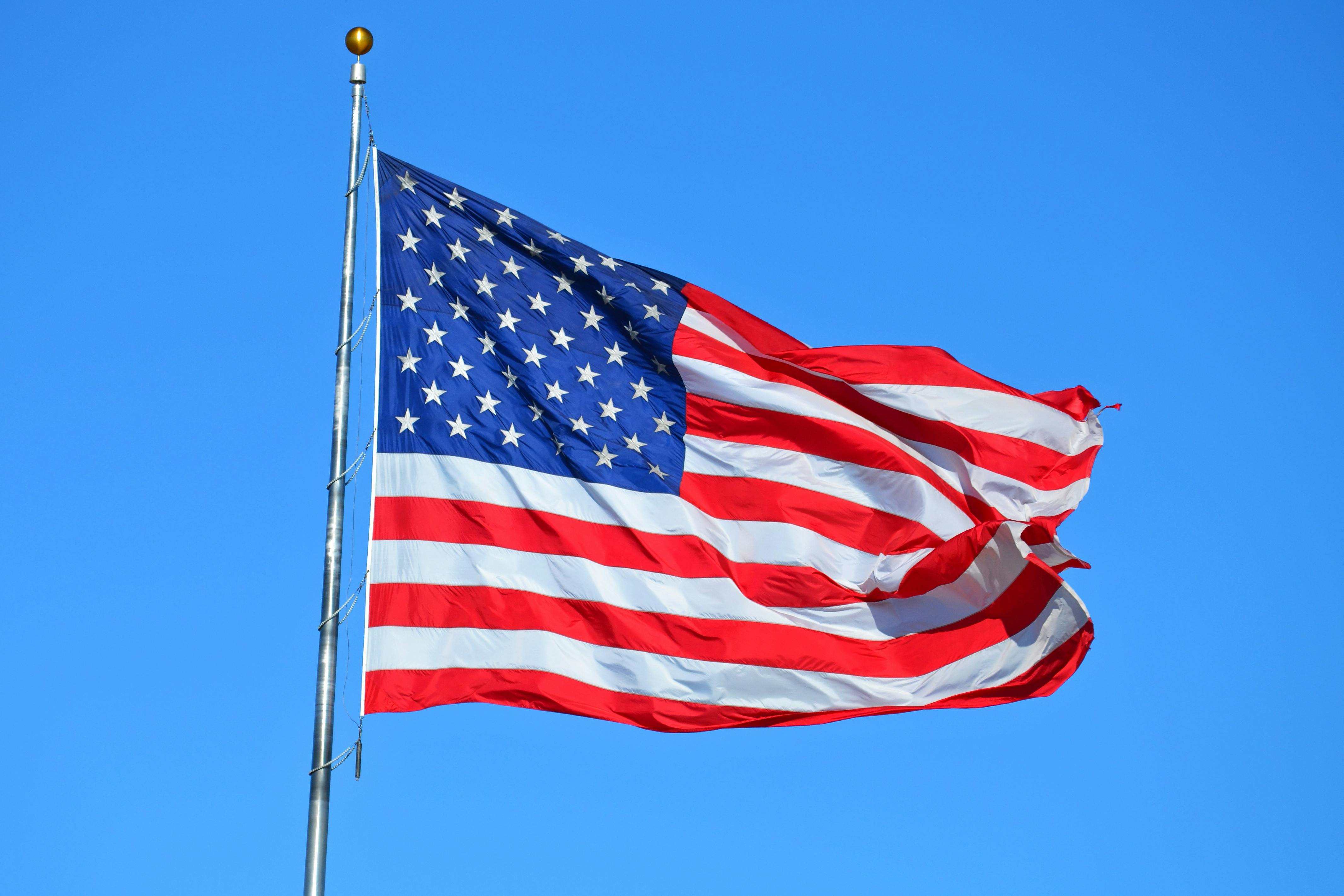
The United States Armed Forces include over 200,000 women, accounting for roughly 17 percent of total active-duty personnel.
Since 2016, all military roles, including front-line combat, have been open to women. Women serve across every branch: Army, Navy, Air Force, Marine Corps, and Coast Guard.
They are pilots, medics, engineers, commanders, and special operations soldiers. Women have also been appointed to the highest military ranks, including four-star generals.
Although challenges around integration and gender discrimination persist, the U.S. military continues to expand opportunities for women.
10. Bulgaria

Bulgaria has one of the highest percentages of women in the military in Europe, with women making up around 20 percent of the armed forces. The Bulgarian military offers equal opportunities for both men and women to serve in any capacity.
Women participate in NATO missions, serve in peacekeeping operations, and have earned leadership roles in various branches of the Bulgarian Armed Forces.
Bulgaria’s push for modernization and alignment with NATO standards has helped facilitate a more gender-inclusive defense environment.


