In Thailand, amulets are more than just decorative accessories. They are deeply embedded in the spiritual and cultural fabric of Thai society. As time passes, these sacred items have gained increasing popularity beyond Thailand’s borders. Here is the list of the most popular Thai amulets among both Thai people and International people.
How Thai People View Amulets
For centuries, amulets have been an essential part of daily life in Thailand. The tradition of wearing, carrying, and worshiping amulets is deeply rooted in Thai society, which is associated with protection, gratitude, family values, history, and religious beliefs.
Thai people believe certain amulets can safeguard them from harm, attract wealth, enhance charm, or bring success in business. These beliefs have been passed down through generations, making amulets highly revered and cherished spiritual items in Thailand.
Top 10 Most Popular Thai Amulets
1. Phra Somdej Amulet
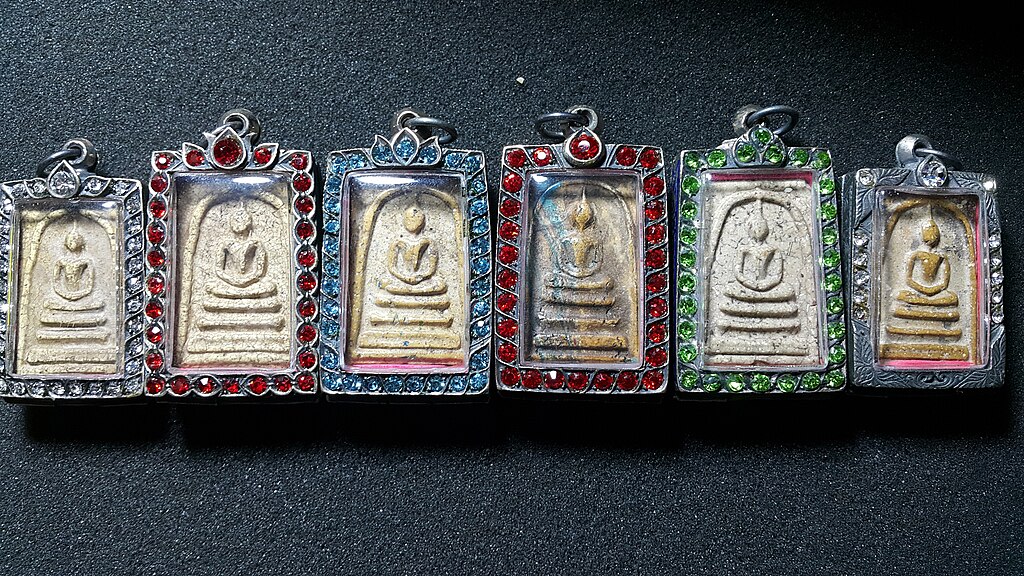
Also known as the “King of Amulets,” Phra Somdej is one of the respected and coveted amulets in Thailand. Created by the revered monk Somdej Toh, it is often associated with inner peace, stability, and personal growth. The amulet is often worn by spiritual practitioners and collectors of amulets. Global icon Jackie Chan was also seen wearing this amulet.
2. Kuman Thong Amulet
Kuman Thong, meaning “Golden Boy” in English, is shaped like a small boy made from milkweed, or gooseberry wood, or metals. Historically, he is the spirit of a baby boy adopted by a shaman who wears a topknot hairstyle and is dressed in a Chong Kraben (a Southeast Asian wraparound cloth).
This amulet is believed to bring protection and prosperity to its owners, and leading entrepreneurs and individuals seeking prosperity and safety often seek this amulet. However, the Kuman Thong amulet requires special treatment, which involves feeding and inviting it to the table as if it were a child, so it will protect the owner from disaster and bring prosperity in return.
3. Yantra Amulet
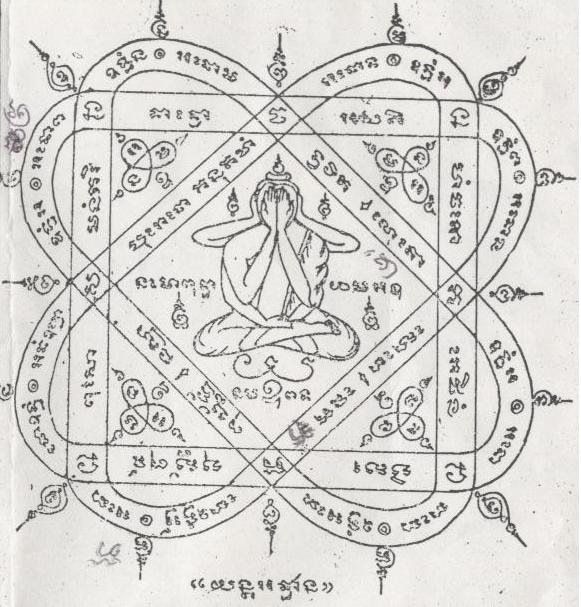
Slightly different from other amulets, Yantra is more versatile. The form of Yantra can be grids, lines, numbers, characters, or pictures composed of ancient Khmer characters. It can be engraved on fabric, wood, metal, or even tattooed on the skin, a practice known as “Yantra tattooing” or “sak yant”. While a “Takrut” is a Yantra engraved on a curled metal.
Celebrities like Angelina Jolie have famously adopted these spiritual tattoos, which are believed to provide confidence, courage, and protection. However, the amulet can only strengthen the morale of those who believe in it, so it requires faith and respect from the people who wear it.
4. Nang Kwak
Nang Kwak is the Thai Goddess of Fortune, depicted as a woman beckoning with her right hand in a traditional Thai costume and accessories. One of the most famous stories about this goddess is that she is the daughter of a merchant family, named Supavadee, who studied and observed under the guidance of two monks and eventually received their blessing.
Rooted in this folklore, her beckoning gesture is a symbol of her blessing and is often displayed in shops to attract customers and increase sales.
5. Palad Khik
While other amulets in the form of humans, the Palad Khik amulet is shaped in the form of a penis of an adult penis made of wood. It is rooted in the story of Trimurti appearing to worshippers, where Brahma appeared with four faces and four arms, Vishnu appeared in deity form, and Shiva only made his masculine aspect visible. This amulet was created to represent these three Gods as they appeared.
The Palad Khik amulet often symbolizes fertility and attraction, and is believed to protect the wearer from harm and misfortune. When worn by children, it is believed to trick ghost into thinking the child is already an adult, safeguarding them from being taken away.
6. Jatukham Rammathep Amulet
It is believed to have been named after two deified princes from the Srivijaya Kingdom. The Jatukham Rammathep amulet symbolizes protection, wealth, and business success. This amulet became the most popular among Thai people in 2007, with proceeds exceeding 40 million Thai Baht.
7. Phra Pidta Amulet
The Phra Pidta amulet features a monk covering his eyes, symbolizing protection from negativity and evil influences, and also presenting peace and inner calm. It is widely believed to offer protection from harm while also attracting wealth and good fortune.
8. Phra Ngang Amulet
The Phra Ngang amulet is regarded as one of the most powerful amulets among the Thai people. It is known for its intense energy, which is easily recognized by its distinctive characteristics, such as Phra Ngang's red eyes. It is worn by individuals seeking protection, empowerment, and strength to overcome challenges.
9. Luang Phor Thuad Amulet
The Luang Phor Thuad amulet honors a legendary monk renowned for his miraculous powers, making it one of the most venerated amulets in Thailand. It is believed to offer protection against accidents, dangers, negative energies, and misfortunes. It is particularly popular among travelers and those seeking personal safety.
10. Luang Phor Koon Amulet
Blessed by the revered monk Luang Phor Koon, this amulet is revered for its ability to attract wealth, health, and generosity. Its distinctive design and spiritual blessings make it a favorite among Thai people and amulet collectors.
These are the most popular Thai amulets, reflecting the country’s rich spiritual heritage. The deep cultural significance and supernatural allure continue to captivate not only Thais but also people worldwide.
Also read: Thailand Amulet Market: An Alluring Spot for Hunting Unusual Mementos
This article was created by Seasians in accordance with the writing rules on Seasia. The content of this article is entirely the responsibility of the author.