


A striking reversal of traditional expectations has emerged from Indonesia's latest national sentiment survey, revealing that the country's younger generation—typically associated with hope and ambition—now exhibits lower optimism levels than their older counterparts. The comprehensive 2025 Optimism Index, conducted by Good News From Indonesia (GNFI) in partnership with GoodStats, presents a sobering portrait of Indonesian society grappling with economic uncertainty, political disillusionment, and global instability.
The nationwide survey, spanning from June 3 to July 3, 2025, involved 1,020 respondents across all Indonesian regions, including Sumatra (21.2%), Java (61.5%), Kalimantan (5.8%), Sulawesi–Papua (7.3%), and Bali–Nusa Tenggara (4.2%). The findings reveal a dramatic shift in national mood that demands serious attention from policymakers and social leaders.
The Great Decline: From Optimism to Neutrality
Indonesia's overall optimism score has experienced a precipitous fall from 7.77 in 2023—categorized as "optimistic"—to just 5.51 in 2025, placing the nation in the "neutral" category. This represents more than a two-point decline on the 10-point Likert scale, signaling a fundamental shift in how Indonesians perceive their future prospects.
According to Wahyu Aji, CEO of GNFI, this neutral positioning reflects "restrained optimism" rather than outright pessimism. The score indicates a population caught between wanting to believe in a better future while being weighed down by daily realities including mass layoffs, rising living costs, concerning political behaviors, and global uncertainties.
The survey employed a contextual approach, ensuring respondents provided thoughtful responses rather than spontaneous reactions. This methodology makes the findings particularly significant, as they represent genuine reflection on current conditions rather than knee-jerk reactions to survey questions.
Economic Pressures: The Foundation of Declining Hope
The economic dimension of the optimism index scored 5.16, reflecting widespread concerns about Indonesia's financial stability. The survey revealed alarming personal experiences that explain this pessimism: 67.6% of respondents witnessed or experienced layoffs within the past six months, while 55.8% reported feeling "very significant" increases in basic commodity prices.
Perhaps most telling, 33.8% of respondents acknowledged that their household income had decreased during this period. These statistics paint a picture of economic stress at the household level that contradicts official economic growth narratives. The combination of job insecurity, inflation, and declining incomes creates a perfect storm of financial anxiety that directly impacts national optimism.
Within the economic dimension, purchasing power received the highest score (5.68), suggesting some hope for consumer recovery. However, employment opportunities (4.85) and overall economic growth stability (4.95) both scored in the pessimistic range, indicating deep concerns about structural economic issues.
Political Disillusionment: The Lowest-Scoring Dimension
Politics and governance emerged as the most pessimistic dimension, scoring just 3.87—firmly in the pessimistic category. This continues a troubling trend, as political dimensions have consistently ranked lowest in GNFI's optimism surveys since their inception.
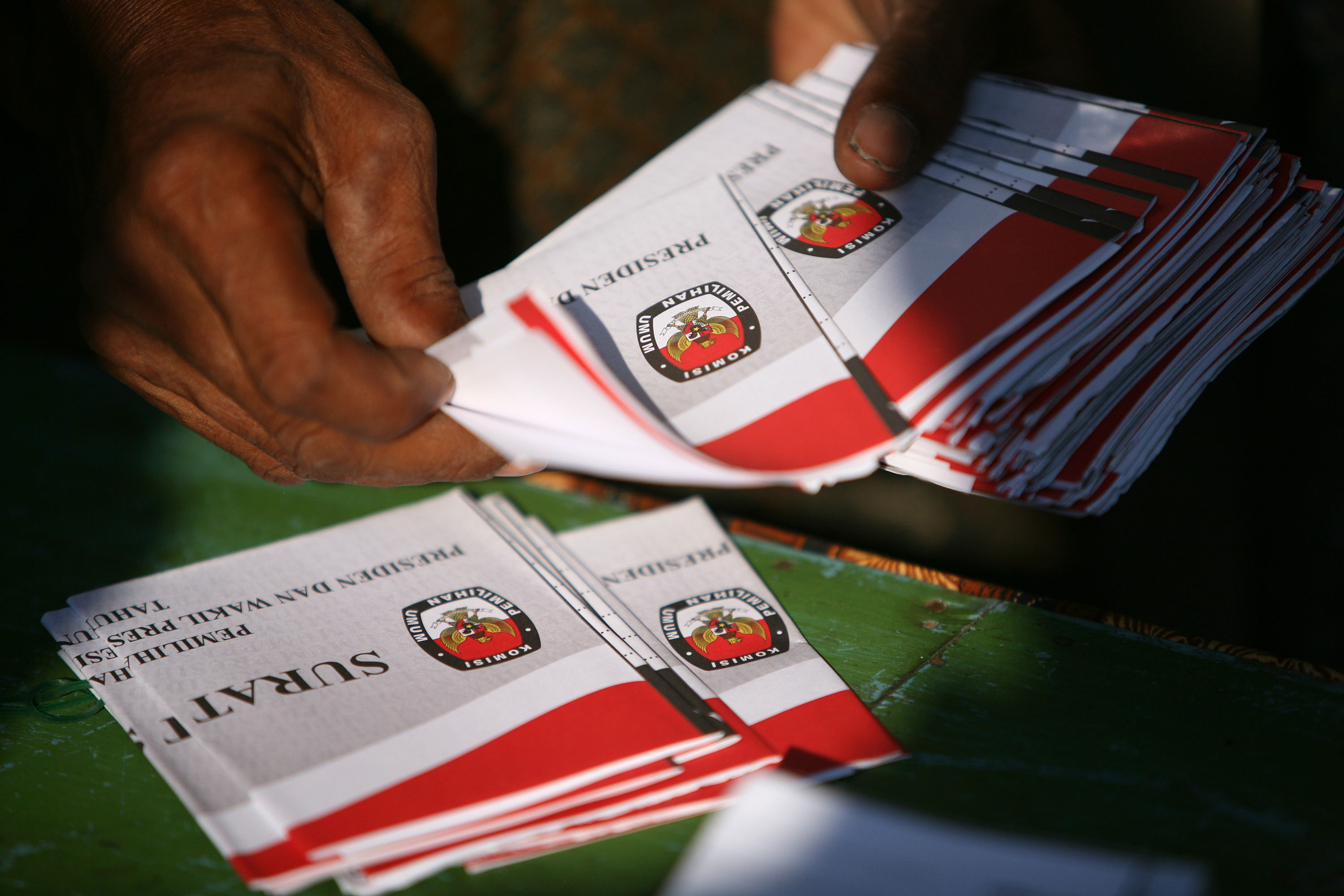
The political pessimism is comprehensive: 67.4% of respondents expressed pessimism about corruption reduction, 60.1% doubted government transparency improvements, and 53.3% were pessimistic about expanded public participation in policy-making. These findings suggest that despite recent political transitions and reform promises, public trust in political institutions remains severely damaged.
This persistent political pessimism should serve as "a harsh alarm for political elites to become exemplars of integrity and rebuild public trust," according to the survey analysis. The data suggests that political rhetoric about reform has not translated into credible change in public perception.
The Youth Paradox: Why Young Indonesians Are Most Pessimistic
Perhaps the survey's most striking finding challenges conventional wisdom about generational attitudes toward the future. The 17-25 age group recorded the lowest optimism score (5.45), while the 46-55 age group achieved the highest score (6.21). This represents a significant anomaly where older generations—typically associated with realism and life weariness—display greater optimism than young people who should theoretically be full of ambition and idealism.
Several factors contribute to this generational reversal. Young Indonesians face unprecedented challenges including economic instability, highly competitive job markets, and global uncertainty. They also demonstrate greater critical thinking toward systems they perceive as failing to meet their expectations. Unlike older generations who may have experienced worse conditions in the past, young people measure current conditions against higher expectations for progress and reform.
The survey data shows a clear progression: optimism scores increase steadily with age, rising from 5.45 (17-25 years) to 5.63 (26-35 years), 5.77 (36-45 years), 5.94 (56+ years), and peaking at 6.21 (46-55 years). This pattern suggests that life experience and historical perspective may provide resilience that younger generations have yet to develop.
Bright Spots: Culture and Innovation Provide Hope
Despite widespread pessimism, two dimensions maintain optimistic scores: Culture and Creativity (6.75) and Technology and Innovation (6.69). These represent the survey's highest-scoring categories, suggesting that Indonesians maintain confidence in their cultural assets and innovative capabilities.

An impressive 70.2% of respondents expressed optimism about Indonesian culture gaining international recognition, while 66.8% believe young people will lead digital innovation. These findings indicate that despite economic and political concerns, Indonesians recognize their nation's soft power and technological potential as sources of competitive advantage.
The strong performance of these dimensions suggests that cultural identity and innovative capacity serve as psychological anchors during uncertain times. They represent areas where Indonesia can build confidence while addressing more challenging economic and political issues.
Social Cohesion and Global Challenges
Social and Tolerance scored 6.06, indicating cautious optimism about Indonesia's diversity management. Respondents showed confidence in improving tolerance between groups and advancing gender equality, though concerns about social media behavior remained significant.
Geopolitics and International Relations scored 5.30, reflecting anxiety about global conflicts' impact on national welfare. With 45.5% of respondents pessimistic about avoiding negative impacts from global conflicts, this dimension highlights how international uncertainty affects domestic optimism.
Implications and the Path Forward
The 2025 Optimism Index reveals that national optimism is not a static resource but a fluctuating social capital that requires careful cultivation. As GNFI's analysis concludes, optimism serves not merely as a psychological attitude but as a "strategic capacity of the nation" during uncertain times.
The survey's findings demand responsive policies, credible leadership, and realistic hope narratives rather than empty rhetoric. The data particularly emphasizes the need to address young people's concerns through meaningful economic opportunities and political reforms that restore faith in institutional integrity.
Understanding these optimism patterns becomes crucial for policymakers seeking to rebuild national confidence. The survey demonstrates that while Indonesians haven't abandoned hope entirely, their expectations have become more tempered by reality—a development that could either lead to more pragmatic progress or deeper disillusionment, depending on how leaders respond to these clearly articulated concerns.


