


Nobel Prize is one of the most prestigious awards in the world. Created by the inventor of dynamite, Alfred Nobel, earning this award could be the highest achievement in someone’s life.
Here are countries around the world that have produced the most Nobel Prize winners over the years.
1. United States

The United States stands well ahead of all other nations, boasting around 423 Nobel Prize recipients from 1901 through 2024. This lead reflects the country's sustained investment in scientific research, higher education, literature, economics, and peace initiatives.
The U.S. has attracted international talent and invested heavily in universities, think tanks, and research institutions, creating a powerful ecosystem where Nobel‑level achievements flourish.
2. United Kingdom

Rich in academic tradition, the United Kingdom holds the second-highest total, with approximately 138–143 laureates. The range depends on counting methods used by sources, but it remains firmly in second place.
UK laureates span literature, physics, chemistry, economics, and peace. Institutions like Oxford and Cambridge have contributed greatly, alongside a tradition of global scholarship and cultural influence.
3. Germany

Germany claims the third spot, with around 115 Nobel laureates credited to it. Notably, Germany once led Nobel-winning nations historically, especially up until the mid–20th century.
Its legacy in physics, chemistry, and medicine is particularly strong, underpinned by a historic network of research universities and laboratories that produced luminaries like Einstein, Heisenberg, and others.
4. France

France is in fourth place, with approximately 76 Nobel laureates across the prize categories. French laureates are celebrated in literature, physics, chemistry, and peace.
The country's storied intellectual traditions, epitomized by figures like Marie Curie, Jean‑Paul Sartre, and more, reflect its vibrant academic and literary culture.
5. Sweden

Sweden, as the birthplace of the Nobel Prize, holds fifth place with about 34 laureates. Nobel recipients from Sweden span across disciplines, including peace, science, and medicine.
The country’s investment in strong academic institutions and a supportive research environment have fostered noteworthy accomplishments.
6. Russia

Taking the sixth position is Russia (including the Soviet era), with approximately 30 Nobel laureates. Many laureates emerged during the Soviet Union’s substantial emphasis on scientific advancement. Recipients are recognized in physics, chemistry, literature, and peace.
7. Japan

Japan stands seventh, with around 29–31 Nobel Prize winners. Japanese scientists and scholars have achieved global recognition, particularly in physics, chemistry, and medicine. The post‑World War II emphasis on scientific innovation and technology fostered this success.
8. Canada
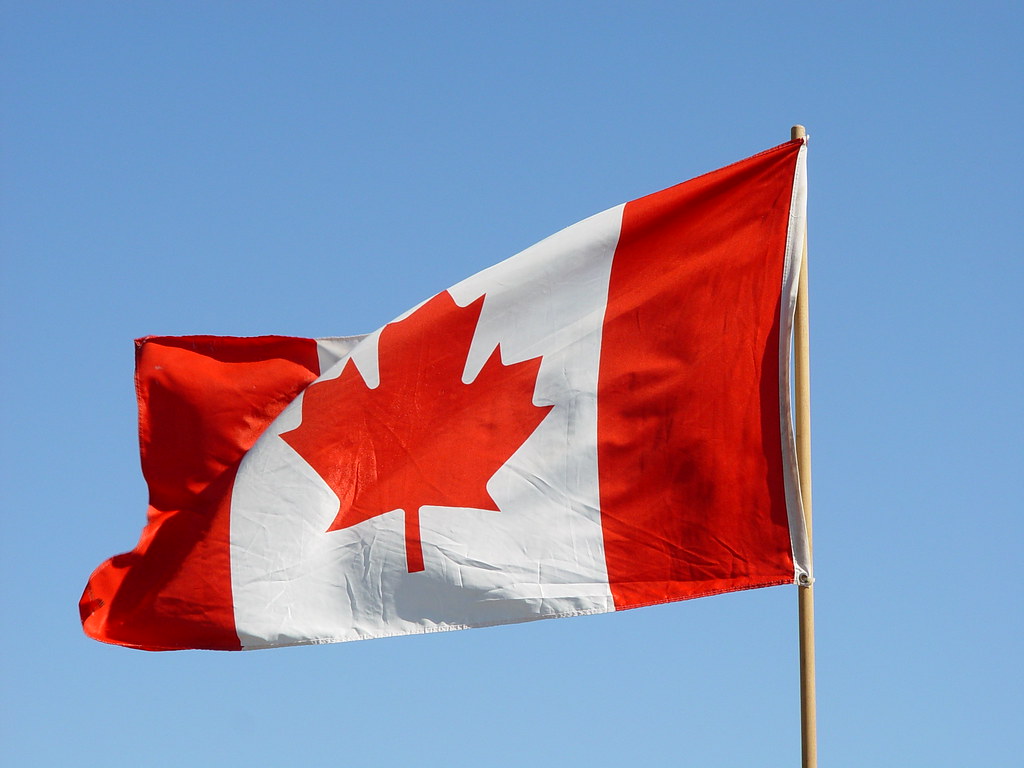
Canada comes in eighth, with about 27–28 Nobel laureates. Canadian winners are represented in fields such as physics, medicine, economics, and literature.
Institutions like the University of Toronto and McGill University, alongside a welcoming atmosphere for scholars, have facilitated such achievements.
9. Austria

Ninth on the list is Austria, with approximately 25 Nobel Prize winners. Austria’s contributions are notable in literature, peace, and the sciences.
Despite its small size, the nation’s rich cultural heritage and intellectual traditions have produced a disproportionately strong Nobel record.
10. Switzerland

Switzerland shares the ninth-tenth tier (depending on how ties are counted), with around 25–28 laureates. Swiss laureates have been recognized in physics, chemistry, medicine, and peace.
Supportive academic institutions like ETH Zürich and EPFL, and the country's neutrality attracting global scientists, contribute to its success.


