


The Kurds are one of the world’s largest ethnic groups without a country to call their own. Numbering between 30 to 40 million people, they are spread across the Middle East, where they have faced decades of political repression, cultural marginalization, and armed conflict.
Despite these challenges, the Kurdish people have maintained a strong sense of identity, language, and cultural tradition. We will explore the complex history, political struggles, and enduring resilience of the Kurds, the largest stateless community in the modern world.
Who Are the Kurds?
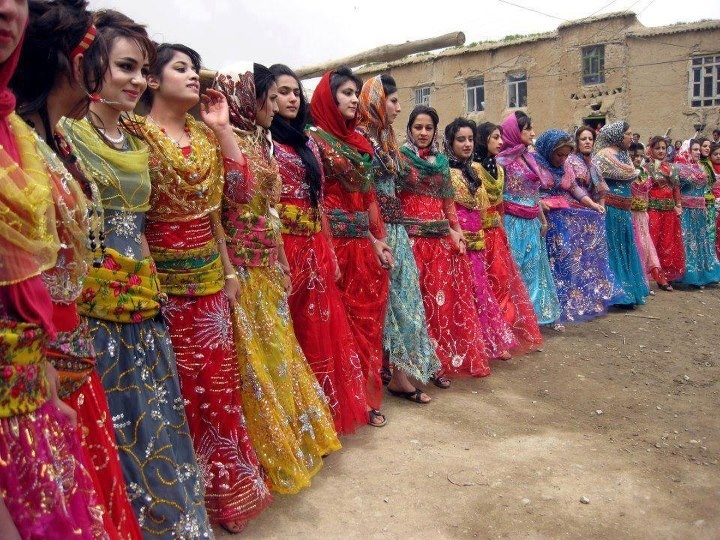
The Kurds are an ethnic group indigenous to the Middle East. Despite being one of the largest ethnic communities in the world, they remain stateless, without a recognized sovereign homeland of their own.
The majority of Kurds live across four countries: Turkey, Iraq, Iran, and Syria, in a mountainous region often referred to as “Kurdistan.”
Their language, Kurdish, has multiple dialects such as Kurmanji, Sorani, and Zazaki, and their culture is rich with distinct traditions, music, literature, and dress.
While the Kurds share common ethnic and linguistic roots, they are religiously diverse. Most are Sunni Muslims, though significant numbers belong to other religious groups including Shia Islam, Yazidism, Christianity, and Alevi sects.
This religious plurality adds to their complex identity in a region where religious and ethnic divisions often intertwine with political conflict.
A History of Marginalization

The modern plight of the Kurds began with the collapse of the Ottoman Empire after World War I. The 1920 Treaty of Sèvres proposed the possibility of an independent Kurdish state, but it was never implemented.
Instead, the Treaty of Lausanne in 1923 recognized the new borders of Turkey and excluded any provision for Kurdish autonomy or independence. This decision effectively divided the Kurdish population among the new states of Turkey, Iraq, Iran, and Syria.
Over the following decades, Kurdish communities in each country faced various degrees of repression. In Turkey, the use of the Kurdish language in public spaces was banned for many years, and any political movement advocating Kurdish rights was often met with state violence.
In Iraq, under Saddam Hussein, the Kurds experienced severe oppression, culminating in the 1988 Anfal campaign which saw chemical attacks and mass killings.
In Iran and Syria, while the levels of repression varied, Kurdish political movements were generally suppressed, and cultural expression tightly controlled.
Kurdish Political Movements

Despite being stateless, Kurds have continually organized themselves politically. In Iraq, the most notable development came after the Gulf War in 1991, when a no-fly zone helped pave the way for the establishment of the Kurdistan Regional Government (KRG).
Today, the KRG enjoys a degree of autonomy under the Iraqi constitution and operates with its own parliament, security forces (the Peshmerga), and economic policies.
In Turkey, the Kurdistan Workers' Party (PKK) emerged in the late 1970s as a militant organization seeking Kurdish independence. Decades of armed conflict with the Turkish state have resulted in tens of thousands of deaths.
While the PKK remains classified as a terrorist group by Turkey, the U.S., and the EU, it has evolved ideologically over the years, advocating more recently for democratic autonomy rather than full independence.
In Syria, the outbreak of civil war created an opportunity for Kurdish forces to assert control over northern regions. The Syrian Democratic Forces (SDF), a Kurdish-led coalition, have become a key U.S. ally in the fight against ISIS.
The areas under Kurdish control in Syria, collectively known as Rojava, have attempted to implement a unique form of decentralized, gender-equal governance, although their future remains uncertain amid regional hostilities.
Cultural Resilience

Despite decades of marginalization, Kurdish culture has shown remarkable resilience. Kurdish music, poetry, and dance remain central to the community’s identity.
New generations of Kurdish writers and filmmakers are gaining recognition internationally, often focusing on themes of resistance, exile, and identity.
The celebration of Newroz, the Kurdish New Year that falls on March 21st, serves as a powerful symbol of national unity and cultural pride.
The Ongoing Struggle for Recognition

Today, the Kurdish people continue to fight for recognition, rights, and, in some cases, independence.
While full statehood remains elusive, many Kurds advocate for federalism, cultural rights, and political participation within existing states. However, they face significant challenges.
Regional powers often view Kurdish aspirations with suspicion, fearing separatism and instability. The international community has typically been reluctant to support Kurdish independence, prioritizing relationships with established states.
The Kurdish referendum for independence in Iraqi Kurdistan in 2017 was a watershed moment, with 93% voting in favor. Yet the move was opposed not only by Baghdad but also by neighboring countries and much of the international community.
The aftermath saw the Iraqi government reassert control over disputed areas, highlighting the fragile nature of Kurdish autonomy.


