


Please, for the sake of your stomach and your taste buds, never recklessly jump into the highest spice level in Indonesia… unless you’re ready to sign a peace treaty with your own body.
If you’re thinking, “Ah, it’s just chili,” think again. Here, spiciness isn’t just a flavor—it’s a test of courage, stamina, and even pride. It’s so extreme that your stomach might wave the white flag long before your tongue manages to say “spicy.”
Sambal: A Fiery Legacy
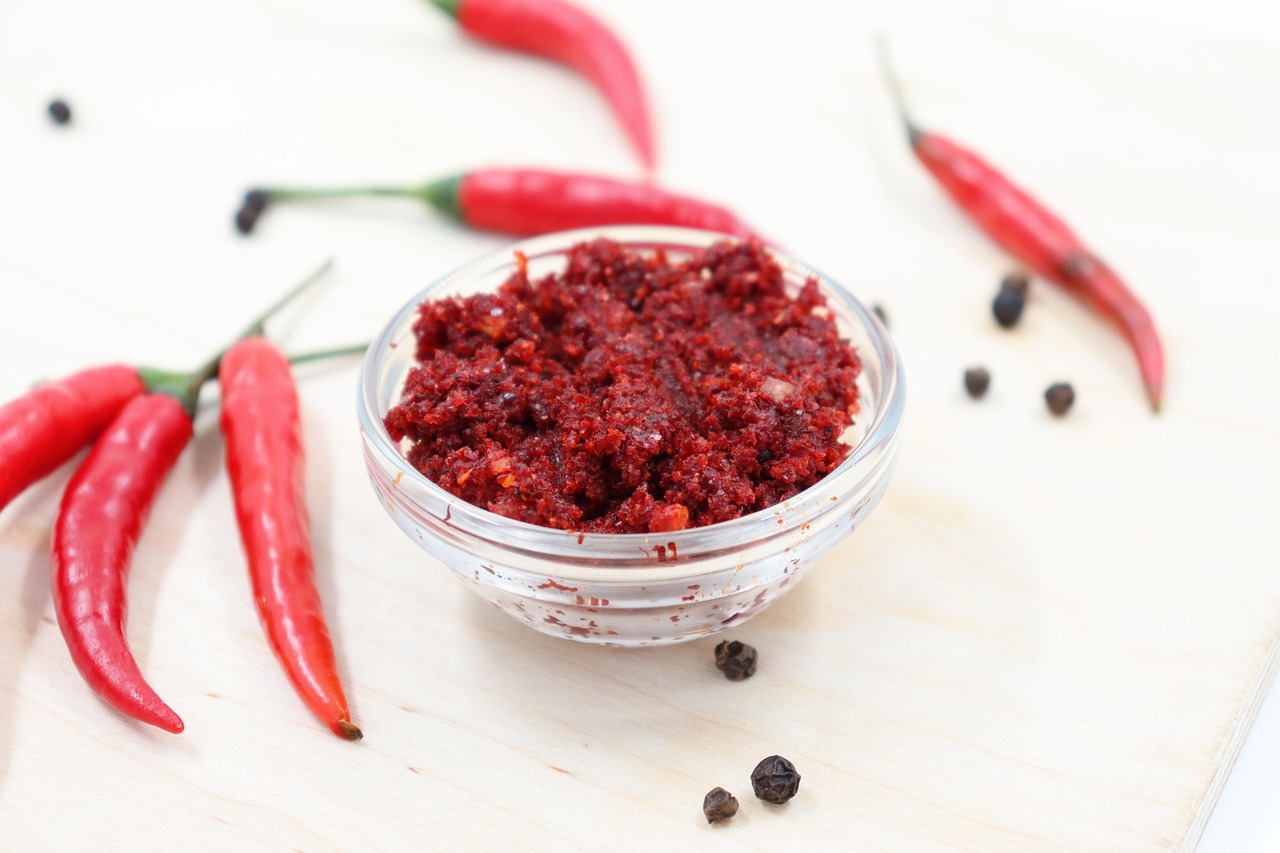
Indonesia doesn’t just have sambal, they have an entire kingdom of it. According to the Center for Food and Nutrition Studies at Universitas Gadjah Mada, there are 322 types: 119 raw and 138 cooked. From Bali’s fresh, aromatic sambal matah, to Java’s bold, smoky sambal terasi, to North Sulawesi’s explosive sambal dabu-dabu that feels like fireworks in your mouth.
For Indonesians, sambal isn’t just a condiment—it’s culture, tradition, and chili tolerance training since childhood. Just a spoonful measuring 50,000–100,000 SHU is enough to make anyone wonder: “Why am I doing this to myself?”
Spice Is Training, Not Recklessness
Scientifically, spiciness triggers the TRPV1 receptors on your tongue—the amount varies from person to person. But tolerance can be built. Like exercise, the more you train, the stronger you get against chili’s fiery “assault.”
And Indonesians? They’re spice athletes from birth—not with milk in their baby bottles, but sambal.
Even Japan Raises the White Flag
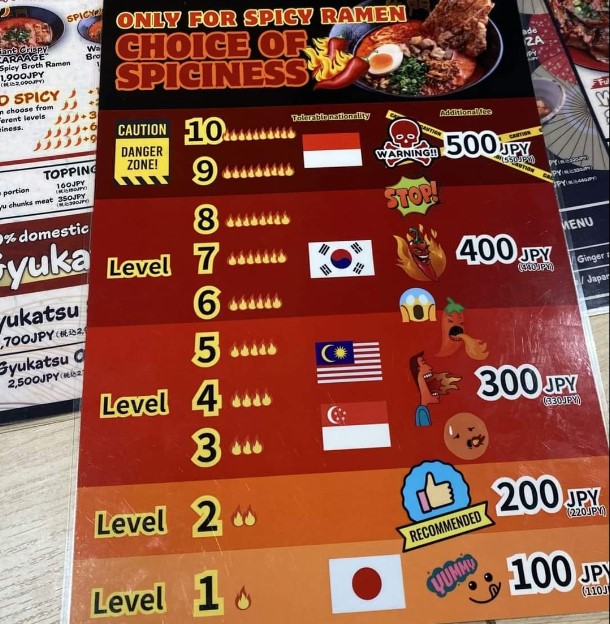
In Tokyo, Gyumon Ramen labels spice levels 9 and 10 as the “Danger Zone”—marked with an Indonesian flag. The chef himself was stunned when Indonesians casually said the broth wasn’t spicy enough.
The Fiery Inferno of Jakarta
But you don’t need to go to Japan to taste the extreme. In Jakarta, Fujiyama 55 serves the infamous Shinigami Ramen, its broth brewed with the world’s hottest chili, the Carolina Reaper, topped with whole chilies for good measure.
Many don’t survive beyond the first spoonful. If Tokyo calls it the “Danger Zone,” Jakarta takes it a step further: “Welcome to Hell.”
Nusantara’s Spicy Scoreboard
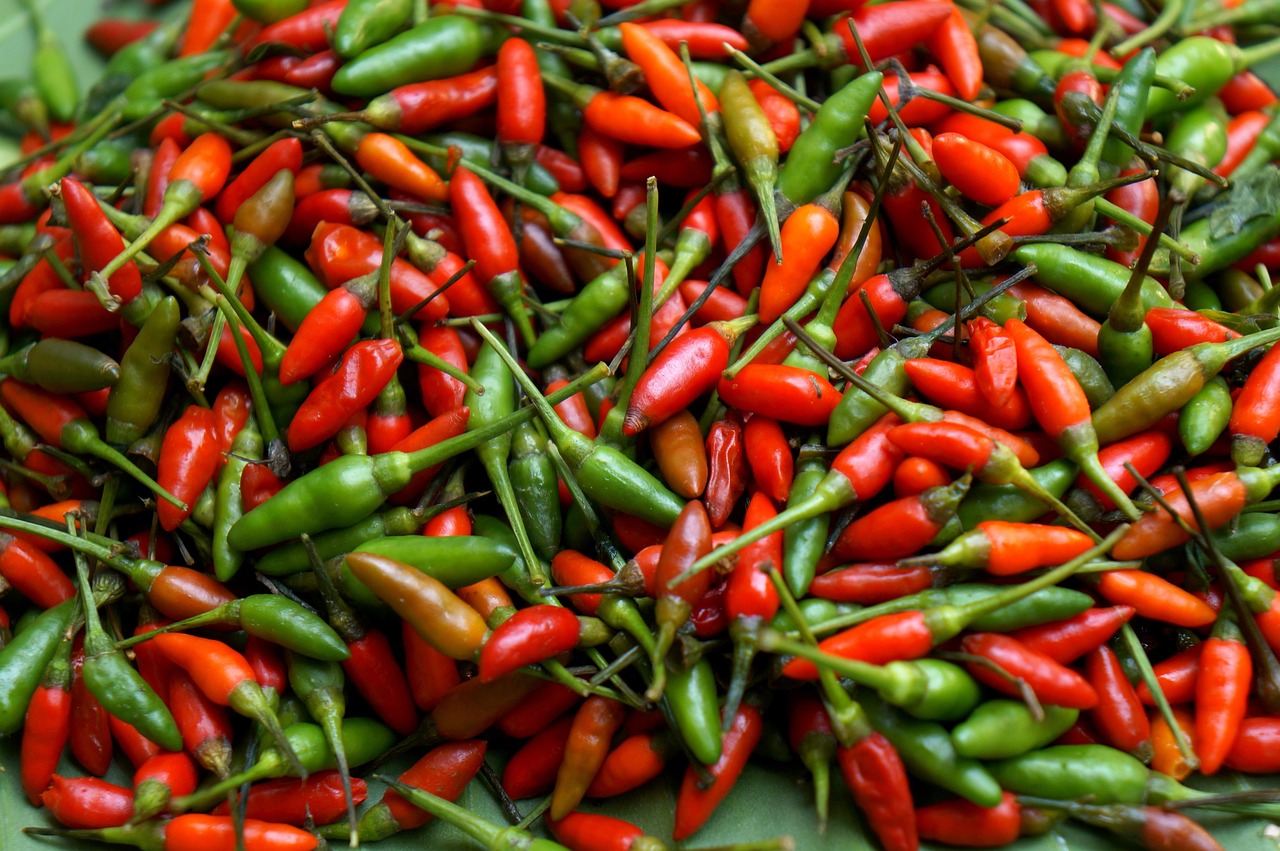
Indonesia is a paradise of chilies and a battlefield for spice lovers. From a gentle warmth that tingles on your lips to explosive heat that can burn through your ambitions, here’s the ranking of Indonesia’s fiery champions based on the Scoville Heat Unit (SHU):
- Red bird’s eye chili (cabai rawit merah): 50,000–100,000 SHU
- Large red chili (cabai merah besar): 30,000–50,000 SHU
- Local habanero, “cabai gendot”: 210,000–350,000 SHU
- Kalimantan bird’s eye chili (cabai rawit Kalimantan): ~480,000 SHU
- Katokon chili from Toraja (cabai Katokon): ~500,000 SHU
- Hiyung chili from South Kalimantan (cabai Hiyung): 1,417,500 SHU — more than 14 times hotter than regular bird’s eye chili.
Keep in mind, extreme spiciness isn’t just about a burning tongue. Excessive capsaicin can cause stomach cramps, dizziness, even nausea. So, if you’re not 100% ready, it’s wiser to take a step back. Spicy is fun, but the safety of your organs comes first.