


Human history is often taught and understood through written records, documents, inscriptions, literature, and legal texts that chronicle the lives, decisions, and events of past civilizations. However, written language only emerged around 5,000 to 6,000 years ago.
Given that Homo sapiens have existed for roughly 300,000 years, this means that more than 97% of human history passed without any form of written record.
This vast, undocumented era is sometimes referred to as “prehistory,” and although it encompasses the majority of our species' existence, it remains largely shrouded in mystery.
The Huge Shadow of Prehistory

Modern humans first appeared in Africa around 300,000 years ago. For tens of thousands of generations, our ancestors lived, adapted, migrated, formed societies, developed languages, cultivated land, and created art, all without writing anything down.
The absence of writing doesn’t mean the absence of culture or civilization; rather, it means we lack direct accounts of how early humans lived and thought. Their stories, beliefs, conflicts, and inventions have mostly vanished, leaving behind only fragmentary clues buried in the earth.
Archaeologists and anthropologists work tirelessly to piece together this immense span of time using tools like carbon dating, DNA analysis, and the study of artifacts and fossils. Still, their findings represent only a fraction of the lives lived and experiences endured by early humans.
The further back we go, the more we rely on interpretation rather than certainty. This is why much of early human history is described in probabilities and theories rather than concrete facts.
The Invention of Writing
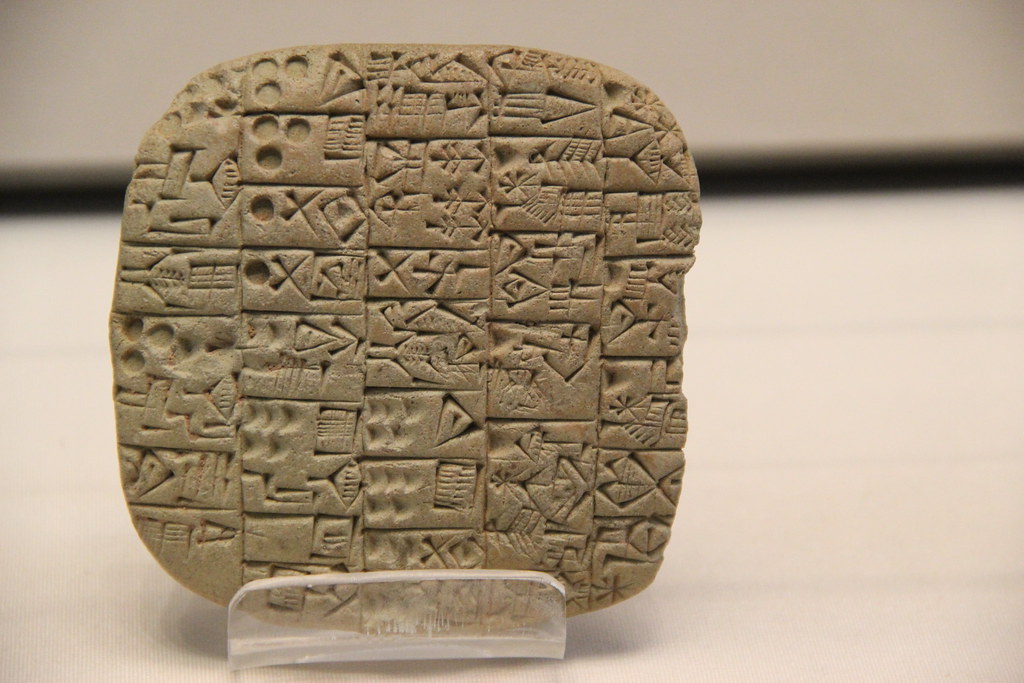
Writing is a relatively recent development in human history. The earliest known systems, such as Sumerian cuneiform in Mesopotamia and Egyptian hieroglyphs, appeared around 3200 BC.
These systems were initially created for practical reasons, like keeping track of trade, laws, and taxes, rather than for storytelling or preserving historical events.
It took centuries before writing was widespread and used for recording culture, philosophy, and daily life. Moreover, literacy was typically limited to a small elite in most ancient societies.
This means even after the invention of writing, much of the world’s population remained outside the historical record for millennia. Oral traditions helped preserve stories and knowledge, but many of these were eventually lost or transformed beyond recognition.
Completely Lost Civilizations
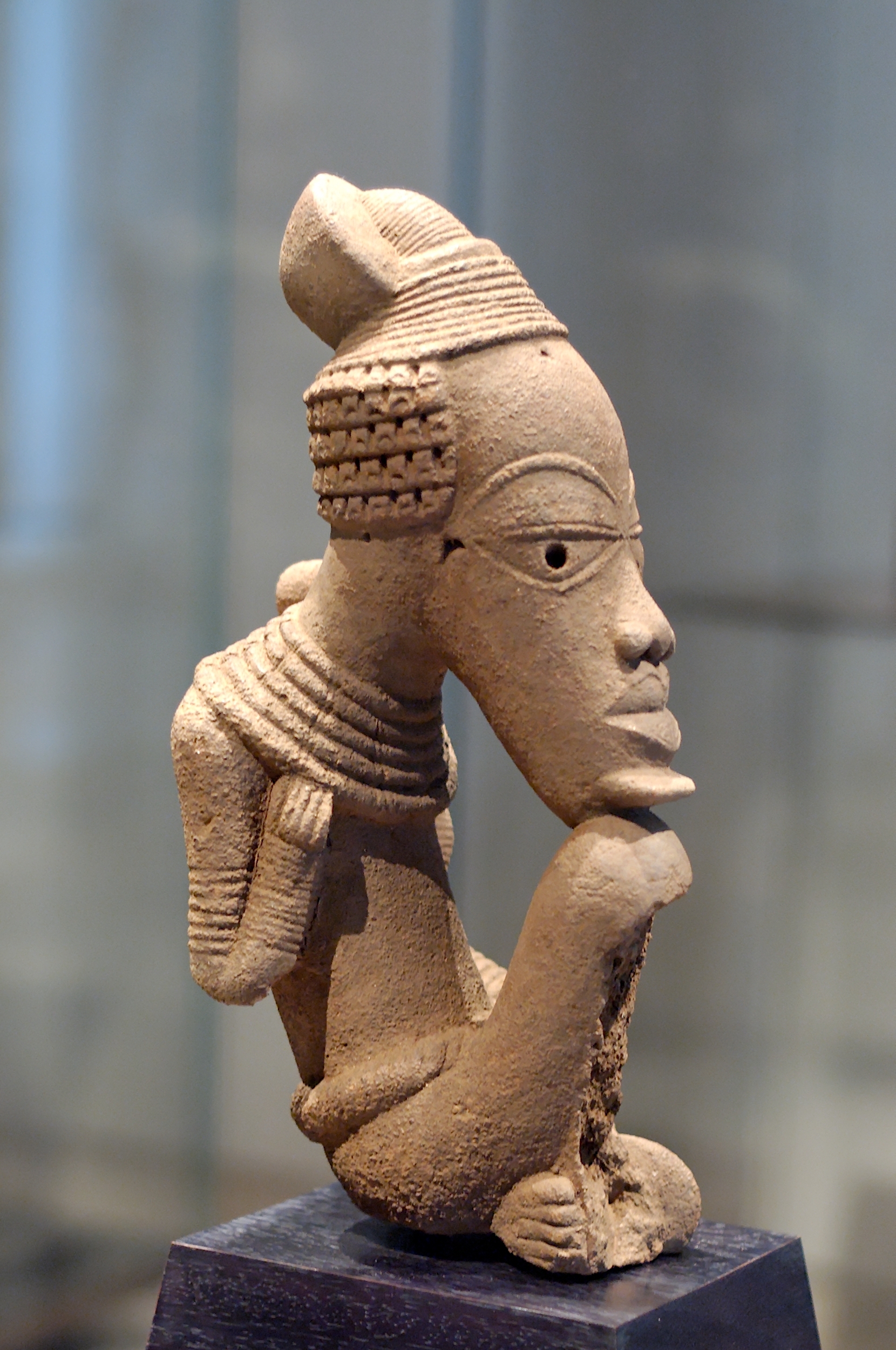
Many early cultures and societies flourished without ever developing writing systems. Across Africa, the Americas, Oceania, and parts of Asia, countless civilizations left behind monumental architecture, intricate tools, agricultural practices, and religious rituals, but no written language.
The Olmec civilization of Mesoamerica, for instance, existed centuries before the Maya began recording glyphs. Similarly, Great Zimbabwe and other African kingdoms thrived for generations without written documentation.
This presents a major challenge to modern historians and reinforces the imbalance in how we perceive ancient history.
Literate societies, such as those in Mesopotamia, Egypt, Greece, and China, dominate our understanding of the past, not necessarily because they were more advanced, but because they left behind written evidence.
As a result, entire regions and populations are often underrepresented in the historical narrative simply because their stories weren’t written down.
The Problem with Written History
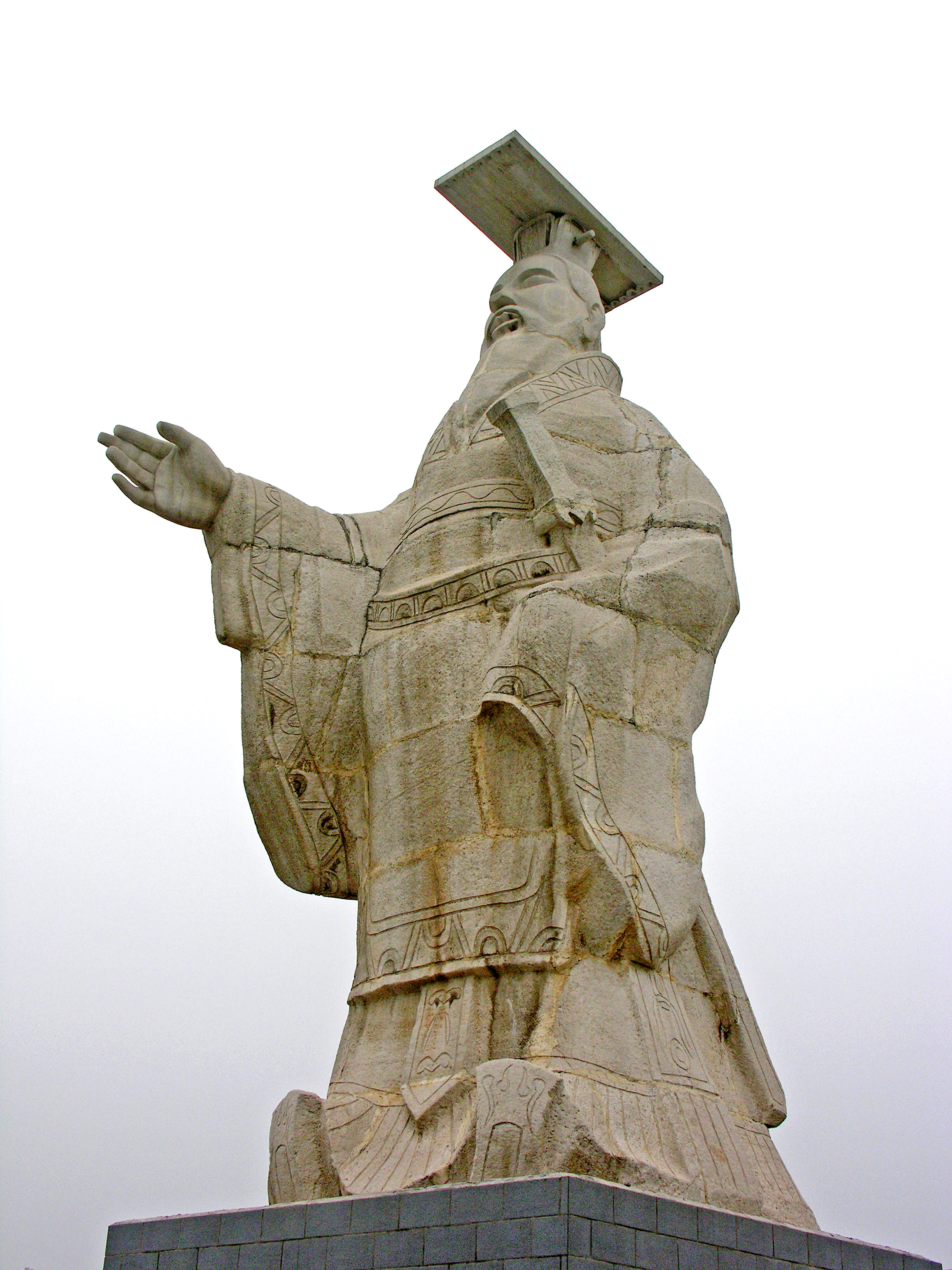
Even within the small fraction of human history that has been recorded, written texts are not always objective or complete. They often reflect the perspectives of those in power, kings, priests, and scribes, while ignoring the lives of ordinary people.
Historical documents can be biased, propagandistic, or sanitized to serve political or religious agendas. Thus, relying solely on written sources creates a distorted view of the past, one that privileges elites and marginalizes the voices of the majority.
In contrast, archaeological evidence, though more limited in scope, offers a more democratic view of history. Tools, dwellings, burial sites, and cave art reveal aspects of everyday life, spirituality, and creativity among people who left no written legacy.
Recovering the Lost Tapestry

In recent decades, advancements in science and technology have allowed researchers to uncover more about prehistoric life than ever before.
Genetics, for example, has revolutionized our understanding of ancient human migration, interbreeding with Neanderthals and Denisovans, and the spread of agriculture.
Linguistic studies, oral traditions, and comparative mythology also help reconstruct aspects of prehistoric belief systems and cultural practices.
Still, these discoveries only scratch the surface. The reality is that most of human history, the full scope of our ancestors’ struggles, triumphs, and insights, is beyond our reach.
What they thought, how they loved, what they feared, and how they viewed the world remain largely unknown.
A Sad but Humbling Fact

Recognizing that 97% of human history is unrecorded should prompt a more humble approach to the past. Written history represents only a sliver of who we are and where we came from.
It reminds us that the story of humanity is far older, deeper, and more complex than textbooks suggest. And it challenges us to value all human experiences, not just those captured in ink.
In embracing the lost chapters of our species’ story, we not only expand our understanding of history but also honor the countless lives that shaped our world in silence.


