

August is a significant month for many countries around the world, as it marks their independence from colonial or occupying powers.
For these nations, Independence Day is a time to reflect on the struggles of the past, honor national heroes, and celebrate the freedom and identity they now enjoy. Here are ten countries that celebrate their independence in the month of August.
1. Jamaica, 6 August

Jamaica became independent from British rule on August 6, 1962. It was the first English-speaking Caribbean country to achieve independence in the 20th century.
The day is marked with vibrant celebrations that include cultural festivals, parades, and music, particularly reggae, which is central to Jamaican identity. Independence Day in Jamaica is both a national celebration and an assertion of the country’s culture, resilience, and global influence.
2. Pakistan, 14 August

Pakistan celebrates its Independence Day on August 14, just a day before India’s. It marks the creation of the nation in 1947 following the partition of British India. The partition was a result of the demand for a separate homeland for Muslims, led by Muhammad Ali Jinnah and the All-India Muslim League.
The day is observed with flag-raising ceremonies, military parades, and public gatherings. Government buildings are illuminated, and the national anthem is played across the country to instill a sense of unity and patriotism.
3. India, 15 August
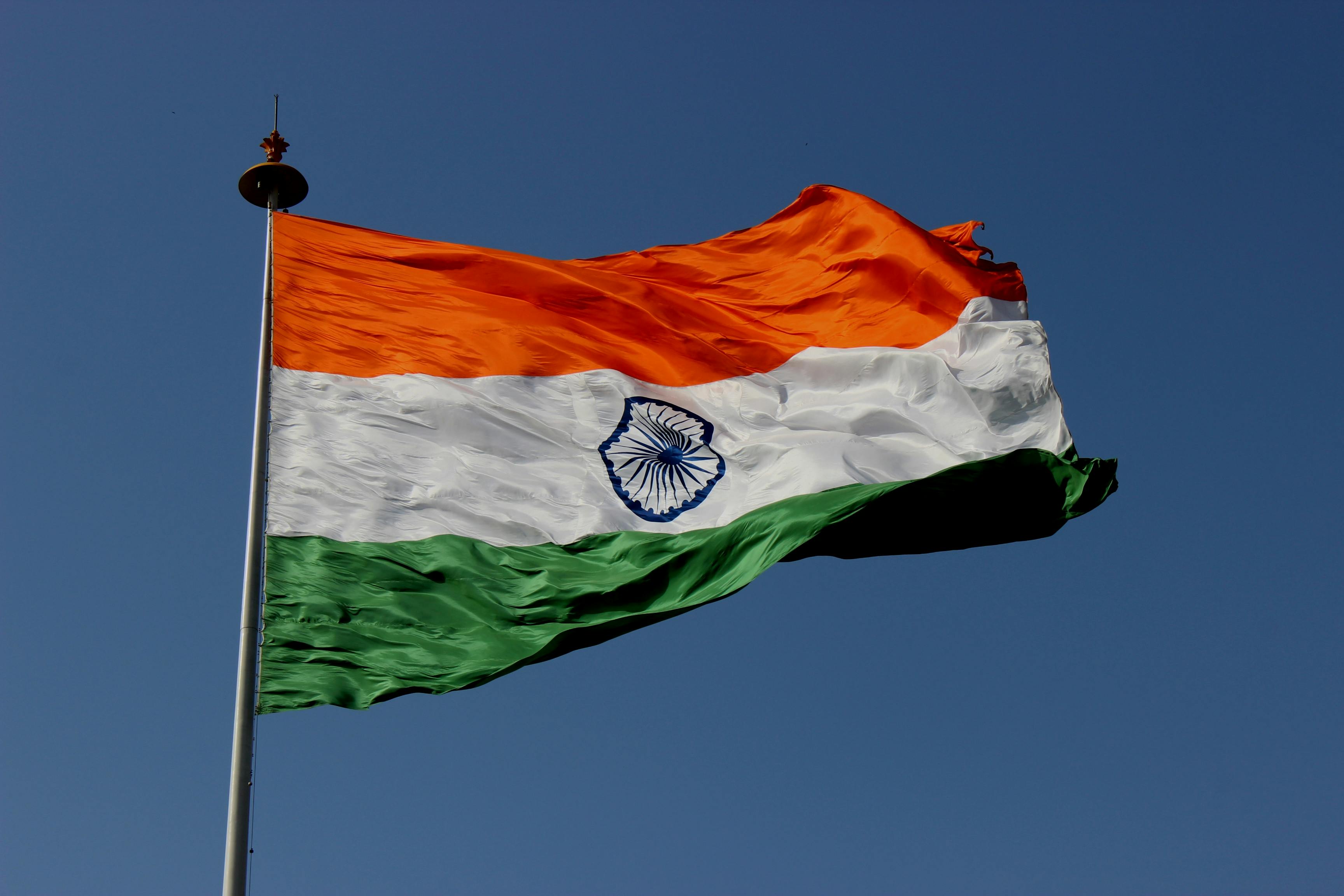
India celebrates its Independence Day on August 15, commemorating its freedom from British colonial rule in 1947.
After nearly two centuries under British control, India gained its independence through a long and nonviolent struggle led by prominent figures like Mahatma Gandhi and Jawaharlal Nehru.
The day is marked by flag-hoisting ceremonies, cultural events, and the Prime Minister’s address to the nation from the Red Fort in New Delhi. It is a national holiday filled with patriotic fervor and a deep sense of pride in India’s rich heritage and democratic values.
4. South Korea, 15 August

Known as "Gwangbokjeol" or "Restoration of Light Day," South Korea’s Independence Day on August 15 commemorates the liberation of the Korean Peninsula from Japanese colonial rule in 1945. The end of World War II marked the end of 35 years of Japanese occupation.
While Korea was subsequently divided into North and South, August 15 remains a national holiday in South Korea. The day is celebrated with official ceremonies, cultural performances, and remembrance of those who fought for freedom.
5. North Korea, 15 August

Similarly, North Korea also observes August 15 as its liberation day from Japanese rule. While North and South Korea have diverged politically and ideologically since the mid-20th century, both recognize August 15 as a foundational moment in their national histories.
In North Korea, the day is marked with government-organized festivities, parades, and speeches extolling the role of Korean revolutionaries and the influence of the country’s leadership in achieving independence.
6. Republic of the Congo, 15 August

The Republic of the Congo gained its independence from France on August 15, 1960, as part of a broader wave of decolonization across Africa. The country's independence marked the beginning of a new chapter following decades of French rule.
Independence Day is celebrated with national pride, featuring parades, cultural exhibitions, and official ceremonies that reflect on the country's journey toward self-determination and development.
7. Liechtenstein, 15 August

Liechtenstein, a small landlocked country in Central Europe, celebrates its National Day on August 15. Although not an independence day in the traditional sense, it serves as a day of national pride and unity.
The date was chosen to coincide with the feast of the Assumption of Mary and the birthday of Prince Franz Josef II. The celebration includes speeches by the royal family, fireworks, and communal festivities, making it a major public holiday in the country.
8. Gabon, 16 August

Gabon celebrates its Independence Day on August 16, one day after the Republic of the Congo. It also achieved independence from France in 1960.
The celebrations often extend over two days, starting on August 16 and culminating on August 17, with parades, concerts, and speeches from political leaders.
Gabon's Independence Day is a reflection of its post-colonial identity and ongoing efforts toward economic and social progress.
9. Indonesia, 17 August

Indonesia declared its independence from Dutch colonial rule on August 17, 1945. After more than 300 years of colonization, the proclamation was made by national leaders Sukarno and Mohammad Hatta.
However, the Netherlands did not recognize Indonesia's independence until 1949 after years of armed conflict and diplomatic negotiations. Today, Indonesians celebrate with parades, flag-hoisting, traditional games, and community events that emphasize unity and national pride.
10. Trinidad and Tobago, 31 August

Trinidad and Tobago celebrates its Independence Day on August 31, commemorating its separation from British colonial rule in 1962. The day is a national holiday filled with festivities, including fireworks, parades, and music competitions.
The twin-island nation uses this opportunity to honor its multicultural heritage and affirm its status as a sovereign republic.