


Oil reserves play a big role in how countries earn money and influence the world. Some nations have far more oil than others, giving them long-term energy power.
We will take a look at countries with the largest oil reserves in 2024, based on OPEC data, and briefly explains why each country is important.
1. Venezuela

Venezuela tops the global list with around 303 billion barrels of proven oil reserves, far exceeding those of any other country. Much of this oil is located in the vast Orinoco Belt, where extra-heavy crude dominates.
Despite this tremendous geological wealth, Venezuela’s ability to capitalize on these reserves has been hampered by economic mismanagement, deteriorating infrastructure, and longstanding international sanctions.
These challenges have kept production levels well below the nation’s capacity, but the sheer volume of reserves continues to grant Venezuela enduring importance in global energy discussions.
2. Saudi Arabia

Saudi Arabia holds the second-largest oil reserves in the world with roughly 267 billion barrels. Unlike many other top reserve holders, a substantial portion of Saudi crude is light, sweet, and relatively inexpensive to extract and refine.
This gives the kingdom a unique position in global petroleum markets, allowing it to adjust production with relative flexibility.
The state-owned Saudi Aramco manages these resources and plays a central role in both national economic planning and the broader objectives of the Organization of the Petroleum Exporting Countries (OPEC).
3. Iran

Iran ranks third globally with approximately 209 billion barrels of proven oil reserves. Much of this oil is concentrated in onshore fields near the Persian Gulf and requires less complex extraction compared with unconventional sources.
However, Iran’s oil sector is constrained by international sanctions and geopolitical tensions that have limited foreign investment and export reach. Nonetheless, its reserves position Iran as a key player within OPEC and in the broader geopolitics of energy.
4. Canada

Canada stands out as the largest non-OPEC country in terms of oil reserves, with about 168 billion barrels. The bulk of these reserves lie in the oil sands of Alberta, a resource base that is more challenging and costly to exploit than conventional fields.
Oil sands extraction requires energy-intensive processes, making Canadian crude relatively expensive to produce and raising environmental concerns.
Despite these hurdles, Canada’s oil remains a major export, particularly to the United States, and forms a central part of the country’s energy economy.
5. Iraq

Iraq’s reserves are estimated at around 145 billion barrels, placing it firmly among the world’s oil giants. The country’s economy is heavily dependent on petroleum exports, with most reserves concentrated in the southern fields near Basra.
Iraq’s oil sector has attracted significant foreign investment since early 2000s, though production and export growth have been disrupted by regional instability and infrastructure challenges. Still, Iraq remains one of the most important oil producers within OPEC.
6. UAE

The United Arab Emirates holds about 113 billion barrels of oil reserves, primarily in Abu Dhabi. The UAE has used its oil wealth to finance rapid economic growth and diversification, investing in sectors such as tourism, aviation, and renewable energy.
Its state-owned energy company, ADNOC, has pursued strategic partnerships to enhance production and technological capabilities, positioning the UAE as a key oil exporter in the Middle East.
7. Kuwait
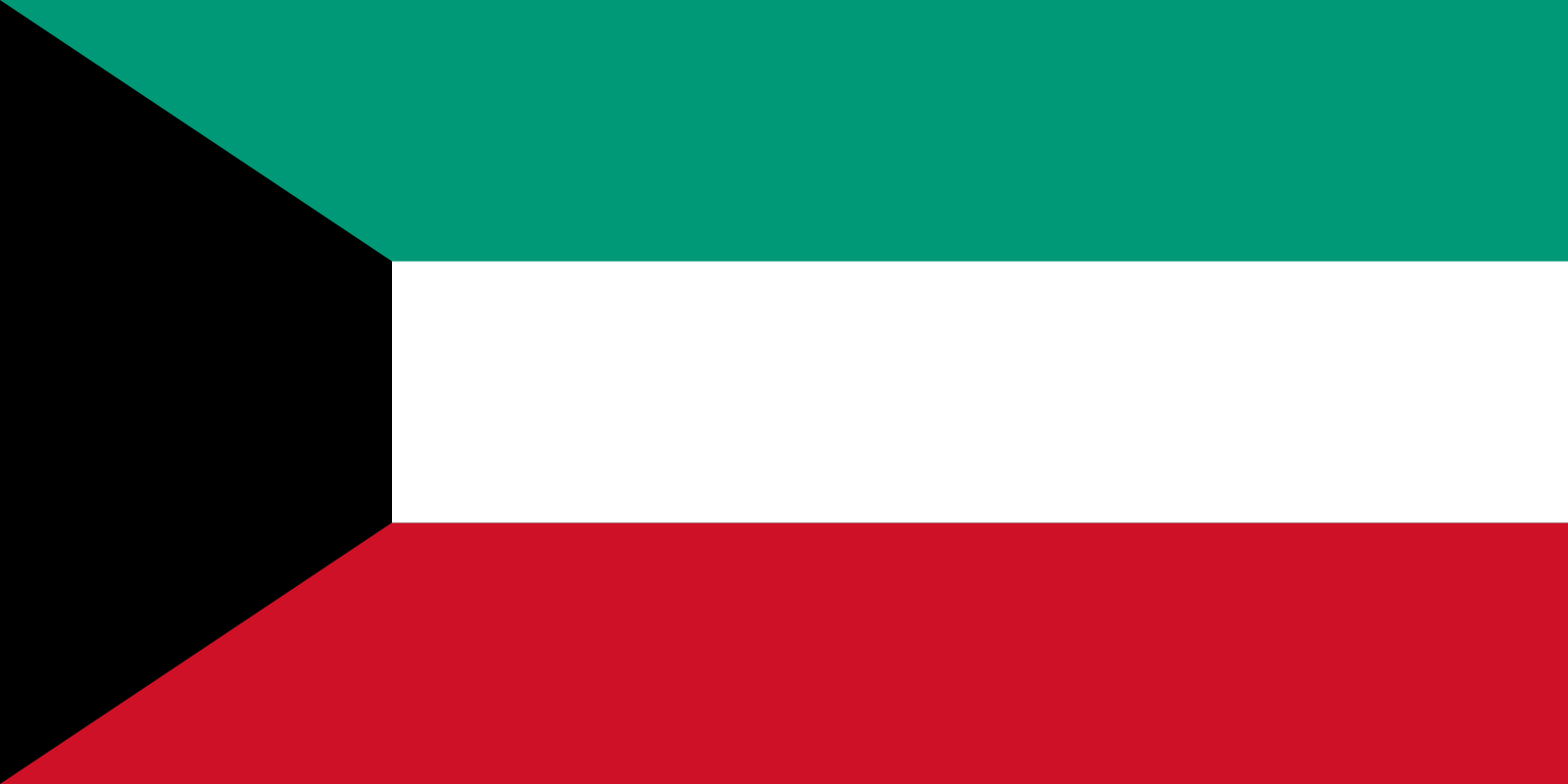
Kuwait’s proven reserves total roughly 101.5 billion barrels. This small Gulf nation has one of the highest ratios of oil reserves per capita in the world, and petroleum underpins virtually every aspect of its economy.
Kuwaiti oil is generally light and easy to extract, enabling the country to maintain high export levels despite its relatively small population. Like other Gulf states, Kuwait has pursued economic diversification to reduce overreliance on oil revenues.
8. Russia

Russia’s oil reserves total about 80 billion barrels, placing it among the top ten global holders. Though not a member of OPEC, Russia cooperates with the organization through the OPEC+ framework, coordinating production policies to influence global markets.
Russia’s oil production infrastructure is extensive, with significant output coming from fields in Western Siberia and newer developments in the Arctic region. Its energy exports are critical to the economies of many European and Asian countries.
9. Libya
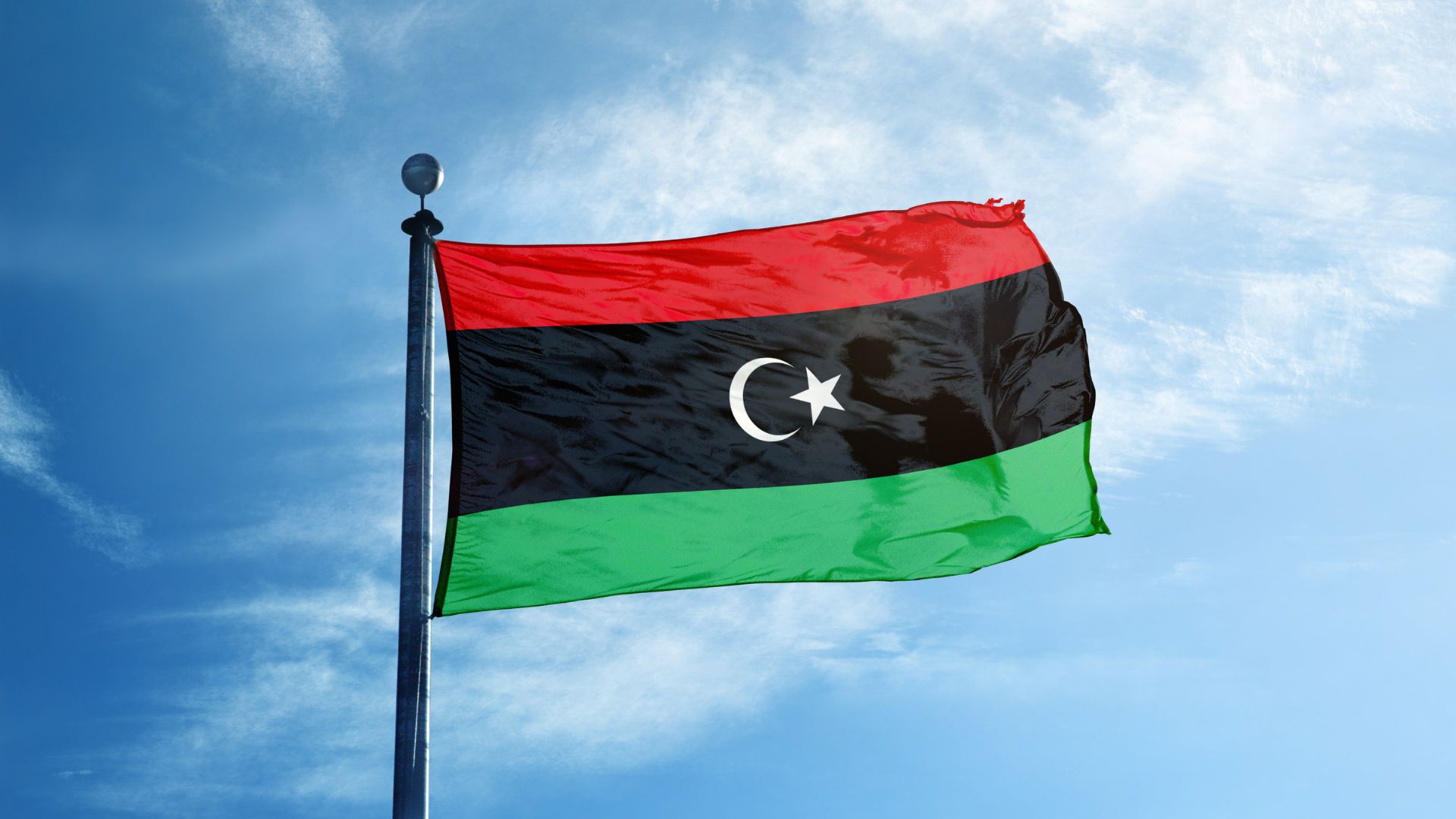
Libya, Africa’s largest oil reserve holder, has about 48 billion barrels. The country’s oil sector has historically been constrained by political upheaval and periodic conflict, which have impeded consistent production and investment.
Nevertheless, Libya’s reserves are significant, and when stability returns, they hold the potential for substantial contributions to the global oil supply.
10. United States

The United States rounds out the top ten with around 68 to 74 billion barrels of proven oil reserves, depending on the data source.
The U.S. is not only a major reserve holder but also the world’s largest oil producer, thanks largely to innovations in shale extraction and other technologies.
American reserves are geographically diverse, spanning fields in Texas, the Gulf of Mexico, North Dakota, and beyond. U.S. energy policy balances domestic production with global market dynamics and environmental considerations.


