


Among the world’s big cats, lions, tigers, leopards, jaguars, and cheetahs, only one has never been recorded as having killed a human: the cheetah.
Despite being apex predators and the fastest land mammals on Earth, cheetahs stand out not only for their speed and elegance but also for their remarkably non-aggressive relationship with humans.
This unusual distinction raises a fascinating question: why have cheetahs never killed a human when other big cats have?
Built for Speed, Not Strength
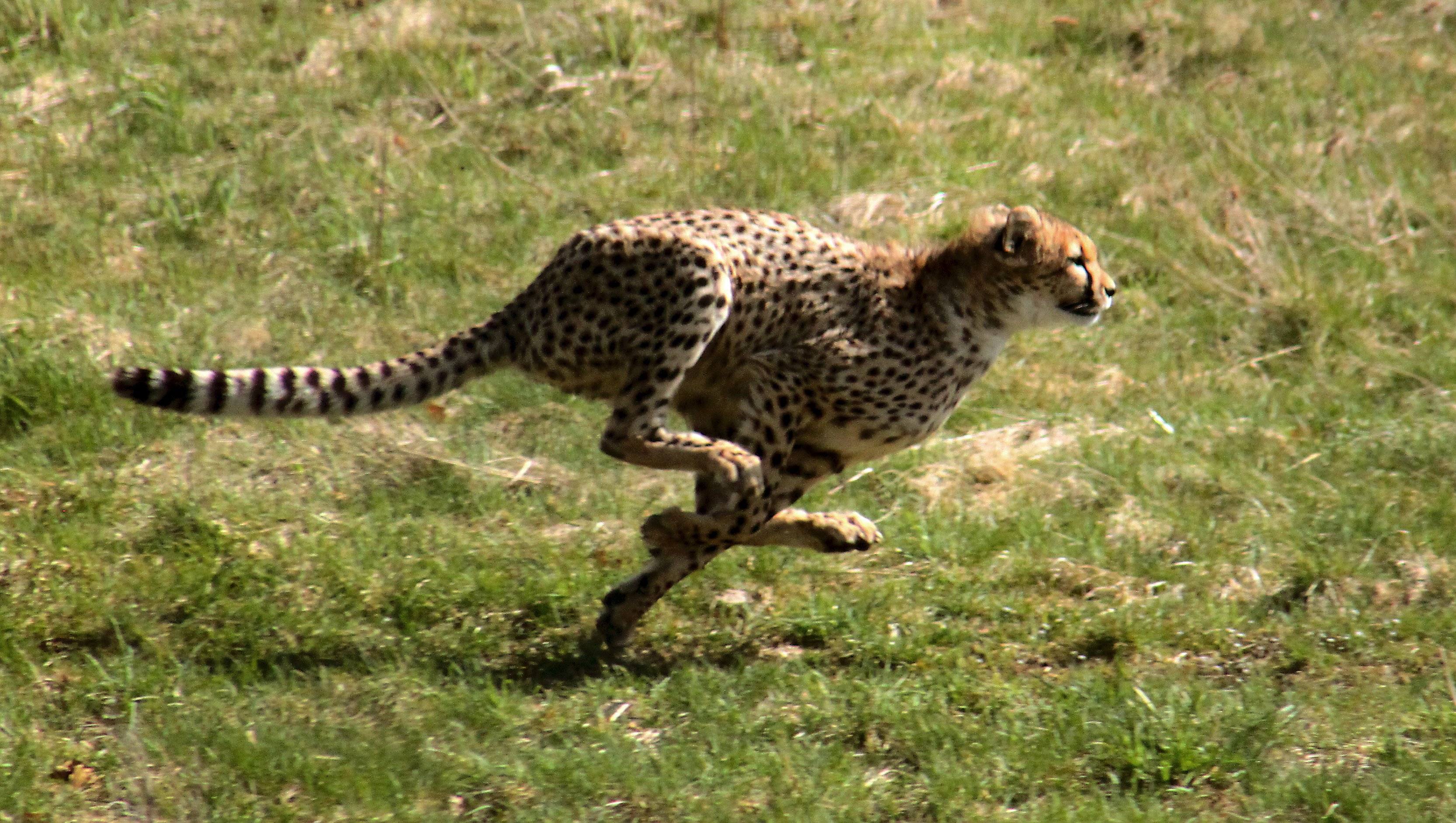
One of the key reasons cheetahs are not dangerous to humans lies in their anatomy and evolutionary specialization. Unlike lions and tigers, which are built with powerful muscles for ambushing and overpowering large prey, cheetahs are designed for speed and agility.
Their slender bodies, lightweight bones, and long limbs make them the perfect sprinting machine, capable of reaching speeds of up to 70 miles per hour. However, this comes at the cost of brute strength.
Cheetahs rely on short bursts of speed to catch smaller prey such as gazelles, impalas, and hares. Once they bring an animal down, they often have to eat quickly or drag it to cover to avoid losing it to stronger predators like hyenas or lions.
Their jaws are not as strong, and their build is not suited for prolonged fights. This lack of physical power compared to other big cats means cheetahs are not equipped to attack or kill large animals, including humans.
Naturally Timid

Cheetahs are generally shy and introverted animals, especially when it comes to human interaction. In the wild, they tend to avoid human settlements and flee at the first sign of disturbance.
Unlike leopards or tigers, which have been known to enter villages or attack people under stress or provocation, cheetahs are more likely to run away than confront. Their temperament plays a significant role in their non-threatening behavior.
Even in captivity, cheetahs have proven to be calm and manageable. Many wildlife sanctuaries, zoos, and conservation centers report that cheetahs are among the easiest big cats to work with.
Their docile nature has even led to the use of cheetahs as companion animals for royalty and hunters in ancient civilizations, such as in Persia and India, where they were trained to help catch game, without ever posing a threat to their handlers.
No Record of Human Fatal Attacks

To date, there has never been a verified record of a cheetah killing a human. This is extraordinary when compared to the other members of the big cat family. Lions, for example, are responsible for hundreds of fatalities every year in parts of Africa.
Tigers have a long history of attacking humans, particularly in regions like the Sundarbans in India and Bangladesh. Even leopards, though generally elusive, have been known to attack people when provoked or cornered.
Cheetahs, by contrast, show no such history. Although there are occasional reports of minor injuries from captive cheetahs becoming startled or defensive, these incidents are rare and not fatal.
The absence of any documented human deaths caused by cheetahs further reinforces their reputation as the most human-tolerant of the big cats.
Conservation Status and Human Interaction Today
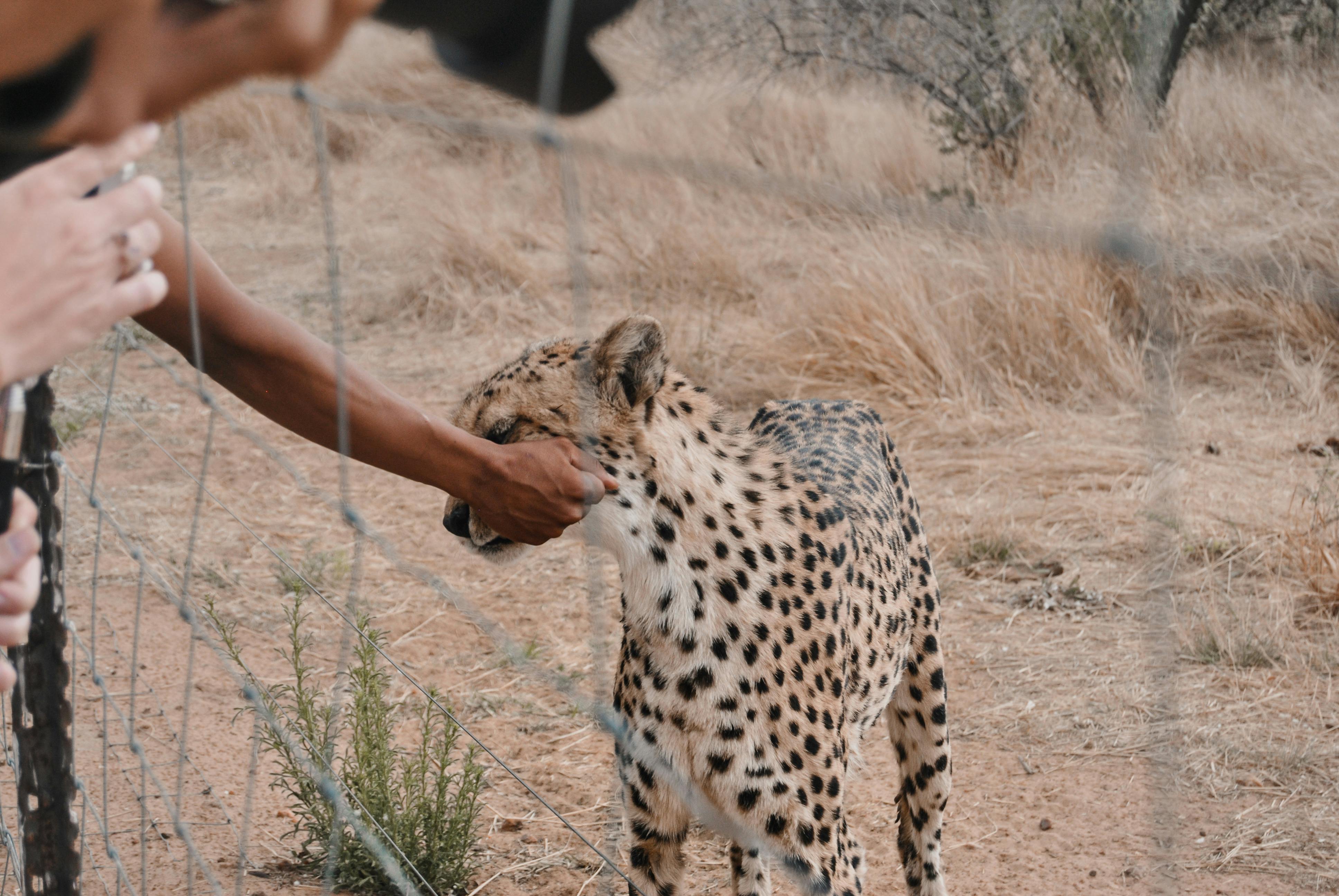
Today, cheetahs face increasing threats from habitat loss, poaching, and human-wildlife conflict, but they remain non-aggressive toward humans. In fact, much of the conflict arises from human threats to cheetahs, not the other way around.
Conservation efforts focus on protecting their natural environments and mitigating issues like livestock predation, which can put cheetahs at risk of being killed by farmers.
Thanks to their peaceful nature, cheetahs are also ambassadors for wildlife conservation, often used in education programs and public awareness campaigns.
Their appeal and gentle demeanor help bridge the gap between humans and the broader efforts to protect endangered species.


