


Before the world knew supplement capsules or energy drinks neatly lined up on supermarket shelves, the Indonesian archipelago had long embraced an ancient “elixir” called jamu. And today, that heritage has officially gained global recognition.
On December 6, 2023, during the 18th session of the UNESCO Intergovernmental Committee for the Safeguarding of Intangible Cultural Heritage (ICH) in Kasane, Botswana, Budaya Sehat Jamu (The Culture of Jamu for Well-being) was inscribed as part of the world’s Intangible Cultural Heritage.
With this, Indonesia earned yet another milestone: jamu became the country’s 13th ICH element, joining the ranks of wayang, batik, the kris, and gamelan.
Traces of History: From Palace to Village Lanes
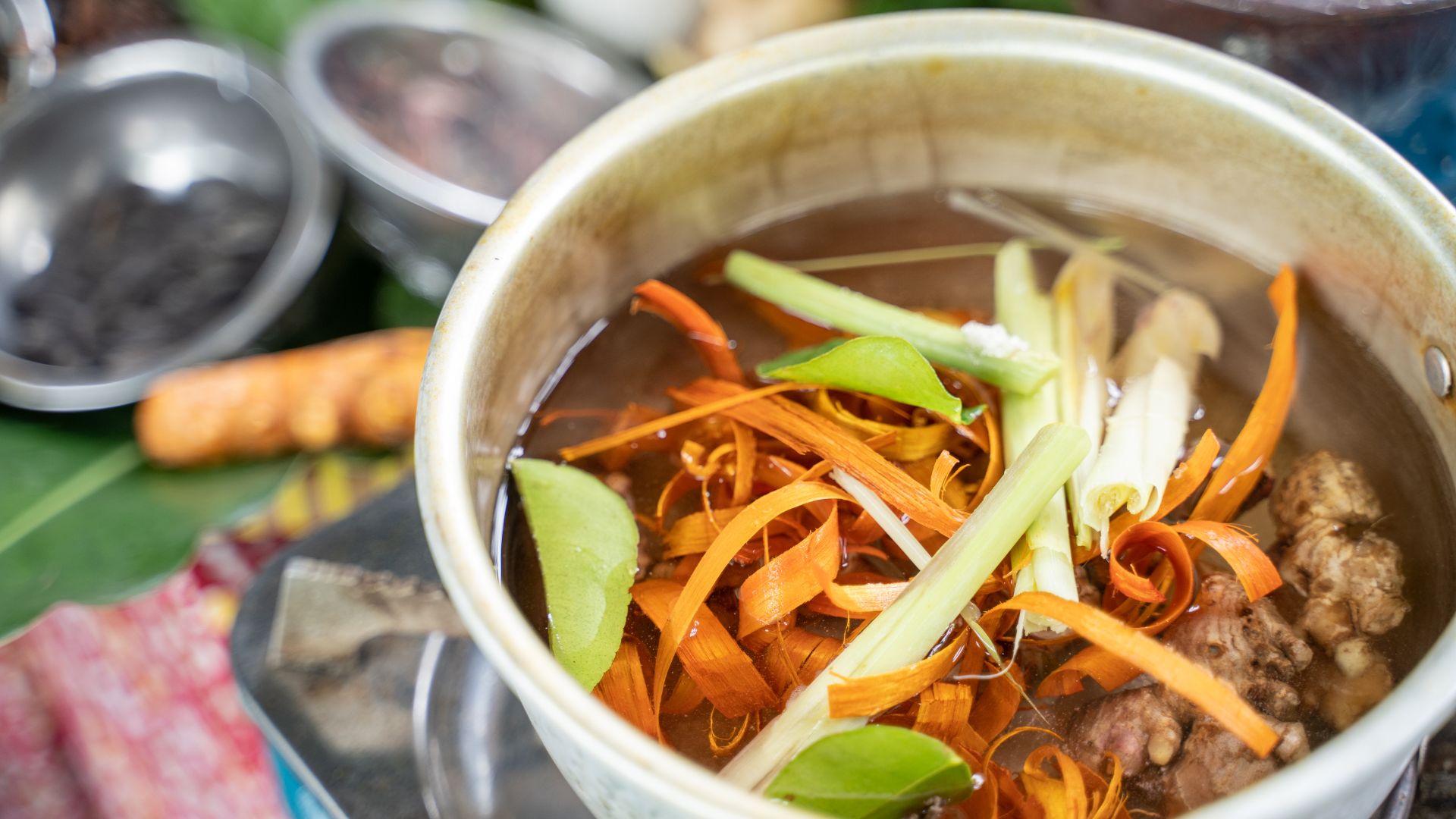
Jamu’s roots run deep—it is believed to have existed since the 8th century, during the era of the Mataram Kingdom. In its earliest form, it was prepared in palace kitchens to maintain the health of the royal family.
Its presence is immortalized in stone: on the reliefs of Borobudur Temple, Candi Rimbi (1329 CE), and the Madhawapura Inscription (1305 CE). From royal circles, the knowledge eventually trickled down into villages, passed orally through healers, families, and neighbors.
But jamu has never been just a medicine. In Old Javanese, the word derives from jampi (prayer or mantra) and usada (healing). In essence, each sip of jamu is not only a remedy but also a prayer for health.
The Bitterness of Stigma
Jamu’s journey, however, has not always been smooth. Between the 1960s and 1990s, two major stigmas emerged.
First, jamu was seen as a kind of “punishment” for children because of its bitter taste. Second, the term bakul jamu (jamu seller) became a derogatory label for someone talkative, noisy, or insincere. Over time, this tarnished jamu’s positive image.
But the Covid-19 pandemic shifted the narrative. The global return to “back-to-nature” lifestyles and heightened awareness of immunity brought jamu back into the spotlight—not merely as a tradition, but as a proud cultural symbol.
Women and the Knowledge Carried on Their Backs
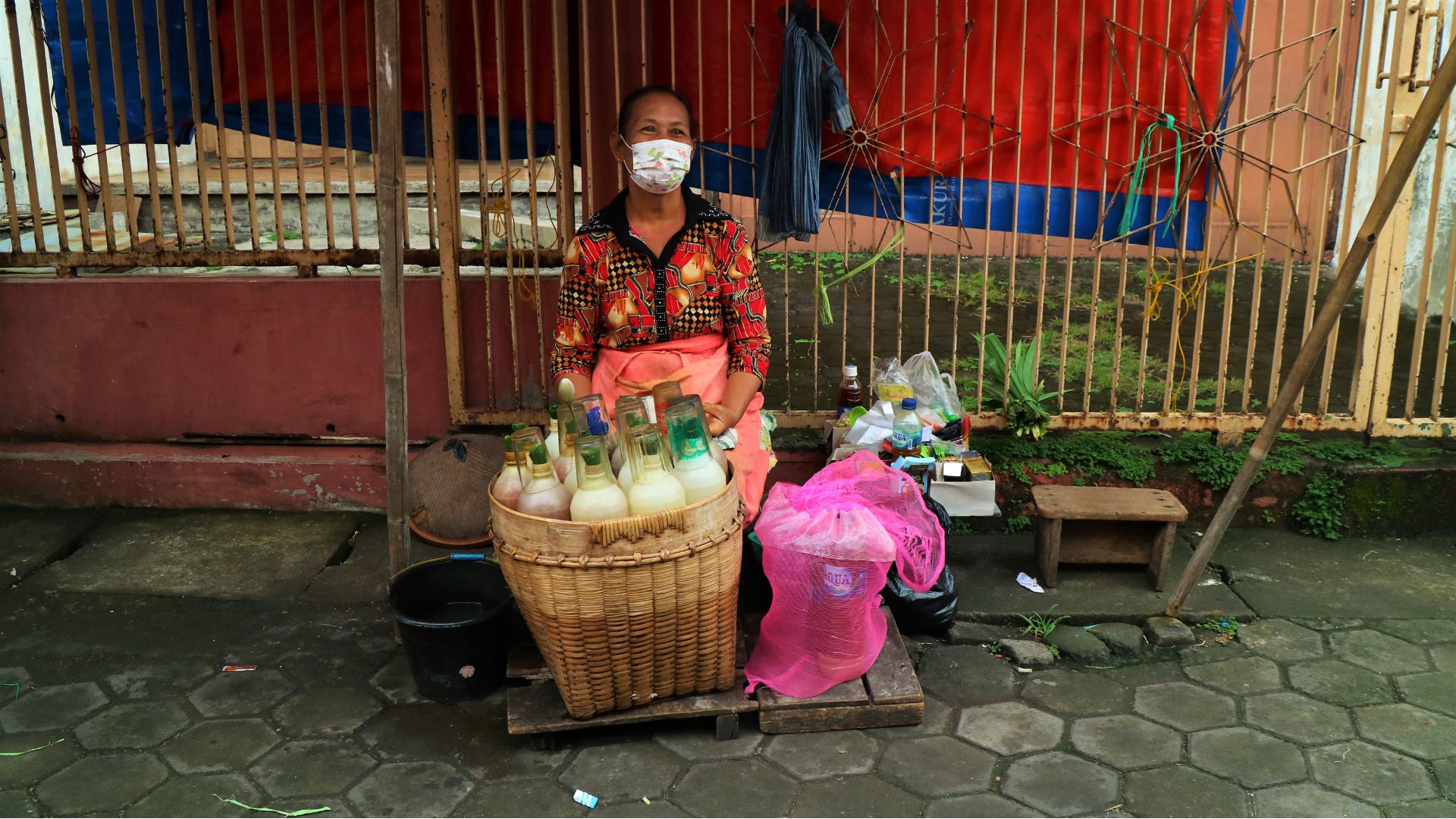
For many Indonesians, the most classic image of jamu is that of a "jamu gendong", a woman who carries bottles of jamu in a bamboo basket on her back. With warmth, they greet their regular customers, pour the herbal liquid into a small glass, and then continue on their way. This tradition is perhaps the most authentic face of jamu.
There are countless jamu recipes tailored to age, lifestyle, and health conditions—whether to boost stamina, improve digestion, or ease menstrual pain. These recipes are passed down from mother to daughter, or shared between neighbors, becoming a natural part of everyday life.
Interestingly, the Ministry of Health’s Ristoja (Research on Medicinal Plants and Jamu) conducted in 2012, 2015, and 2017 documented an astonishing 32,013 traditional remedies and 2,848 species of medicinal plants.
As time goes on, jamu has also found its way into academia—several Indonesian universities now teach it through scientific study.
A Mosaic of Flavors Across the Archipelago
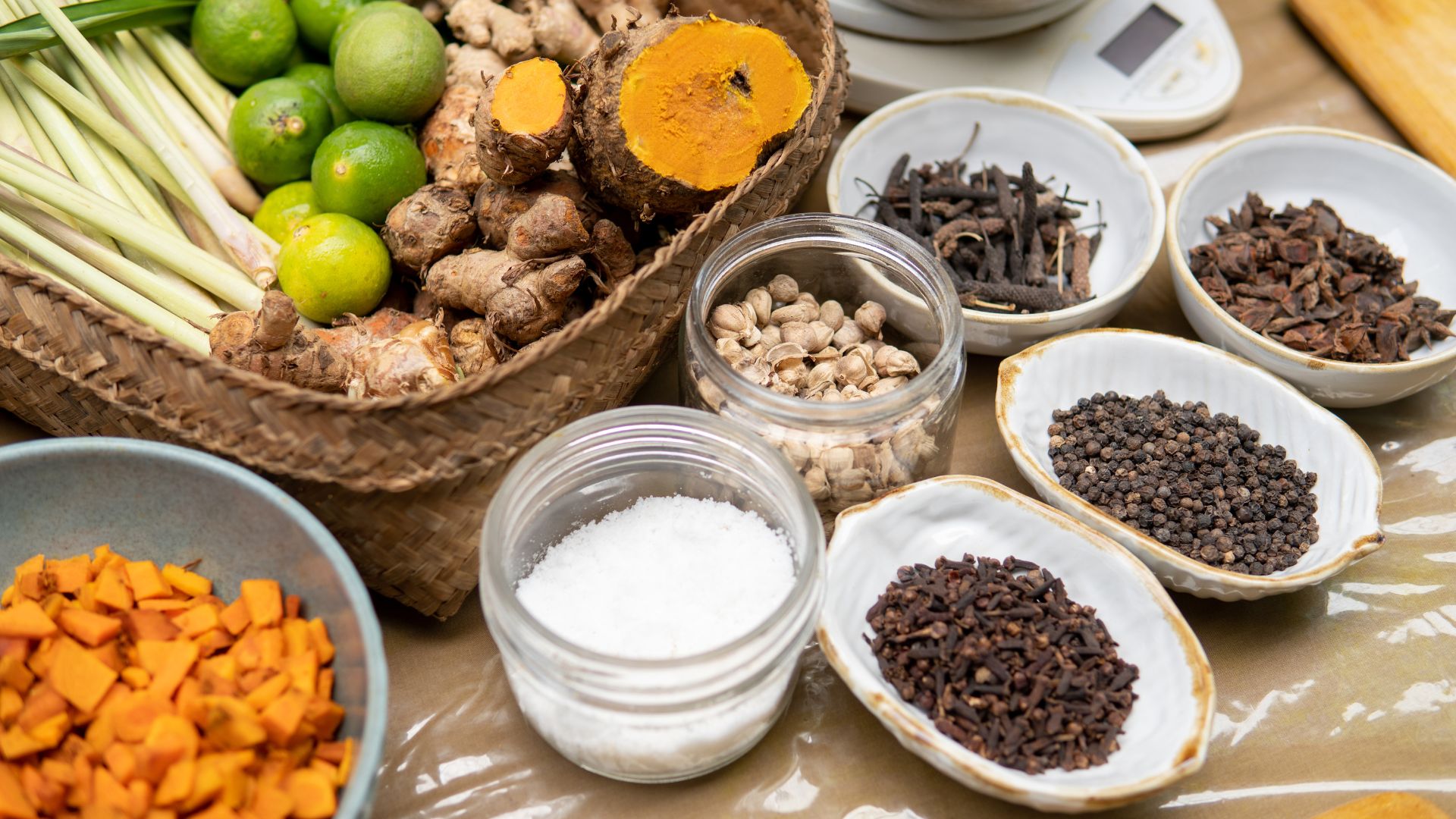
Jamu is a true mosaic of the Indonesian archipelago. Each region has its own taste, its own identity.
In Java, it's a staple of daily health routines, while in Sumatra, it's often transformed into healing herbal massage oils. Bali is renowned for its specific blends of loloh and spa tonics, whereas in Kalimantan, Dayak communities meticulously preserve their forest-based recipes. Meanwhile, the rich natural resources of Eastern Indonesia contribute to this heritage with Maluku's potent eucalyptus oil, Papua's prized red fruit, and Sulawesi's Virgin Coconut Oil.
From Bottles on the Back to the Modern Industry
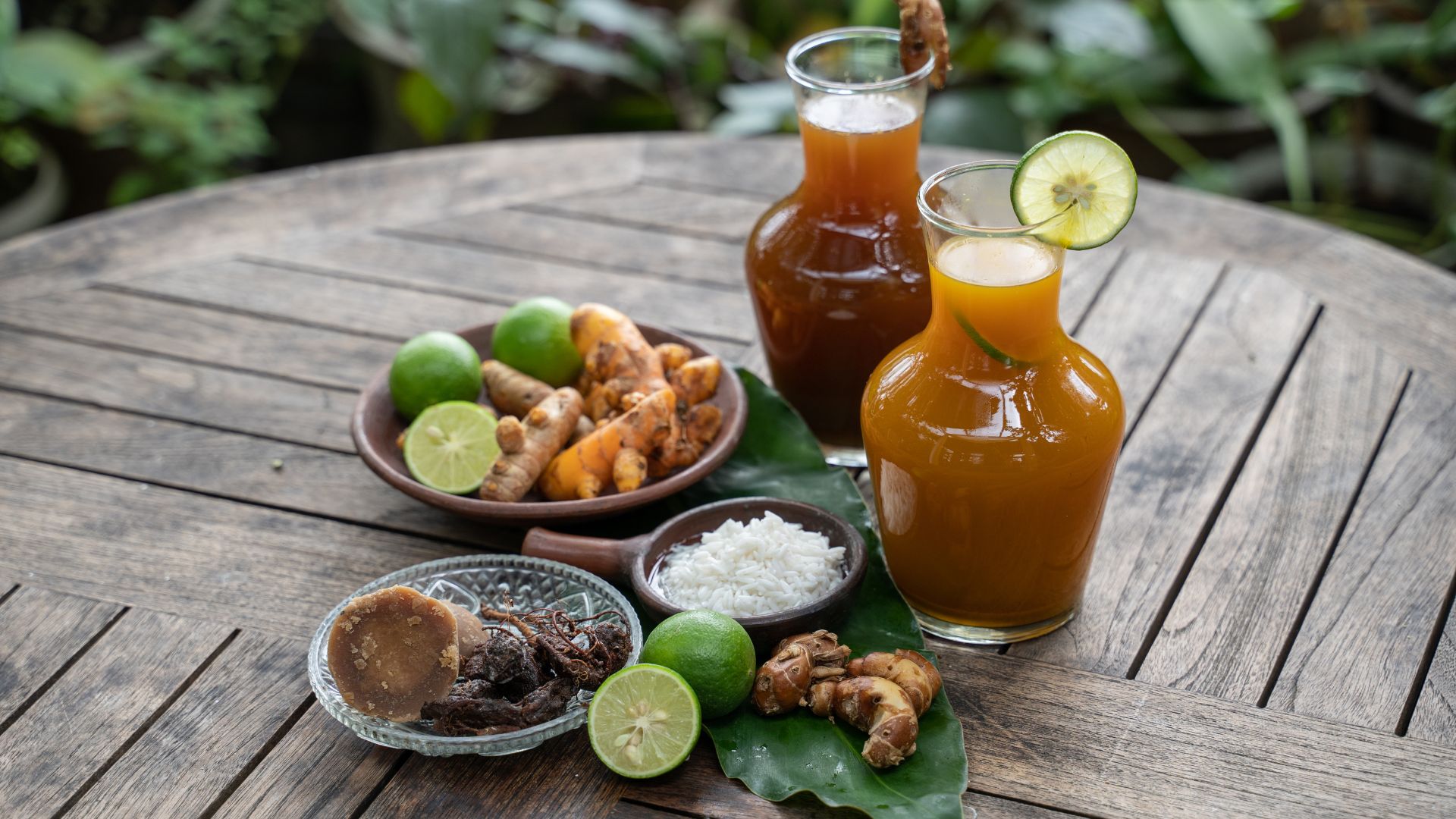
Over time, jamu has transformed. Since the 19th century, jamu companies began to emerge in Central Java. Legendary names such as Nyonya Meneer, Jamu Jago, and Sido Muncul carried it onto the industrial stage.
Today, jamu comes in more practical forms: capsules, tablets, even ready-to-drink bottles. One popular example is Tolak Angin, a household remedy for relieving fatigue and discomfort. It is not only beloved by Indonesians but has also become a sought-after souvenir for foreign visitors.
A Timeless Heritage
In the end, jamu is proof of how ancestral knowledge can endure across centuries. Long before the world turned to instant supplements and flashy energy drinks, Indonesia already had jamu—a potion of prayer, wisdom, and health, passed down with love.
And now, as the world finally turns its gaze toward it, Indonesia can simply say: “we’ve had it all along.”


