


When you hear the word dragon, what comes to mind? Perhaps a massive, scaly creature with bat-like wings, breathing fire and spreading terror—like Smaug in The Hobbit or the dragons in Game of Thrones.
Yet in other parts of the world, especially in Asia, dragons are portrayed very differently. They are seen as symbols of wisdom, prosperity, rain, and even good fortune.
So why are dragons in the West feared as terrifying monsters, while in the East they are revered as sacred bringers of blessings? Let’s explore this further.
Why the West Sees Dragons as a Threat
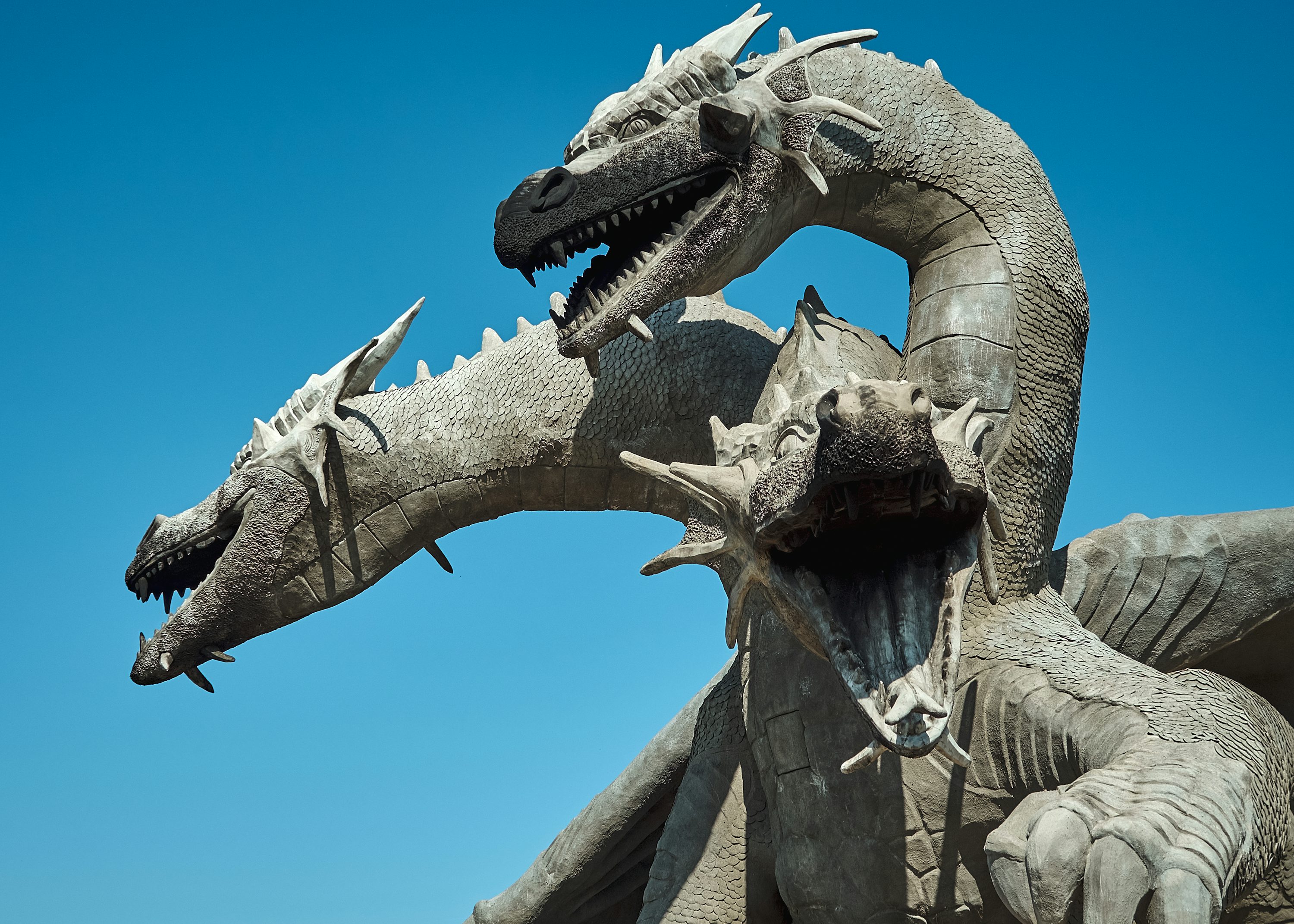
The word dragon comes from the Greek drakōn, meaning “large serpent” or “sea monster.” It’s no surprise, then, that the earliest dragons in Western mythology resembled venomous snakes more than winged reptiles.
From the beginning, dragon stories in the West were steeped in conflict. In Mesopotamian mythology, the sea goddess Tiamat transformed into a dragon and waged war against her children, until her body was split apart to create the world.
In Greek myth, Heracles fought the nine-headed Hydra. In the Bible, the dragon is even described as the embodiment of Satan in the Book of Revelation.
During the Middle Ages, dragon tales further reinforced their negative image. The legend of St. George and the Dragon, for example, depicted the dragon as a symbol of sin and paganism, one that could only be defeated through Christian faith.
Epic literature like Beowulf also portrayed dragons as greedy hoarders of treasure. Beowulf, the aging king, battles a dragon to protect his people but dies in the struggle. Here, the dragon represents danger, greed, and inevitable destruction.
In short, in the West, dragons are adversaries to be vanquished—symbols of evil and stark reminders of the perils of greed.
Dragons in the East: Symbols of Harmony, Life, and Prosperity
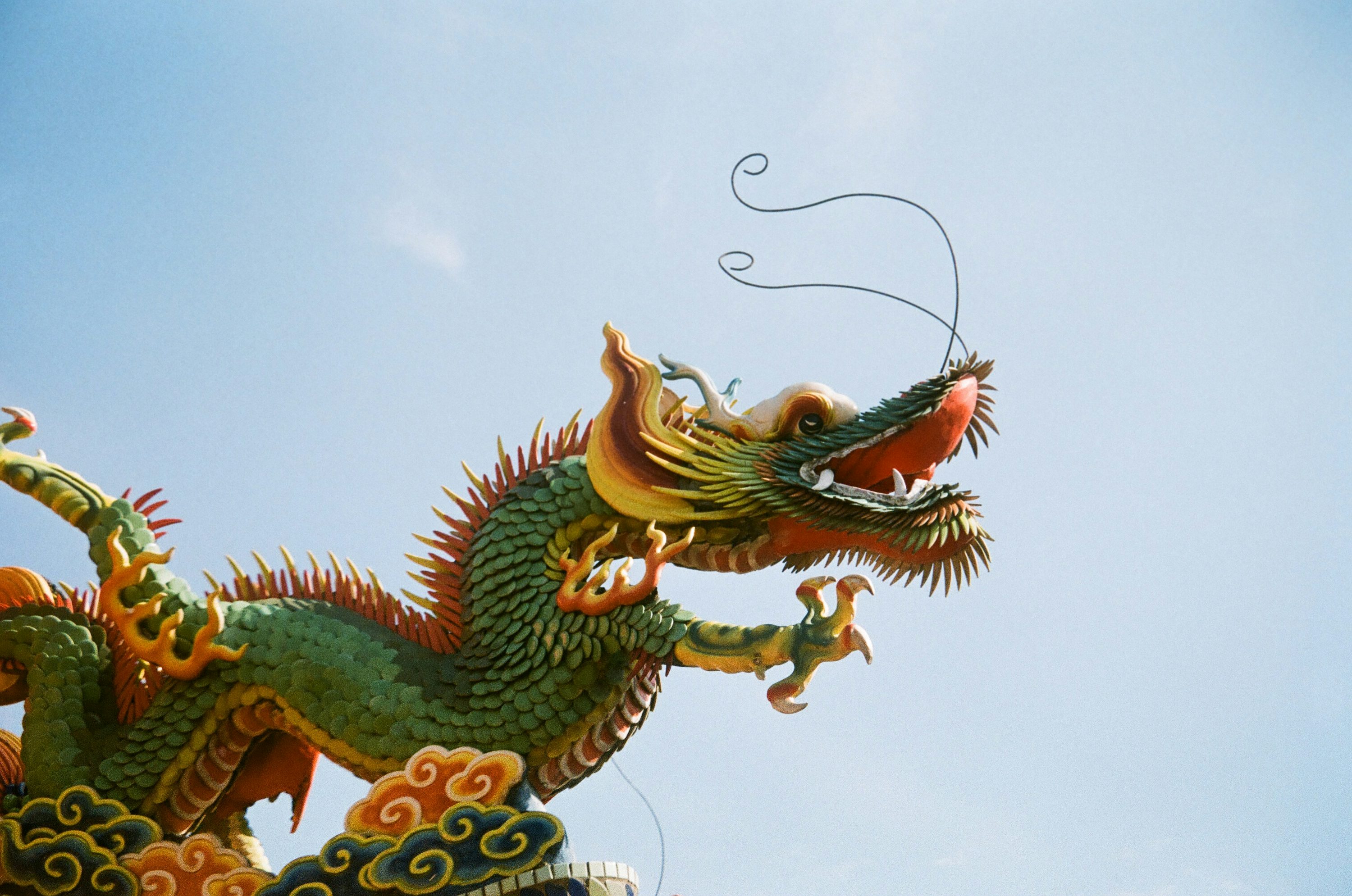
In stark contrast to the West, dragons in Asia are viewed as cosmic beings of wisdom and blessing. They are not monsters to be slain, but guardians of natural harmony—bringers of rain, rulers of the seasons, and symbols of good fortune.
This perspective is deeply rooted in agrarian life. For societies that depended heavily on water, dragons became the embodiment of nature’s life-giving power. It’s no wonder they were revered and turned into symbols of authority.
Let’s look at a few distinct versions across Asia:
- China
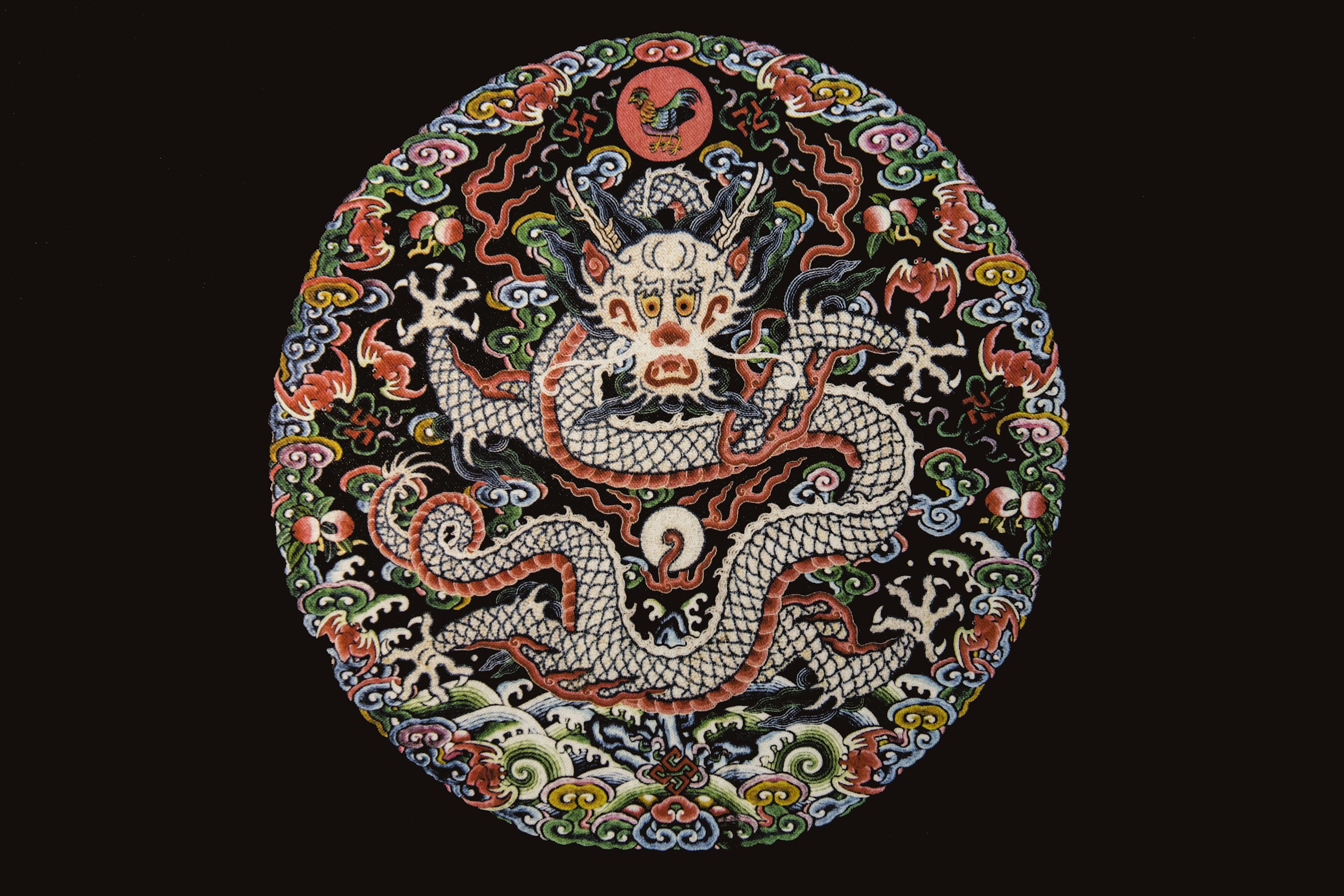
Known as loong, the dragon was the emblem of the emperor, and only the imperial family was allowed to use its image. Its form is unique: the head of a camel, the horns of a deer, the scales of a fish, and a long serpentine body. It could fly without wings and was often depicted holding a flaming pearl. The Chinese dragon symbolizes wisdom, prosperity, and divine power. - Japan
Influenced by Chinese and Indian traditions, Japanese dragons typically have three claws. Some are benevolent, such as the sea god Ryūjin, but others are dangerous, like Yamata no Orochi, the eight-headed dragon slain by the god Susano’o. Still, dragons remain venerated in temples and festivals. - Vietnam
The Vietnamese believe they are descendants of dragons. According to legend, the union of Lạc Long Quân (a sea dragon) and Âu Cơ (a mountain fairy) gave birth to the Vietnamese people. Even Hạ Long Bay is named after the tale of “the dragon descending from the heavens” to protect the people from invaders.
In short, in the East, dragons symbolize identity, life, and humanity’s connection with the cosmos.
From Dinosaur Fossils to Pop Culture
Many Europeans once genuinely believed dragons were real. Whenever they stumbled upon dinosaur bones or fossils of giant prehistoric animals, they thought they had found the remains of dragons. This explains why dragon legends felt so convincing in earlier times.
But as science advanced, dragons transformed. In the West, they became staples of modern fantasy: Smaug in The Hobbit, Drogon in Game of Thrones, or the dragons in Harry Potter. Though still portrayed as dangerous, they are now cultural icons of entertainment rather than religious belief.
In the East, dragons continue to endure as cultural symbols. Dragon dances during Lunar New Year, Dragon Boat Festivals, and the widespread hope of bearing a child in the Year of the Dragon all show how deeply this mythical creature remains woven into everyday life.
Two Faces of the Dragon: Enemy vs Protector
The contrasting images of dragons in East and West ultimately reflect the values and needs of their societies.
- In the West, shaped by Christian influence, the dragon became a symbol of sin, the devil, and chaos.
- In the East, rooted in agrarian and spiritual traditions, the dragon stood for harmony, rain, and good fortune.
These two faces of the dragon are equally fascinating, showing how a single mythical creature can evolve in meaning through human imagination. Even today, whether as a terrifying monster or a sacred bringer of blessings, the dragon continues to live on—in stories, culture, and pop culture across the world.