


A pivotal international symposium on the management of world heritage sites has kicked off in Sawahlunto, West Sumatra, Indonesia, bringing together 123 delegates from 15 countries. The “We Are Site Managers 2025” event, held from August 23 to 28, is focused on enhancing strategies for the sustainable preservation of cultural heritage across the globe.
Minister of Culture, Fadli Zon, opened the symposium with an inspiring address, highlighting the significance of cultural heritage as more than just remnants of the past but as a vital foundation for the future. He emphasized that cultural heritage provides the roots necessary to confront current global challenges, including political, economic, and environmental uncertainties.
A Living Monument: Sawahlunto's Role in the Global Heritage Landscape
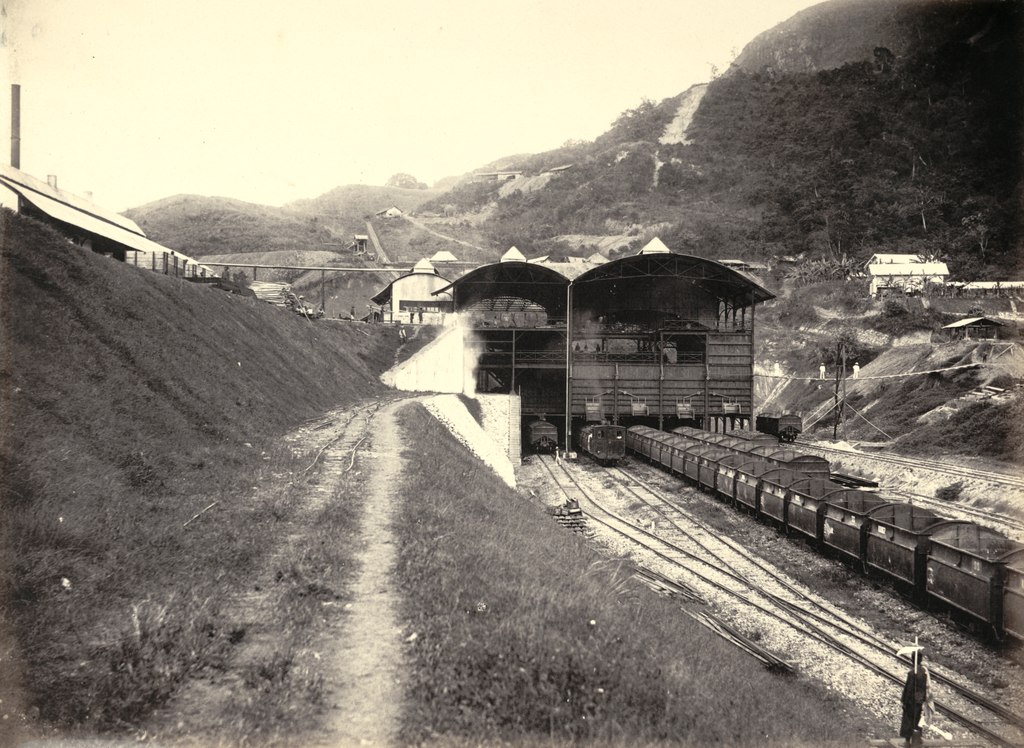
The event was held at the UNESCO World Heritage-listed Ombilin Coal Mine Heritage Site, a testament to the transformative power of cultural preservation. Minister Fadli Zon underscored the importance of Sawahlunto not only as a historical mining town but as a symbol of how heritage can drive modern-day innovation and cultural continuity. "Today, we stand not just in a city, but in a living monument, a giant archive that bears witness to resilience, dreams, hard work, and the dedication of humankind," he said.
Minister Fadli Zon further elaborated that, while colonialism's physical chains have been broken, the world today faces new intangible “chains” through globalization that often homogenize cultures and erode the historical consciousness. This is where the crucial role of heritage site managers comes in, he added, encouraging them to transform sites from mere tourist attractions to spaces for reflection, education, and dialogue.
Challenges of Cultural Heritage in the Modern Era
As we enter an era of rapid global changes, Minister Fadli Zon pointed out that managing world heritage sites has become more complex. The rise of digital globalization, environmental degradation, and the erosion of historical awareness present unique challenges to cultural heritage preservation. He called upon site managers to not only protect physical sites but also actively foster a deeper understanding and appreciation of history among younger generations, which may be less connected to their cultural roots.
He also emphasized Indonesia's commitment to embedding culture at the core of its national development agenda, particularly in the post-2030 development framework. "Cultural heritage is not just a relic; it is an essential tool for shaping the future," said Minister Fadli Zon.
Sawahlunto: A Model for Cultural Innovation and Sustainable Tourism
The symposium also spotlighted Sawahlunto as a unique example of how industrial heritage, in this case, coal mining, can be transformed into a driver for local development. Riyanda Putra, Mayor of Sawahlunto, expressed his gratitude for the city’s selection as the symposium’s host and noted the city's evolution from a coal-mining town to a hub of culture and tourism. "Sawahlunto’s story is one of human resilience, technological progress, and cultural exchange. Our legacy as a mining city has now become a symbol of solidarity and cultural pride," said Mayor Riyanda, quoted by RRI.
Sawahlunto's transition from a mining town to a cultural powerhouse was driven by the recognition of its industrial heritage as a World Heritage Site by UNESCO in 2019. This transformation has helped shape a new identity for the city, blending its rich history with contemporary cultural practices, and making it a model for sustainable tourism and community empowerment.
The Sawahlunto Document: A Blueprint for the Future
The symposium's culmination came with the unveiling of the Sawahlunto Document, a strategic action plan for the future of heritage management. This document aims to provide practical and adaptable guidelines for managing world heritage sites, not just in Indonesia but globally. It was designed as a roadmap for site managers and local communities to ensure the ongoing preservation and promotion of their cultural assets.
The document highlights key areas for development, including community involvement, risk management, sustainability, and innovative approaches to integrating heritage preservation into local economies. "The Sawahlunto Document is more than just a report; it is a declaration of our shared commitment to preserving the dignity, intellect, and sustainability of human civilization," Minister Fadli Zon concluded.
International Collaboration: Strengthening Global Heritage Networks
The We Are Site Managers 2025 symposium was supported by the Ministry of Culture of the Republic of Indonesia through the Directorate General of Diplomacy, Promotion, and Cultural Cooperation, under the leadership of Director General Endah Tjahjani. The event brought together representatives from UNESCO, ICOMOS Indonesia, and heritage site managers from various countries, including Saudi Arabia, China, Malaysia, Singapore, Thailand, Taiwan, Japan, South Korea, Australia, Iceland, the UK, the Netherlands, and Indonesia. This international gathering allowed participants to exchange ideas, share best practices, and establish collaborative networks for global heritage preservation.
Next Steps: From Discussion to Action
In line with the discussions, five actionable steps were agreed upon by participants, including:
- Establishing a network of Indonesian World Heritage Site Managers to strengthen governance and collaboration between government, site managers, and local communities.
- Setting up a dedicated management body for the Ombilin Coal Mine Heritage Site to drive tourism and economic growth.
- Promoting the management of cultural heritage that aligns with local identities, needs, and interests.
- Leveraging world heritage sites as cultural diplomacy tools for Indonesia on the global stage.
- Strengthening international cooperation in managing, maintaining, and utilizing world heritage sites.
A Vision for the Future
As the symposium concluded, the importance of cultural heritage as a catalyst for societal progress and global cooperation was clear. The signing of the Sawahlunto Document solidified a shared vision for the future, emphasizing collaboration, respect for local culture, and the role of heritage in building a sustainable future. Through this gathering, Indonesia has shown its leadership in heritage preservation, making it a key player in shaping global cultural policy for years to come.
By embracing its heritage, Indonesia is not just protecting the past but creating a more connected and resilient future for generations to come.


