

One thing that stands out about the Philippines has got to be its breathtaking tapestry of natural wonders. Boasting over 7,000 islands, Boasting over 7,000 islands, there are several popular national parks in Philippines that further showcases the nation’s abundant biodiversity.
Given its archipelagic nature, each national park in Philippines has its own distinctive geographical and biological features, making it even worth visiting. From lush rainforests and towering mountains to pristine rivers and limestone cliffs, these parks are paradise not only for diverse wildlife, but also for travelers seeking instagram-worthy hikes and unforgettable outdoor adventure. This guide will help you discover the perfect park destination for you.
9 Best National Parks to Visit in Philippines
Park destinations for physical activities and scenic views
1. Mount Pulag National Park
- entrance fee (for non-local residents):
-250,00 PHP/pax on weekdays
-350 PHP/pax on weekends and holidays
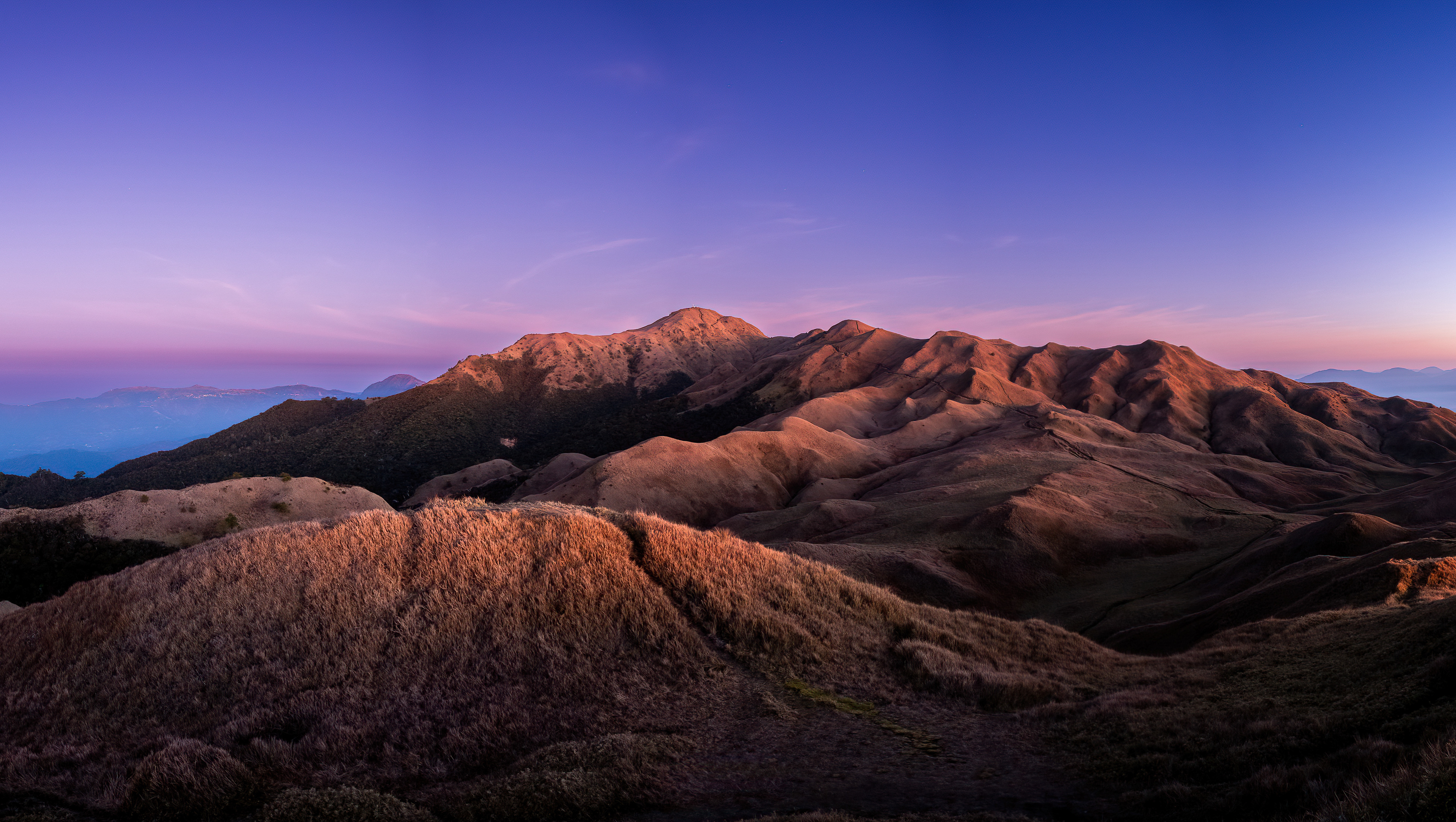
First on the list is one of the highest national park in Philippines. Situated in the Philippine Cordillera Mountain Range, Mount Pulag National Park ranks second as the highest mountain in Philippines, with an elevation of 2,922 m above sea level according to UNESCO.
As the highest peak in Luzon, Mount Pulag National Park is a perfect viewpoint to catch a sublime sunrise panorama. Famed as the “Playground of Gods”, the heavenly sight of the sea of clouds during dawn is every climbers and sunrise lovers’ dream.
But the sunrise view is not the only magical thing about this Mt. Pulag. This park is in fact a home for endangered species. With a blend of dwarf bamboo and moss vegetation, a review by Joan’s Footprints considers Mt. Pulag relatively easy to climb, taking approximately 4-6 hours to reach the top. Comprising 4 trails, newbies are advised to take the Ambangeg trail—as it is the safest route for beginners.
2. Mounts Iglit-Baco National Park
- Entrance fee (for tourist): 55,00 PHP
If you’re a nature lover and a true adventurer, you will love Mounts Iglit-Baco National Park. Located in Sablayan, Occidental Mindoro, this ASEAN Heritage site serves as a sanctuary for various endemic birds and mammals of the islands of Mindoro. For instance, the threatened Tamaraw (Bubalus Mindorensis), Mindoro Imperial Pigeon, and the Mindoro Scops Owl.
Consisting of rugged terrains with river gorges, slopes, and plateaus, Mts. Iglit-Baco National Park offers a challenging trekking opportunity. The park is very much tourist friendly as it provides accommodations like tour guide services, camping sites, cottages, and even a multi-purpose hall. As mentioned in Sablayan Government's official webpage, there is also a parking area fit for motorcycles, cars, jeeps, and tour buses.
3. Biak-na-Bato National Park
- Entrance fee: 30 PHP/person
In Biak-na-Bato National Park, you can expand your history ken while going on a thrilling trekking trip at the same time. Biak-na-Bato is more than just an ordinary national park, it holds a great historical significance as a place where Filipino rebels take refuge from the Spanish Army during the Philippine revolution. Additionally, the park also witnessed the birth of the country’s first republic—the Republic of Biak-na-Bato. Hence Why, Biak-na-Bato is a national park in Philippines that contains natural and historical value.
Blessed with picturesque cave landscapes, riverbanks, and open grassy areas, there are a plethora of outdoor activities you can enjoy. From picnicking, going on a cave exploration to Madlum and Bayubok Cave, swimming in the Madlum River, to hiking at Mt. Manalmon. According to Pinay Wise and Guide to the Philippines, here are two transportation modes you can take to get to the park:
| Transportation Mode | Route | Directions |
| Car | Manila-San Miguel, Bulacan | North Luzon Expressway-Sta. Rita Exit-Plaridel Bypass Road, San Miguel. Then ask locals for directions to Brgy. Madlum |
| Bus | Panoramic view of Mt. Pulag National Park | Bus to Gapan City or Cabanatuan City, arrive at Brgy. Kamias. Then ride a tricycle directly to the park |
4. Hundred Islands National Park
- Entrance fee: 30 PHP/person
National parks in Philippines is not just about mountains and rainforests. In Hundred Islands National Park, you can enjoy a tropical island escape and explore the vibrant marine life of Alaminos. As a park nestled in a coastal city, Hundred Islands will bless your eyes with crystal clear waters and captivating coral reefs. Furthermore, numerous birds, fish, and crustacean species also reside in this area.
The island is packed with water activities such as cliff diving, kayaking, snorkeling, jet skiing, and scuba diving. If you’re interested in visiting, here’s a route guide from Manila compiled from Lakbaypinas.com:
| Transportation mode | Fare | Travel time | Directions |
| Bus/van | 450-600 PHP | 5-6 hours | Take the bus heading to Alaminos City. Upon arrival, continue by tricycle to Lucap Wharf |
| Private vehicle | - | 4-5 hours | From Manila, take the North Luzon Expressway. Exit to Subic-Clark-Tarlac-Expressway and continue to Tarlac-Pangasinan-La Union Expressway. Exit at Urdaneta or Binalonan and follow the signs to Alaminos. From Alaminos City, follow Lucap Road to get to Lucap Wharf |
Parks for Ecotourism and Wildlife Sightseeing
5. Puerto-Princesa Subterranean National Park
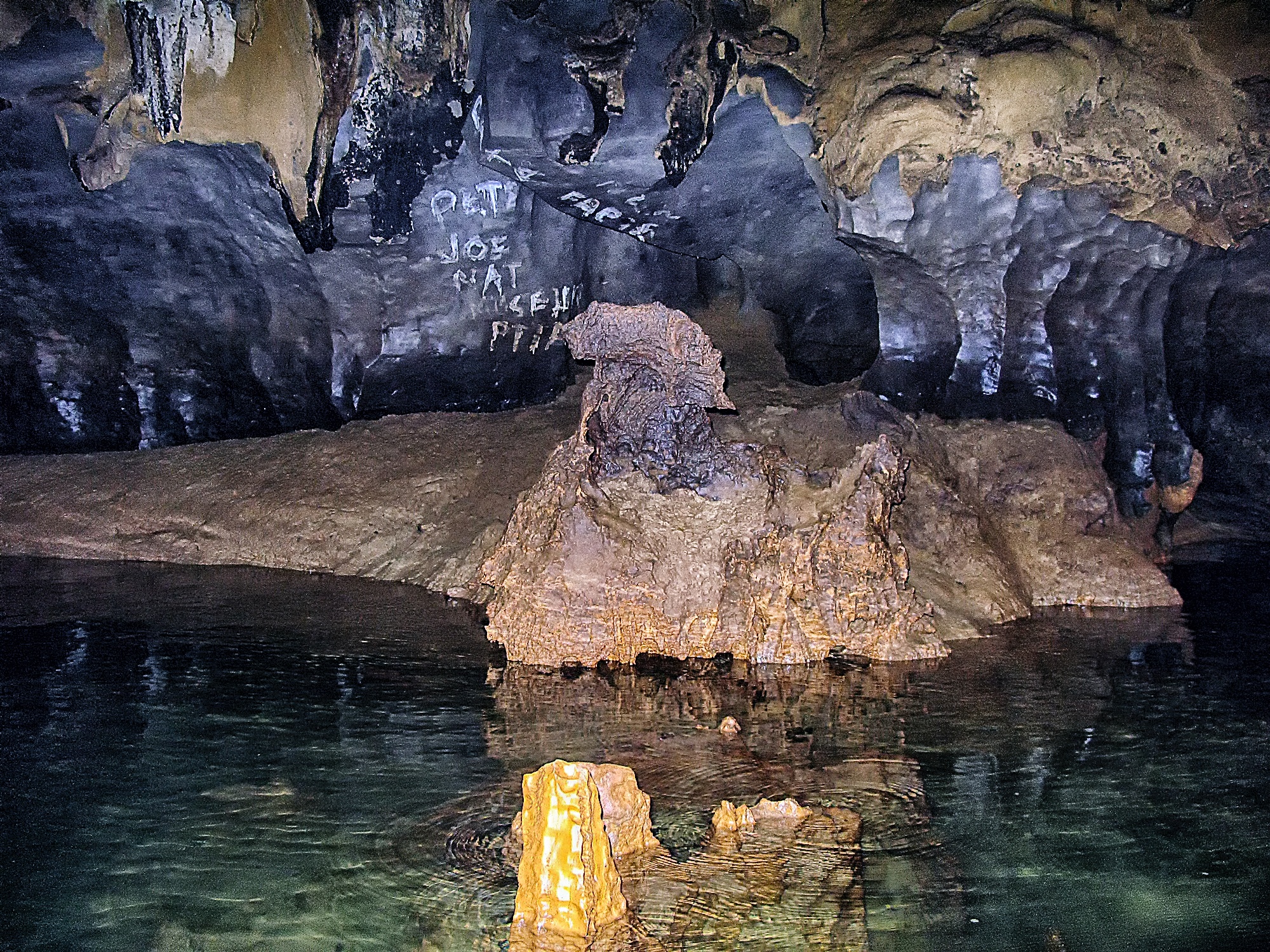
Philippines is filled with numerous UNESCO renowned tourism sites, and one of the most popular national park is the Puerto-Princesa Subterranean National Park located on the western island of Palawan, Philippines. Covering an area of about 54,860 acres, this national park will take you on a unique eco-tourism experience through its 8-kilometer navigable underground river encircled by spectacular karst limestone formations.
Surrounded by lush woodlands and diverse terrestrial fauna, around 30 mammals, 19 reptiles and 174 birds dwell in this park, making it a paradise for wildlife enthusiasts. But if you’re seeking an anti-mainstream experience, you can also try some adrenaline-pumping activities like rock climbing, zip biking, hiking, and paddle boat tour.
To get to Puerto-Princesa Subterranean National Park, you can go directly by van or by bus starting from San Jose Terminal to Sabang Port, with about 2-3 hours of travel time.
6. Mount Hamiguitan Range Wildlife Sanctuary
- Entrance fee: 50-100 PHP
Mount Hamiguitan Range Wildlife Sanctuary can be a good alternative of national park in Philippines for backpackers that desire a less touristy destination with a more laid-back atmosphere. Located in a relatively remote part of Eastern Mindanao, just like the name suggests, this park preserves endemic flora and fauna species, including the iconic Philippine eagle and Philippine cockatoo.
From easy to adventurous terrains, the wildlife sanctuary boasts a stunning photo-worthy scenery of Pygmy (bonsai) forest, unique rock structures, orchids and mossy forest. Though it might be quite challenging to navigate the way to the park, the view is still worth seeing. According to takeyourbackpack.com, you can go to this park by bus or van from Davao City and continue to the park entrance by tricycle or any other local transport.
7. Aurora Memorial National Park
Another recommended national park in Philippines to visit for wildlife lovers is the Aurora Memorial National Park. Established in 1937, the vast national park is a part of Sierra Madre—a lengthy mountain that stretches down the east coast of north and central Luzon Island. Given its rich vegetation of mossy forest and rainforest, Aurora Memorial National Park shelters multitudinous endangered species, including falcons, hawks, the Philippine eagle, and the Luzon water redstart.
According to Visit Philippines, it is important to note that a guide and permit is required before you enter the park.
Parks for family recreation
8. Masungi Georeserve
- Entrance fee: 1,500 PHP/pax on weekdays and 1,800 PHP/pax on weekends and holidays
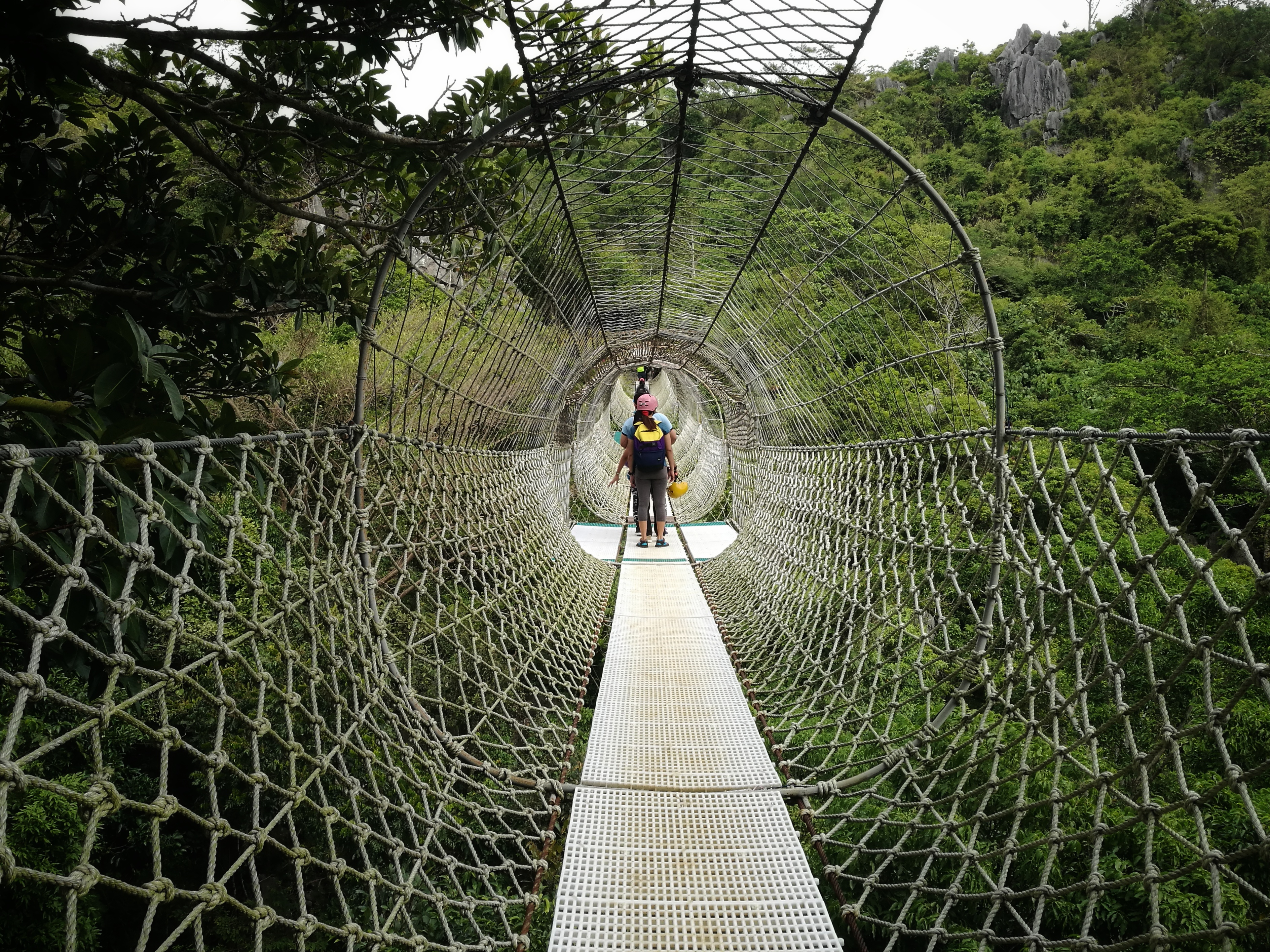
Next on the list of national park in Philippines is the Masungi Georeserve. Located in the watershed area in Rizal Province, this park is an award-winning ecotourism site that has received several prestigious accolades. Namely, from Forbes, the United Nations, and Philippines Department of Tourism.
Surrounded by gigantic sharp limestone mountains, it is no wonder the site is named after the word “masungki”, which literally means “spiked”. The discovery trail enables visitors to see the rugged karst view from up close and immerse themselves in Masungi’s magical scenery. After a tiring adventure, you can always stop by the Rock Garden and have a relaxing picnic with your loved ones.
As described in the official page, Masungi Georeserve is accessible by car via Kilometer 47, Marcos Highway. If you’re coming from Metro Manila direction, the entrance is located at the right after the Garden Cottages, Palo Alto markers, and Foremost Farms in Baras, Rizal.
9. Luneta National Park
National park in the Philippines are not always placed within the islands or mountains. In the heart of Manila City sprawls a green open space called the Luneta National Park or widely known as Rizal Park. Abundant with history and national pride, Luneta National Park is Manila’s celebrated landmark where the national hero—Dr. José Rizal —was executed in 1896. With Dr. José Rizal’s execution, the park serves as a powerful symbol of Filipino independence.
Apart from its historic background, Luneta National Park offers serene gardens, musical fountains, Chinese and Japanese-style gardens, making it the perfect spot for a chill afternoon stroll or a quiet little picnic.
FAQ’s about the national parks in Philippines
How many national parks are there in the Philippines?
Globalnationalparks.com recorded that there are currently around 94 national parks in Philippines. Over the years, Philippines shows a significant growth in the number of national parks. As part of the National Integrated Protected Areas System, these parks are designated to preserve the country’s biodiversity and cultural heritage as well as to support sustainable tourism.
What’s the biggest national park in the Philippines?
Mounts Iglit-Baco National Park is regarded as the biggest national park in Philippines, spanning over 75,455 hectares according to globalnationalparks.com.
When is the best time to visit the national parks of Philippines?
Generally speaking, the best time to visit the national parks in Philippines is during the drier weather from November to May. This is mainly because the dry season gives smoother access to distant areas and it is more convenient for outdoor activities.
Overall, national parks in Philippines contains a fantastic combination of the nation’s rich history and scenic naturescapes. Whether you’re looking for an adventure of a lifetime or simply just want to unwind for a while, Philippines have plenty of gorgeous park options that will guarantee you a memorable getaway.
This article was created by Seasians in accordance with the writing rules on Seasia. The content of this article is entirely the responsibility of the author.



