

Philippine’s Biak na Bato National Park just happens to be one of the best national park in Philippines where nature and history exist together in harmony. Mother nature and human history are closely intertwined, shaping each other across centuries. Each landscape we pass by may have its own story of past civilizations, reflecting how people have adapted to and influenced the environment.
This co-existence not only enriches our understanding of the past. But it also inspires a deeper sense of respect for the preservation of both the ecosystem and cultural heritage. In this article, we will take a closer look at Biak na Bato National Park’s natural and historical qualities.
Biak na Bato National Park at a glance
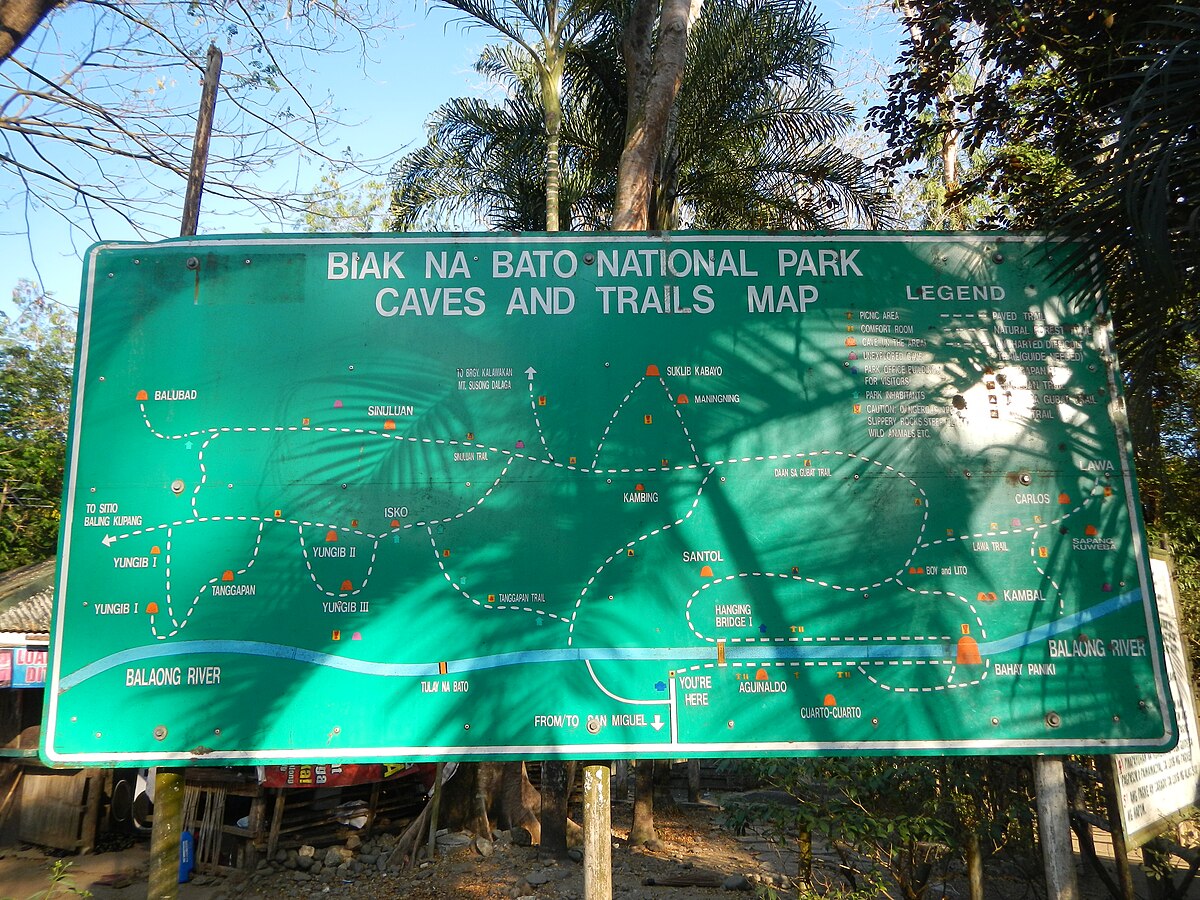
Biak na Bato National Park or locally referred to as the Pambansang Liwasan ng Biak-na-Bato is categorized as one of the country’s protected area. This 8,9 mile national park lies in the Bulacan Province, North Manila on Luzon Islands, specifically tucked in the foothills of Sierra Madre mountain range.
Since the park is nestled in Philippine’s highlands, National Parks Association describes Biak na Bato National Park’s topography as rugged and varied, with a mix of caves, rivers, forested hills, and humongous limestone cliffs. These gigantic rock formations and gorges features become the origin of the park’s name “Biak na Bato” which means “Split boulder”.
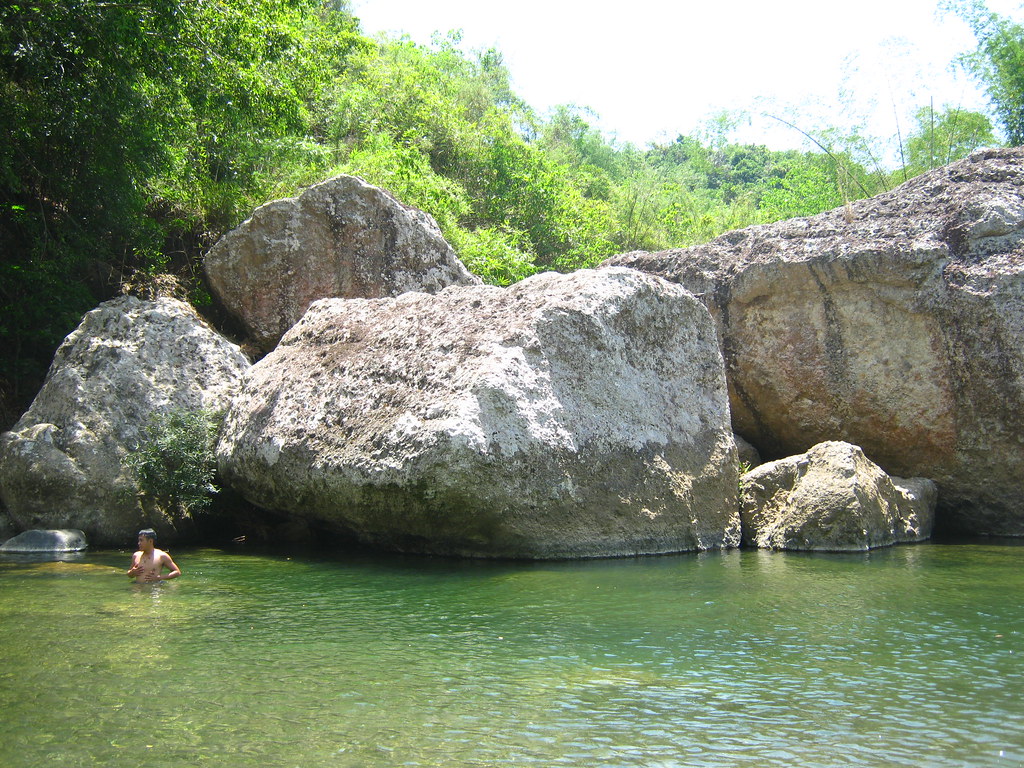
The crystalline waters of Madlum River carve the most enchanting landscape of pools, caves, and waterfalls, that are dispersed across the area. While the park’s karst and forest terrain forms an eye-catching backdrop like the ones in jungle adventure films. Out of all the striking areas in the park, Aguinaldo Cave, Tanggapan Cave, and Bahay Paniki Cave (House of Bats) is a beloved spot for history geeks considering its historical and geological value.
Besides humans, many endemic creatures also love this park. If you’re lucky enough, mammals like the civet cat and long-tailed macaque might come by to say hi to you. Visitors might also encounter other exotic species like monitor lizards, skinks, coucals, bulbuls, and kingfisher birds.
Biak na Bato National Park: A window into Philippines history
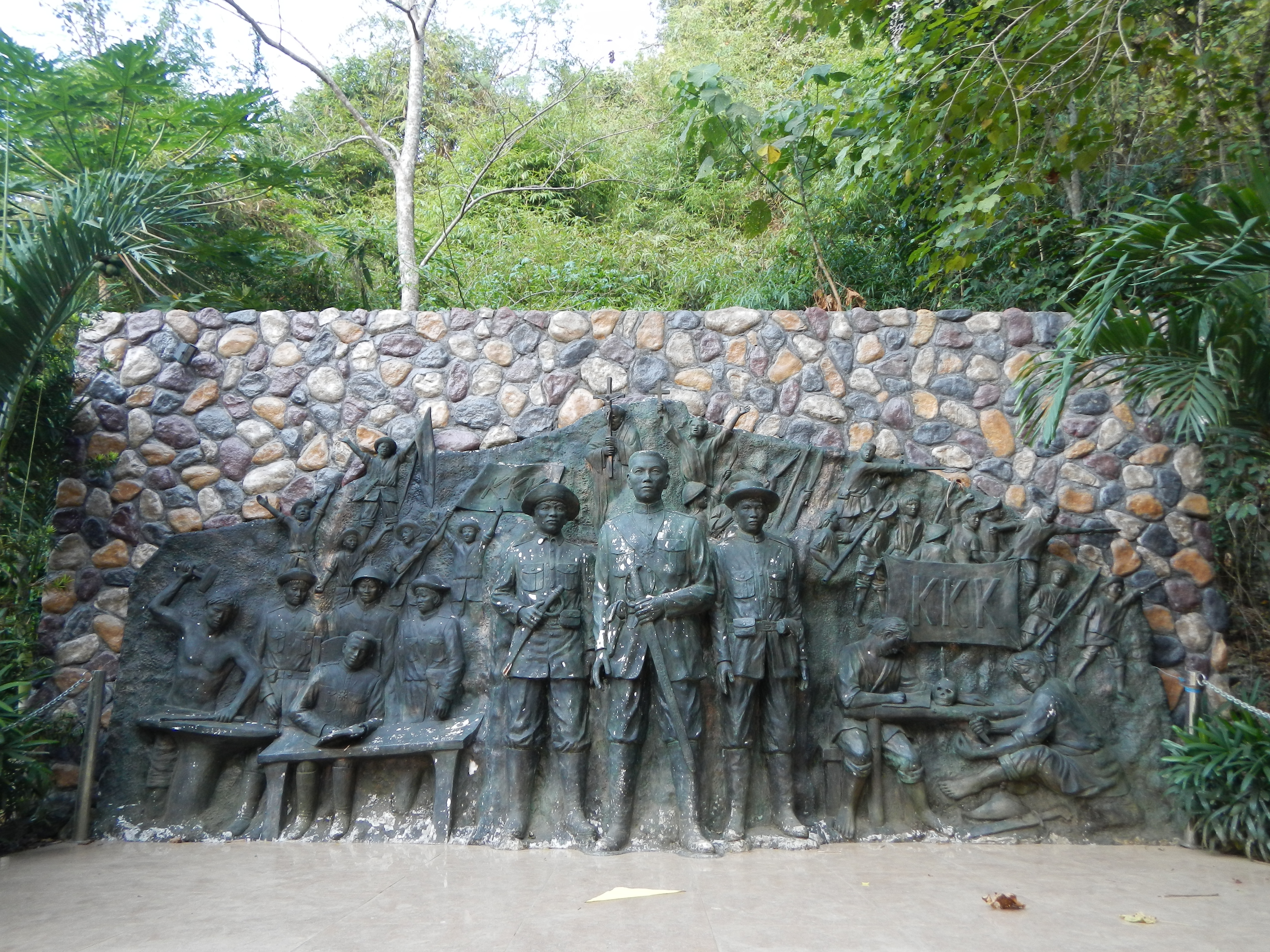
One of the values that differentiates Biak na Bato National Park from other national parks in Philippines is none other than its historical importance. According to showcaves.com, the caves of Biak-na-Bato area provides a great hiding spot for Katipunans—A Filipino revolutionary group—to run away from the Spanish Military forces during the end of the 19th century. The same revolutionary group formed Biak na Bato Republic on November 1st, 1897, making it the first republic Philippines has ever had.
Later in 1897, Emilio Aguinaldo—the leader of Katipunan group signed the pact of Biak na Bato with the Spanish Colonial Governor, Fernando Primo de Rivera. Eventually, the Spanish Government agreed to grant the revolutionaries amnesty and monetary indemnity, in exchange for their exile in Hong Kong.
This marks the end of the Republic of Biak na Bato and the Philippine revolution. However, it was then discovered that they actually used the funds to purchase weaponry.
How to get to Biak na Bato National Park
There are two transportation methods you can choose to get to Biak na Bato National Park from Manila City. Here’s the breakdown:
| Transportation mode | Route | Directions |
| Car | Manila-San Miguel, Bulacan | North Luzon Expressway-Sta. Rita exit-Plaridel Bypass Road, San Miguel, then ask locals for directions to Brgy. Madlum. |
| Bus | Manila-San Miguel, Bulacan | Bus to Gapan City or Cabanatuan City, arrive at Brgy. Kamias. Then ride a tricycle directly to the park |
Entrance fee and additional expenses
Before going to Biak na Bato National Park, here’s an essential information regarding the park’s entrance fee and additional expenses you might need to know:
| Entrance fee | 30 PHP/person |
| Guide fee | 300 PHP/group of 10 persons |
| Caving fee | 150 PHP/cave |
| headlamp rent | 30 PHP |
Activity Ideas in Biak na Bato National Park
Curated from Pinay Wise and Twomonkeystravelgroup, here are few ideas of things you can do to make the most of your trip to Biak na Bato National Park:
1. Hike at Mt. Gola and Mt. Manalmon
Mt. Manalmon and Mt. Gola at Biak na Bato National Park is a safe option for first timers. A hike to the top of Mt. Manalmon takes approximately 1 to 2 hours and to go back down takes around 1 hour. Besides Mt. Manalmon, you can also hike in Mt. Gola with hiking time of 30 minutes to 1-hour. Do note that to ensure your safety, it is required to bring a guide along.
2. Picnic by the riverside
The open grass area and riverbanks in Biak na Bato National Park provides a nice picnic space. Take a moment to unwind, munch on some foods, and immerse yourself in the tranquil lush woodlands of Sierra Madre. Remember to pack your own meal since there are hardly any food stalls around the area.
3. Swim in Madlum River
Imagine swimming in a clear refreshing river surrounded by nature with no sound pollution interfering your moment. You can experience that calming sensation in Biak na Bato National Park's Madlum River. Be sure to bring extra clothes, sunscreen, sunglasses, and a waterproof phone bag.
4. Take a tour to Tilandong Falls
After a tiring long hike, a quick stop to Tilandong Falls will wash all your fatigue away. The sight of cascading water and pristine turquoise pool creates a picturesque backdrop for your Insta update. Interestingly, this waterfall is also used for irrigation purposes as well as an electric power source, according to Visitmyphilippines.
5. Go on a cave exploration
It’s not everyday you get to experience exploring majestic caves. Which is why visiting the caves of Biak na Bato National Park is a must to include in your itinerary. Some of the popular caves include Bayubok, Madlum, Aguinaldo Cave, and Tanggapan Cave. The landscape of the caves in this park is just so scenic that even Madlum Cave was used as a setting for the TV show “Mulawin”.
Biak na Bato National Park offers a different side of Philippines, where nature and history blend together to construct an exceptional ecotourism site. The park can be visited all-year-round at any time of day, so save this guide and be sure to put Biak na Bato in your Philippines bucket list.
This article was created by Seasians in accordance with the writing rules on Seasia. The content of this article is entirely the responsibility of the author.



