


While the Gregorian calendar is the global standard for most countries, a few nations continue to use alternative calendar systems for civil, religious, or cultural reasons.
Ethiopia, Iran, Afghanistan, Nepal, and, to a lesser extent, Saudi Arabia, have preserved distinct calendrical traditions that reflect their histories and identities.
These calendars serve as more than timekeeping tools, they symbolize cultural autonomy, religious belief, and historical continuity.
As globalization expands, these countries have learned to navigate between their traditional calendars and the Gregorian system, balancing modernity with heritage.
Ethiopia
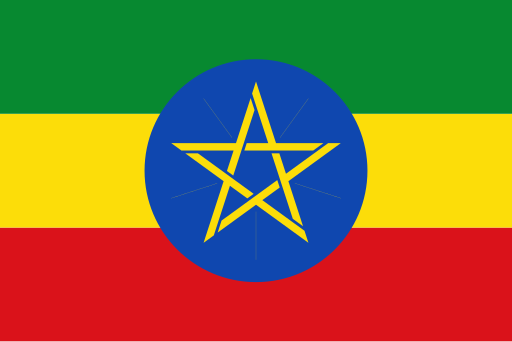
Ethiopia is perhaps the most well-known country that does not follow the Gregorian calendar. Instead, it uses the Ethiopian calendar, which is roughly seven to eight years behind the Gregorian calendar.
This system is based on the ancient Coptic calendar, which in turn was adapted from the older Egyptian calendar.
The Ethiopian calendar consists of 13 months, 12 months of 30 days each and a 13th month called "Pagumē," which has five days (or six days in a leap year).
The Ethiopian New Year falls on September 11 (or September 12 in a Gregorian leap year), which marks the end of the rainy season.
One of the main differences comes from the calculation of the Annunciation of Jesus, which the Ethiopian Church dates to 7 or 8 years later than the Gregorian Church does.
Ethiopia’s calendar is used for both civil and religious purposes. However, for international and business affairs, Ethiopians are also familiar with the Gregorian system, and many institutions function with dual dates.
Iran
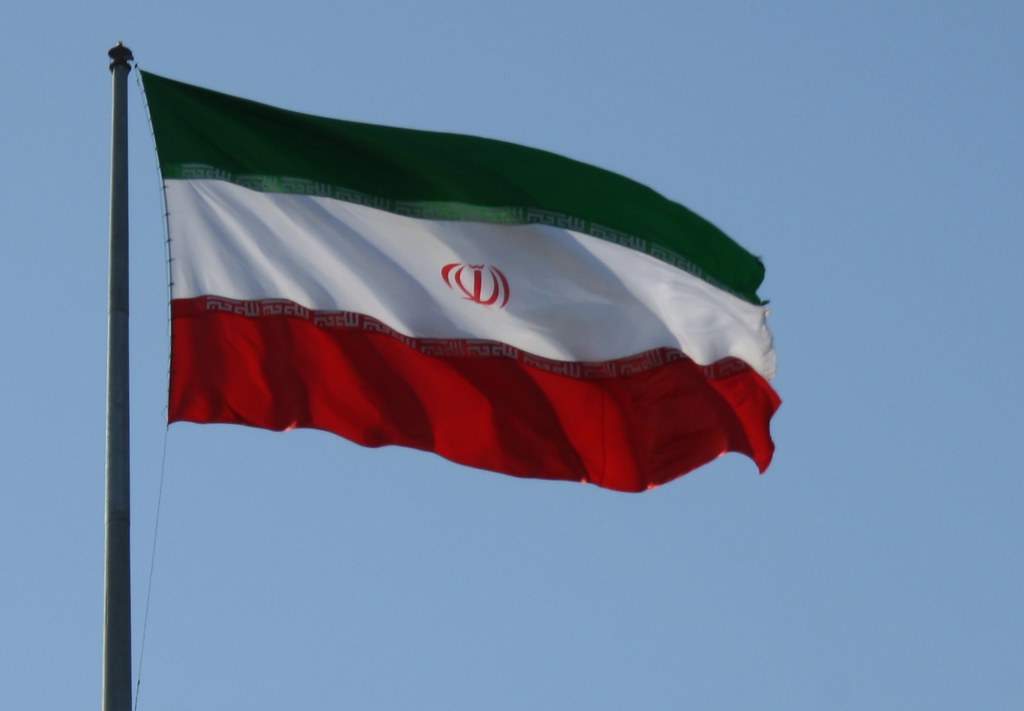
Iran follows the Solar Hijri calendar, also known as the Persian calendar. It is a solar calendar rather than a lunar one, which distinguishes it from many other Islamic-based systems.
The Solar Hijri calendar is remarkably accurate in aligning with the solar year and begins on Nowruz, the Persian New Year, which occurs on or around March 20 or 21 in the Gregorian calendar.
The calendar is deeply embedded in Persian culture and is used in all aspects of life in Iran, including official government documents, education, and media.
The year count in the Solar Hijri system begins with the Hijra, the migration of the Prophet Muhammad from Mecca to Medina, similar to the Islamic lunar calendar. However, because it is solar, it remains in sync with the seasons.
Despite using the Solar Hijri calendar internally, Iran also references the Gregorian calendar for international business, travel, and diplomacy, often presenting dates in both formats when needed.
Afghanistan

Afghanistan also uses the Solar Hijri calendar, the same as Iran. The calendar is referred to locally as the "Shamsi calendar" and, like in Iran, it begins in the spring with Nowruz.
The Afghan version has local month names, but the structure is largely the same, with 12 months and leap years aligning with the astronomical solar year.
The Solar Hijri calendar is used in schools, government, and daily life across Afghanistan. However, Arabic and Gregorian calendars are also familiar to many Afghans, particularly in religious contexts and international dealings.
The Islamic lunar calendar is also used for religious holidays like Ramadan and Eid, but for civil and administrative purposes, the Solar Hijri calendar is dominant.
Nepal

Nepal uses the Vikram Samvat calendar as its official civil calendar, although the Gregorian calendar is also widely recognized and used.
The Vikram Samvat system is a lunisolar calendar that is approximately 56.7 years ahead of the Gregorian calendar. For example, the year 2025 in the Gregorian calendar corresponds to the year 2082 in Vikram Samvat.
This calendar is named after King Vikramaditya and has its roots in ancient Hindu tradition. It consists of 12 months and incorporates both lunar and solar cycles to determine dates. The new year usually starts in mid-April, with the exact date shifting slightly each year.
Vikram Samvat is used for government documents, cultural events, and Hindu festivals, while the Gregorian calendar is common in media, education, and tourism.
Saudi Arabia

While Saudi Arabia officially adopted the Gregorian calendar for civil use in 2016 to align more closely with global business practices, it still heavily relies on the Islamic Hijri calendar for religious purposes.
The Hijri calendar is purely lunar and consists of 12 months totaling about 354 or 355 days, which means it does not align with the solar year. This causes Islamic months to drift about 10 to 11 days earlier each Gregorian year.
Islamic holidays such as Ramadan, Eid al-Fitr, and Hajj are determined strictly by the Hijri calendar. In public life, both calendars are visible, for example, on official websites, signage, and religious schedules.
Even though the Gregorian calendar is now more widely used for administrative and economic matters, the Hijri calendar retains a strong cultural and religious role.
North Korea

North Korea uses the Juche calendar, which is based on the birth year of the country’s founding leader, Kim Il-sung.
Year 1 of the Juche calendar corresponds to 1912 in the Gregorian calendar, the year Kim Il-sung was born. For example, the Gregorian year 2025 is Juche 114.
The Juche calendar was introduced in 1997 as a way to reinforce North Korea’s ideology of self-reliance and devotion to the ruling Kim dynasty.
It is used alongside the Gregorian calendar within the country, with official documents, publications, and monuments often displaying both dates.
Despite its symbolic and ideological significance, the Juche calendar is not recognized outside of North Korea, and the Gregorian calendar is still used for international communication, diplomacy, and trade when necessary.
Nonetheless, within North Korea, the Juche calendar remains a potent tool of political messaging and national identity.


