
There are three prominent figures in the world who do not hold passports: King Charles III of the United Kingdom, Emperor Naruhito, and his wife, Empress Masako of Japan. This exceptional privilege has been extended to monarchs for generations, and it remains a unique aspect of their royal status.
Before King Charles III, this exemption from holding a passport also applied to his mother, Queen Elizabeth II, and other previous British monarchs.
In the case of the UK, passports are officially issued in the name of the reigning monarch, meaning the monarch does not need a passport themselves to travel internationally. This practice is deeply rooted in the tradition of the British monarchy, where the monarch is considered the personification of the state.
Similarly, Emperor Naruhito and Empress Masako of Japan enjoy the same privilege. As symbols of the state and the unity of the Japanese people, the emperor and his consort are not required to carry passports for their international travels.
This exemption is also applicable to past Japanese emperors and empresses, reflecting Japan's historical reverence for their royal family as an institution above the usual rules of citizenship.
Why Don’t They Need Passports?
The absence of passports for monarchs such as King Charles III and Emperor Naruhito highlights the symbolic nature of their positions. In both the United Kingdom and Japan, the monarch represents the state itself, and as such, they are not bound by the typical regulations that govern the citizens of those nations.
For example, King Charles III, as the head of state of the UK and the Commonwealth, is considered the ultimate authority in matters of state. The UK's passport system issues documents in the monarch's name, symbolizing the idea that the monarch is the source of authority and that they themselves do not need a personal passport.
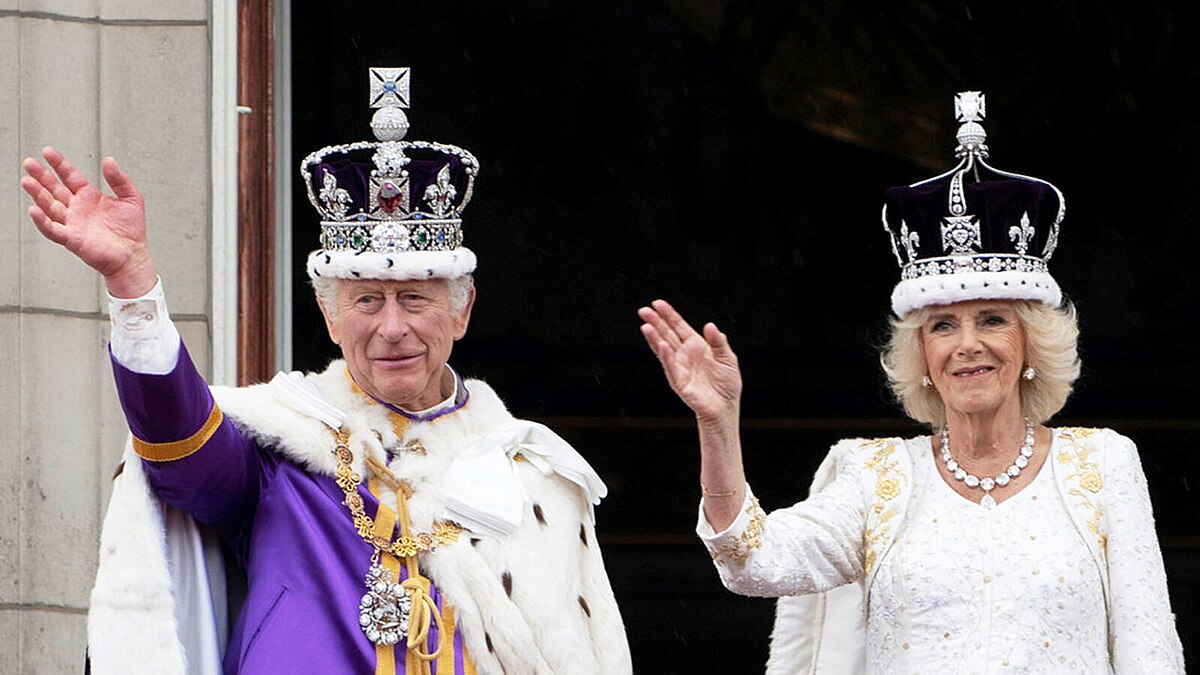
Similarly, in Japan, the Emperor is regarded as a figurehead who embodies the unity of the Japanese people, and as such, the emperor’s position transcends the need for a passport.
This exemption is also a symbol of the sovereignty of the monarch. Since they are the supreme figure in their respective countries, their travel abroad is seen as an extension of their role as the representative of the state, and they carry the authority of the entire nation with them, rather than individual credentials like a passport.

A Tradition Shared by Past Monarchs
This tradition of monarchs traveling without passports is not a new development, but a longstanding practice. For example, Queen Elizabeth II, like her predecessors, was also exempt from the necessity of a passport, as is customary for the British monarch.
Similarly, Emperor Hirohito and previous Japanese emperors did not require passports when traveling abroad, as the role of the emperor was seen as symbolic, not tied to the same legal frameworks as other citizens.
The policy continues to reflect the unique position of these monarchs, whose travels, whether official or private, are always seen as an extension of their role as national figures, rather than personal travel experiences.
The Symbolic Nature of Royal Travel
The exemption from needing a passport is just one of the many privileges that come with the status of being a monarch. For both King Charles III and Emperor Naruhito, and their predecessors, this exception speaks to the unique position they hold in their respective nations.
They represent more than just individuals; they embody the state, its traditions, and its people.
As such, these monarchs do not need passports, symbolizing their role as the living embodiment of their country’s authority and sovereignty. Their travels are not just personal journeys, they are symbolic acts that reinforce their position at the pinnacle of their nation’s hierarchy.