Southeast Asia is known for its cultural richness, and this diversity is reflected in the variety of food found across the region. Despite the differences, one dish appears again and again in many countries. The one humble meal that many communities share in common: porridge.
Across Southeast Asia, porridge is always present. It’s served in street stalls, family kitchens, and shared at every level of daily life.
This dish is simple yet full of meaning. It is comfort food, a symbol of family togetherness, and at the same time one of the region’s most beloved street foods in Southeast Asia.
Popular in Morning Street Stalls
In some countries in Southeast Asia, porridge is a popular breakfast dish. Its soft texture and warm serving make it a morning favorite, bringing a sense of comfort to the stomach at the start of the day.
Take Chao Ga, Vietnamese rice porridge, that transforms humble ingredients into a bowl of warmth and nourishment. It’s commonly a breakfast, but also can be enjoyed as a quick lunch or even a remedy for the unwell.
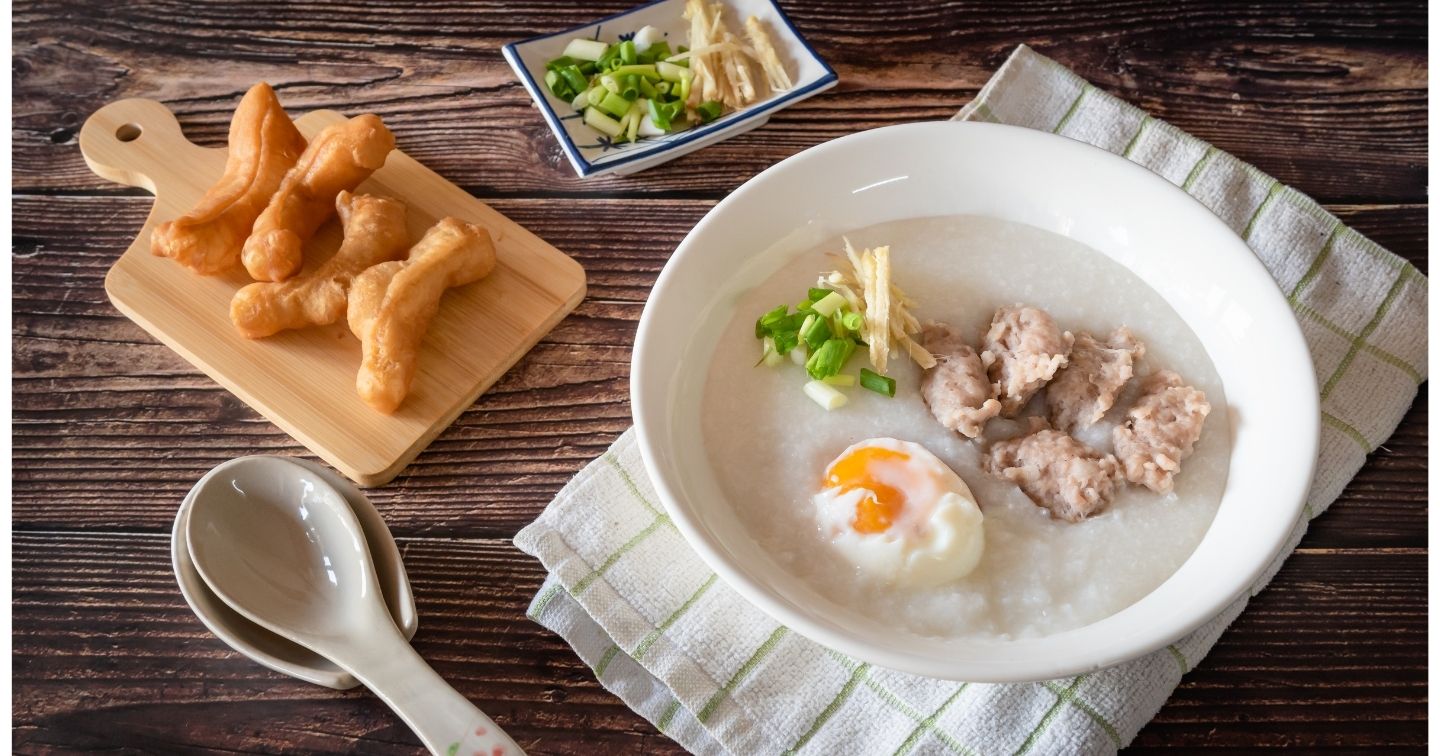
In Thailand, rice porridge known as Jok is a common sight in morning markets, where it has long been a favorite quick breakfast. This dish is usually served with a raw or soft boiled egg, pork meatballs, and liver slices.
The comfort of this dish makes it suitable for all ages, from children to the elderly. It's no wonder porridge became a favorite dish for breakfast.
From Family Kitchens to Traditions
Beyond the busy street foods, porridge also finds a quieter but equally important place at family tables. Here, recipes are shared across generations, turning a simple dish into a symbol of warmth and tradition.
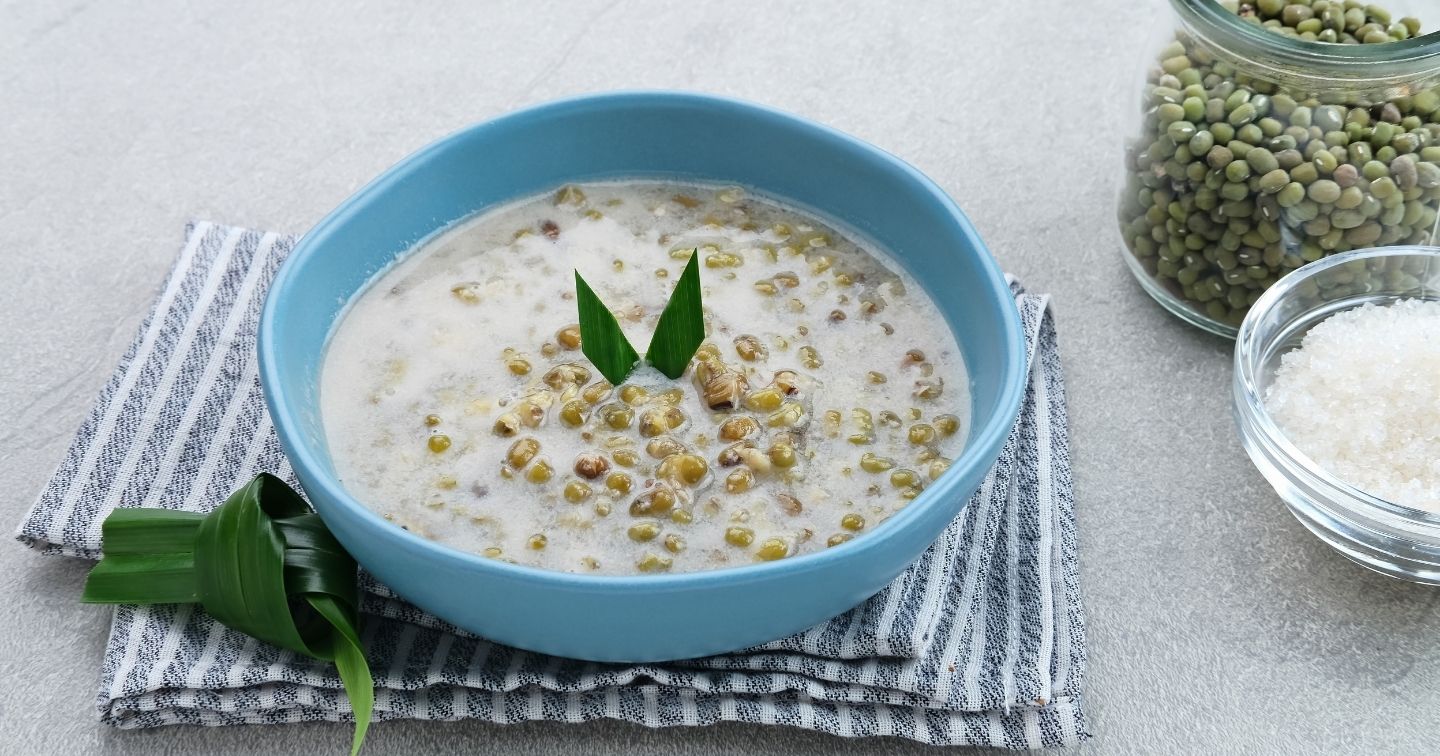
In Indonesia, people often make a sweet porridge like bubur kacang hijau to warm the body. It is made from mung beans, coconut milk, and palm sugar, and can be enjoyed as dessert.
Meanwhile, Indonesia also has a unique tradition with porridge, known as bubur merah putih, named after the red and white colors of the porridge. This sweet dish is commonly served for Javanese celebrations, such as welcoming a newborn, marriage, funeral, and any other event.
In Malaysia, Bubur Lambuk holds a special place in local hearts during Ramadan. This savory porridge has a delicious and warm taste, and is a symbol of solidarity because it is often distributed free in mosques at iftar.
Variations of Flavors
Some of the porridge in Southeast Asia is similar, especially when it comes to rice porridge. Many of them are influenced by Chinese congee, made by boiling rice with water until it becomes soft and thick.
Although congee is originally Chinese, it has been adapted across the region to suit local tastes. Each country has developed its own unique take on this dish.
Vietnam and Thailand often use pork broth, while Indonesia and the Philippines prefer chicken. Though they may look alike, the flavors differ to the distinct blends of spices and seasonings unique to each country.
In the end, porridge reminds us how a humble dish can bring cultures together, from the family kitchen to the street stall. Like many foods in Southeast Asia, porridge doesn’t just fill the stomach; but also nourishes the heart with comfort, warmth, and a spirit of community.
This article was created by Seasians in accordance with the writing rules on Seasia. The content of this article is entirely the responsibility of the author.