From yoga to Gua Sha, traditional healing rituals have found new life as global wellness trends. Indonesia may be next in line with kerokan, a folk therapy once reserved for treating "masuk angin".
With its striking visuals, cultural roots, and growing scientific interest, kerokan is well placed to capture international attention in a trillion-dollar industry hungry for authenticity.
What is Kerokan?
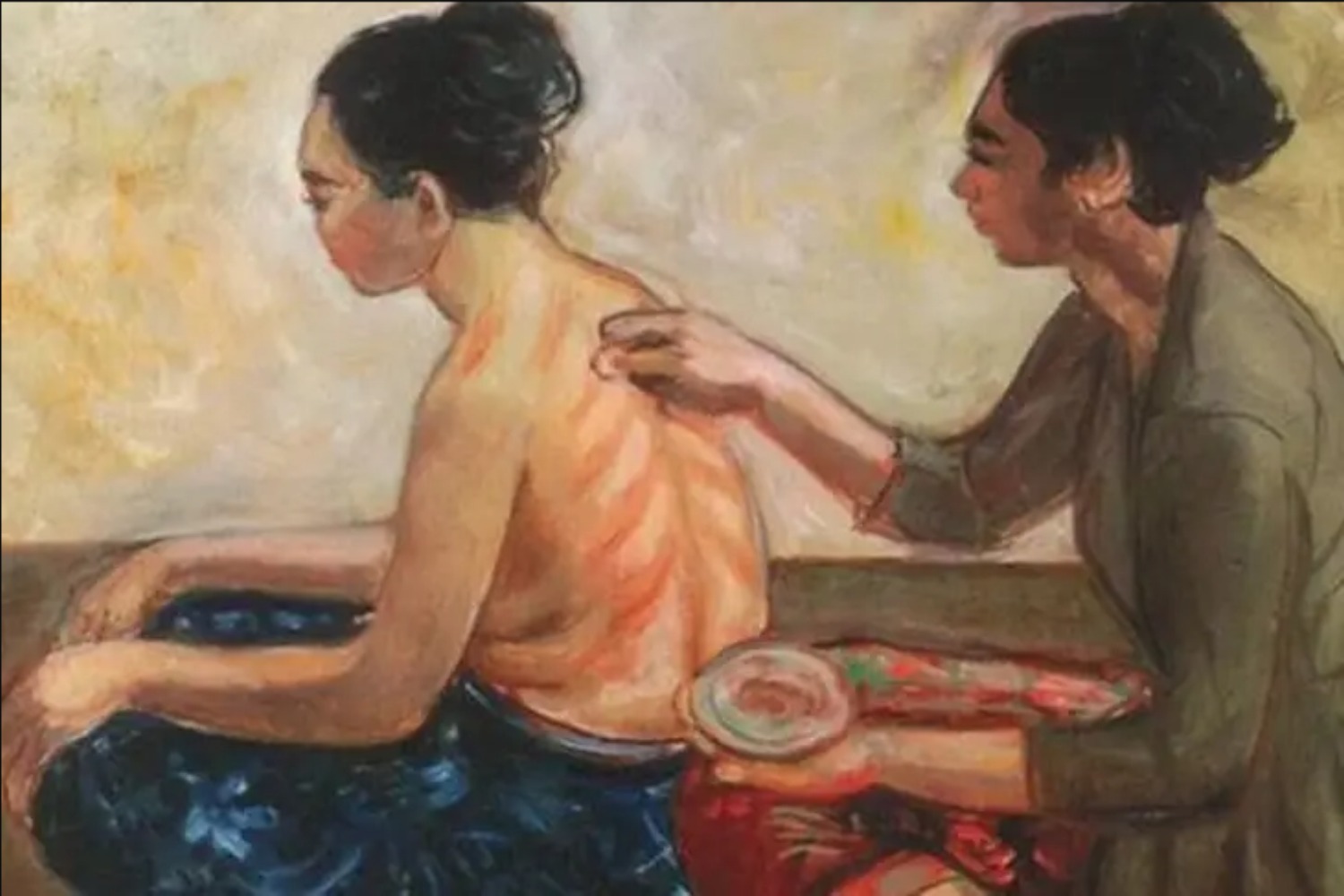
According to Good News From Indonesia (GNFI), kerokan is a traditional healing technique that involves scraping and pressing the skin with oil and a blunt object such as a coin. The coin is rubbed across areas like the back, shoulders, arms, or legs.
This friction affects blood vessels beneath the skin, creating red streaks known medically as ecchymosis. Far from being harmful, this reaction improves blood circulation, helping to ease the symptoms of masuk angin.
Coins are the most common tool, but kerokan can also be done with flat stones or even slices of shallot. To minimize skin irritation, practitioners commonly apply massage oil, herbal oil, or lotion
How Did Kerokan Begin?
The exact origins of kerokan are unclear, but the practice has been passed down through generations in Javanese culture. Some sources compare it to Gua Sha from China, another scraping therapy with similar methods and philosophy.
As explained in Harper’s Bazaar, “Gua” means “scrape” and “Sha” means “petechiae” (small red or purple spots on the skin).
Building on this meaning, Gua Sha is a traditional healing method that involves scraping the skin, typically on the upper back, to improve blood circulation, release heat toxins, stimulate lymphatic flow, activate key points throughout the body, and trigger an immune response that attracts beneficial cells to the area.
What Are the Benefits of Kerokan?
Traditionally, Indonesians use kerokan to relieve masuk angin. But as Dr. Alya Hananti wrote in Alodokter, research indicates other potential benefits such as easing headaches, reducing neck pain, alleviating breast swelling, soothing lower back pain, and even helping with perimenopausal symptoms.
When combined with conventional treatment, kerokan has in some cases shown better results than modern medicine alone, especially in managing perimenopausal syndrome.
Could Kerokan Be the Next Big Thing in Wellness Tourism?
The wellness tourism market is booming. Global Market Insights valued the industry at USD 995.3 billion in 2024, with projections of 13.2% annual growth until 2034. Meanwhile, Indonesia’s Ministry of Tourism noted that over half of tourism experts (56.41%) expect health and wellness travel to dominate in the coming years.
This shift shows that tourists are no longer looking only for leisure. They also want experiences that improve health, relaxation, and overall well-being.
That’s why kerokan has the potential to stand alongside wellness practices like yoga, acupuncture, plastic surgery retreats, and Gua Sha, offering a distinct experience that appeals to global travelers.
How to Turn Kerokan Into a Global Craze?
Research on Gua Sha has already demonstrated clear benefits including reducing migraines, easing perimenopausal symptoms, lowering inflammation, and even decreasing anxiety. By contrast, studies on kerokan remain limited. Still, early indications point to similar effects.
In my view, this deserves far more serious attention. Future research could focus on mapping out specific pressure points for kerokan, much as acupuncture has done, to maximize therapeutic benefits while avoiding sensitive areas.
This kind of scientific exploration would not only validate kerokan as more than a folk remedy but also unlock new medical applications waiting to be discovered.
The second step is addressing ethical and practical challenges. Commercializing cultural practices must be done responsibly. Local communities should benefit directly through training, certification, and business opportunities.
Indonesia already has a foundation for this with Government Regulation No. 103/2014, which requires traditional health practitioners to hold professional certification (STRTKT). This ensures safety, hygiene, and credibility for international visitors.
The third step is emphasizing accessibility. Part of Gua Sha’s global success lies in its simplicity like no batteries, no technology, just a tool that soothes.
The same is true for kerokan, all it needs is a coin and massage oil. By highlighting this low-cost, low-tech nature, kerokan can appeal to wellness seekers who want something authentic, easy, and effective.
Finally, the fourth step is harnessing social media power. Platforms like TikTok turned Gua Sha into a viral phenomenon.
With Indonesia’s massive social media user base, kerokan has the same potential. By blending cultural storytelling with digital virality, Indonesia could position kerokan as the next must-try wellness trend.
With careful promotion, kerokan could grow from a household remedy into one of Indonesia’s most valuable cultural exports in wellness tourism. Its simple tools and deep tradition may inspire the world as a symbol of natural healing and renewal.
Sources:
https://farmalkes.kemkes.go.id/unduh/pp-103-2014/
https://www.gminsights.com/industry-analysis/wellness-tourism-market
https://www.alodokter.com/ketahui-manfaat-dan-risiko-kerokan-dari-sisi-medis
https://www.harpersbazaar.com/beauty/skin-care/a11234/gua-sha-treatment/
This article was created by Seasians in accordance with the writing rules on Seasia. The content of this article is entirely the responsibility of the author.