


Sanur in Bali has entered a new chapter in its history. Long known for the iconic Bali Beach Hotel, which was launched by President Soekarno in 1962 and opened in 1966, the area has now been transformed into the Sanur Special Economic Zone (SEZ).
This is no longer just a tourist destination; it is now Indonesia’s first SEZ dedicated to health and medical tourism.
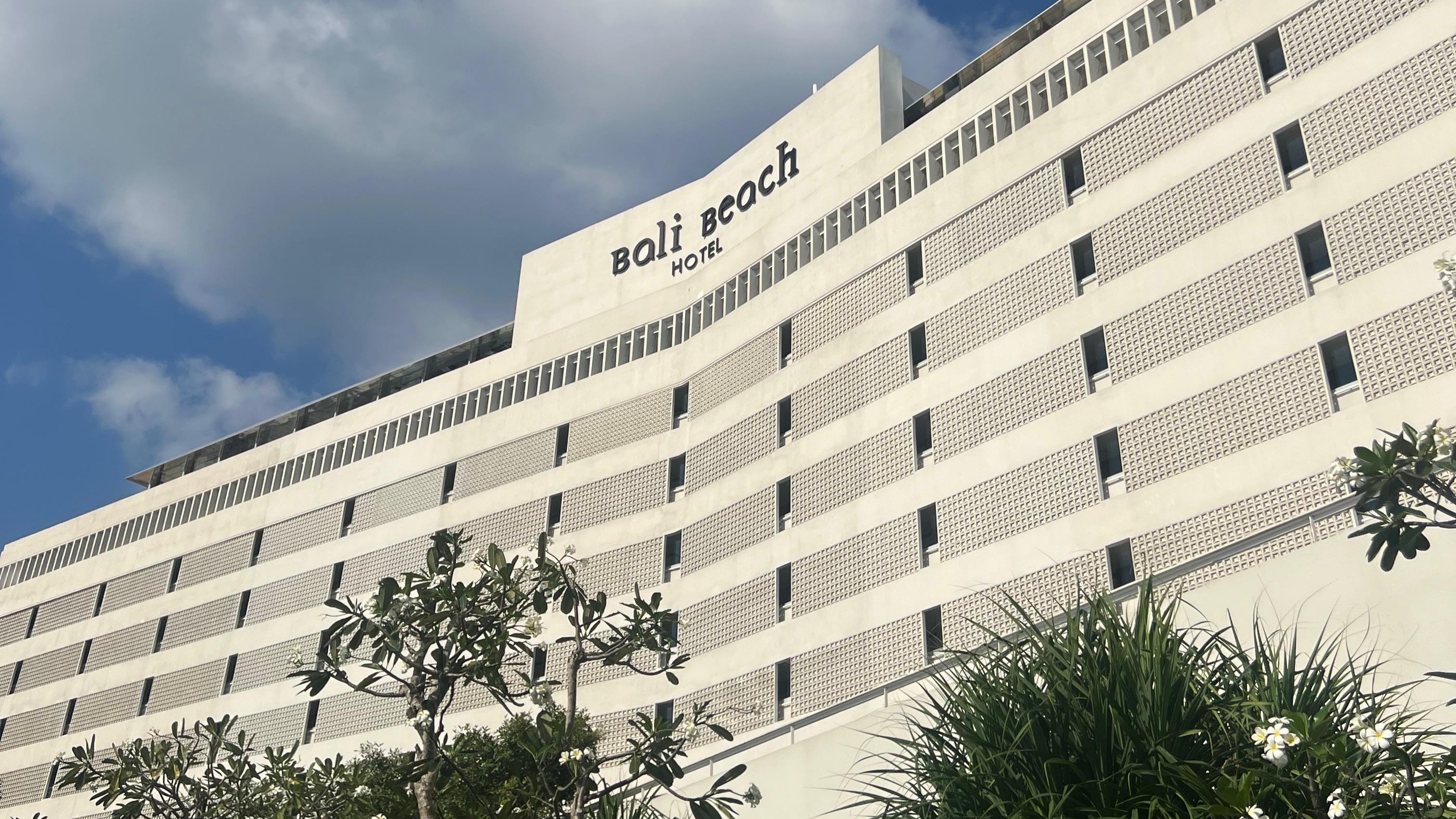
Since its establishment, the legendary hotel—now known as The Sanur—has undergone several name changes: from InterContinental Bali Beach Hotel (BBIH), Bali Beach Hotel, The Grand Bali Beach, to Grand Inna Bali Beach Hotel.
Today, this historic area offers not only accommodation with breathtaking views of the Indian Ocean but also stands as the centerpiece of Indonesia’s ambitious vision to develop medical tourism.
Rising to the Challenge of Medical Tourism
Medical tourism in the ASEAN region has long been dominated by Singapore and Malaysia. During the official launch of the Sanur SEZ (June 25, 2025), Minister of State-Owned Enterprises Erick Thohir highlighted that two million Indonesians seek medical treatment abroad each year, spending up to Rp150 trillion (≈ USD 9.68 billion). Around 74% of this market is captured by the two neighboring countries.
The Sanur SEZ is designed to reverse this trend. With world-class facilities, attractive incentives such as tax holidays of up to 20 years, import duty exemptions, and relaxed labor and immigration regulations, the zone aims to draw top medical professionals from around the globe and bring cutting-edge medical technology to Indonesia.
Its ultimate goal is to shift Indonesia’s medical tourism pattern from outbound to inbound, transforming the country from a source of patients going abroad into a destination that attracts international patients for treatment at home.
Bali International Hospital: The Flagship of Sanur SEZ
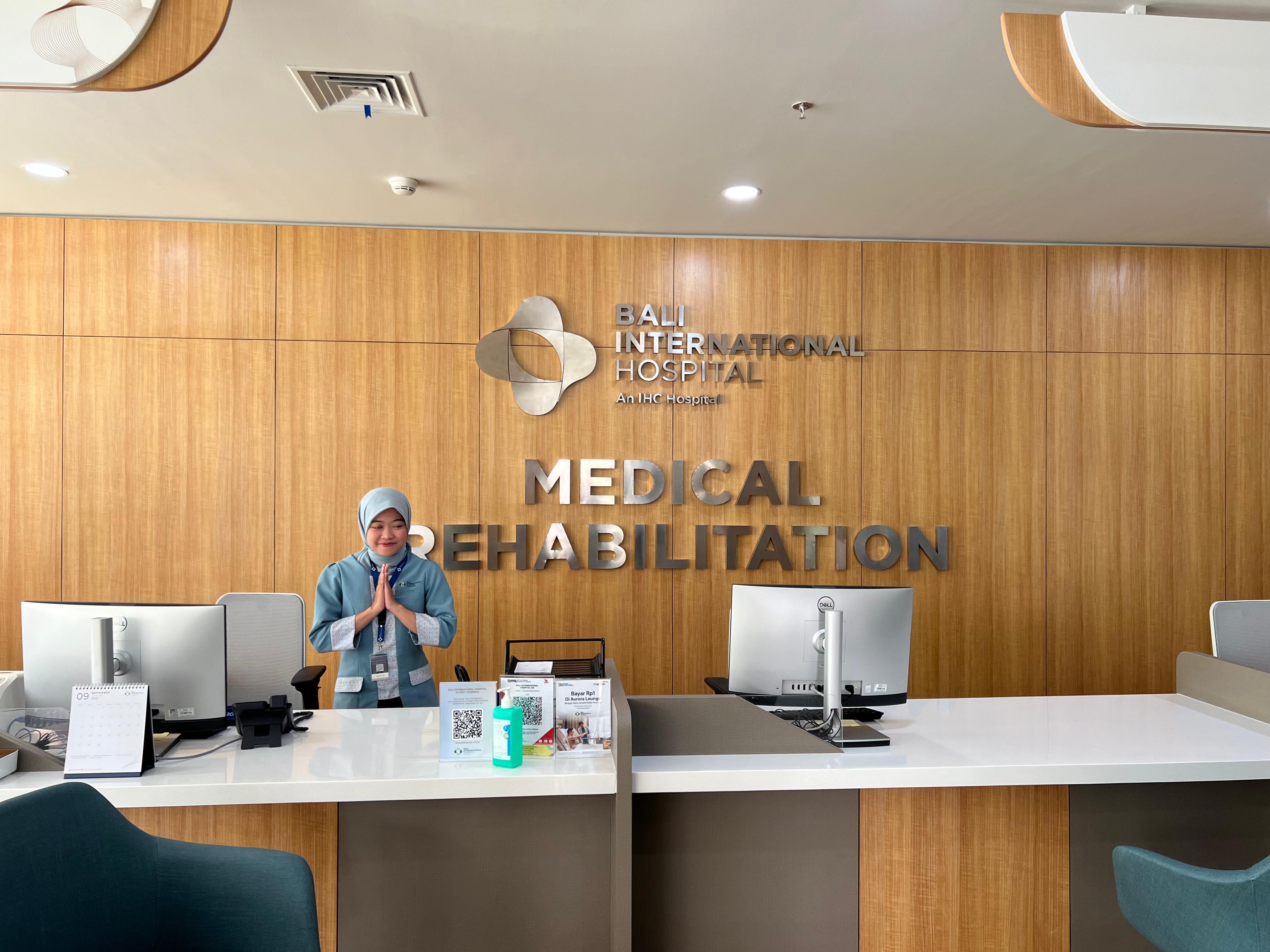
At the heart of this development is the Bali International Hospital (BIH), a state-of-the-art facility operating 12 Centers of Excellence, including oncology, cardiology, and aesthetic medicine.
Each patient room is designed by renowned architects, blending Balinese cultural elements with advanced technology, including AI-driven systems that provide 24-hour health monitoring.
BIH’s strength also lies in its extensive network of partnerships. The hospital collaborates with 12 international health insurance providers and 30 global hospitals for referral systems.
It has also established strategic partnerships with Icon Cancer Centre, Sapporo Cardiovascular Clinic, and Innoquest. By mid-June 2025, BIH had treated 1,425 patients, 60% of whom were from overseas—marking the beginning of international recognition for Sanur as a premier destination for medical tourism.
The Wellness Village Concept
One of the unique highlights of the Sanur SEZ is its Wellness Village concept, which blends modern medicine with local wisdom. Visitors can experience Usada Bali (traditional healing practices based on ancient manuscripts) in the morning, and in the afternoon receive nutrigenomics consultations that apply cutting-edge scientific approaches.
According to InJourney CEO Maya Watono, this concept is part of Indonesia’s strategy to differentiate itself in the global medical tourism market.
“We try to build something that’s very Balinese, very Indonesian—harmonizing science with tradition,” she said in an interview at Bali Beach Hotel (September 24).
Maya added that the Sanur SEZ was developed by combining advances in medical technology with the roots of local culture, creating a harmony between science and tradition. InJourney continues to promote Balinese culture as a unique identity that is showcased throughout the area, making cultural value an integral part of the health and wellness tourism experience.
Government Support and the Master Plan
The Sanur SEZ has received direct attention from the central government. The President of Indonesia officially inaugurated the first phase of the development, underscoring its status as a national priority.
In the same interview, Maya emphasized the scale of the project:
“This is the first time (initiative) for health. So it's a very big project for Indonesia and it's a breakthrough in terms of a lot of policy.”
She acknowledged that there were bureaucratic challenges, especially regarding regulations for foreign medical professionals and the import of health technologies. However, thanks to cross-ministerial collaboration, local government support, and the participation of the Balinese community, these obstacles have been successfully addressed.
Maya also stressed that the management of the SEZ strictly follows a comprehensive master plan and feasibility study to ensure long-term development stays on course:
“Whoever is managing it has to follow the master plan that we've set for the long term of the special economic zone.”
Investment and Economic Impact
The Sanur SEZ spans 41.26 hectares in Denpasar City, with a total planned investment of Rp10.2 trillion (≈ USD 658 million). It is projected to create 18,375 direct jobs and 25,272 indirect jobs. By the first quarter of 2025, realized investment had reached Rp4.42 trillion (≈ USD 285 million), generating 3,822 new jobs.
Nationally, all SEZs across Indonesia have collectively recorded Rp276 trillion(≈ USD 17.8 billion) in cumulative investment, with Sanur SEZ among the significant contributors. Its long-term projection is to become a driver of value-added economic growth, in line with the vision of Indonesia Emas 2045 or The Golden Indonesia 2045.


