


Deforestation is a global environmental issue that has far-reaching impacts on climate, biodiversity, and local communities.
While many nations struggle with high rates of forest loss, there are countries that have managed to preserve much of their forest cover through strong policies, cultural values, and sustainable development practices.
These countries serve as examples of how careful stewardship of natural resources can lead to long-term environmental and economic benefits. Below are some of the countries that consistently report the lowest rates of deforestation.
Bhutan
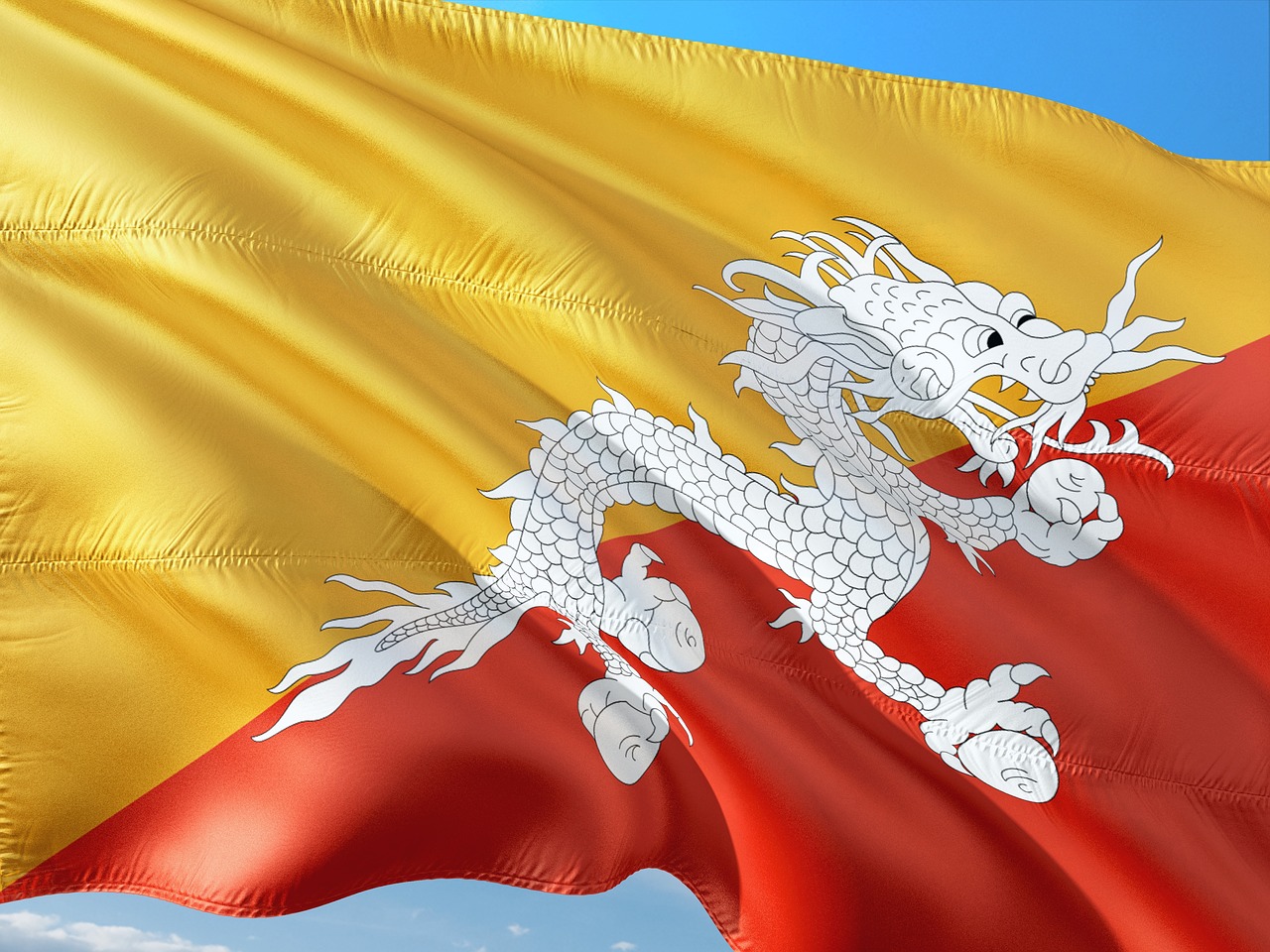
Bhutan stands out as one of the most environmentally conscious countries in the world. Nestled in the eastern Himalayas, this small nation has made environmental conservation a core part of its national identity.
The country’s constitution mandates that at least 60 percent of its total land area remain under forest cover at all times.
Currently, forests cover over 70 percent of Bhutan’s land, and the country is not only carbon neutral but actually carbon negative, absorbing more carbon dioxide than it emits.
Bhutan's approach is driven by its development philosophy of Gross National Happiness, which emphasizes sustainability and environmental protection over mere economic growth.
The government imposes strict regulations on logging and forest use, and large-scale deforestation is virtually non-existent.
Furthermore, community forestry programs empower local populations to manage and benefit from their forests sustainably. These efforts have kept Bhutan’s deforestation rates among the lowest in the world.
Suriname
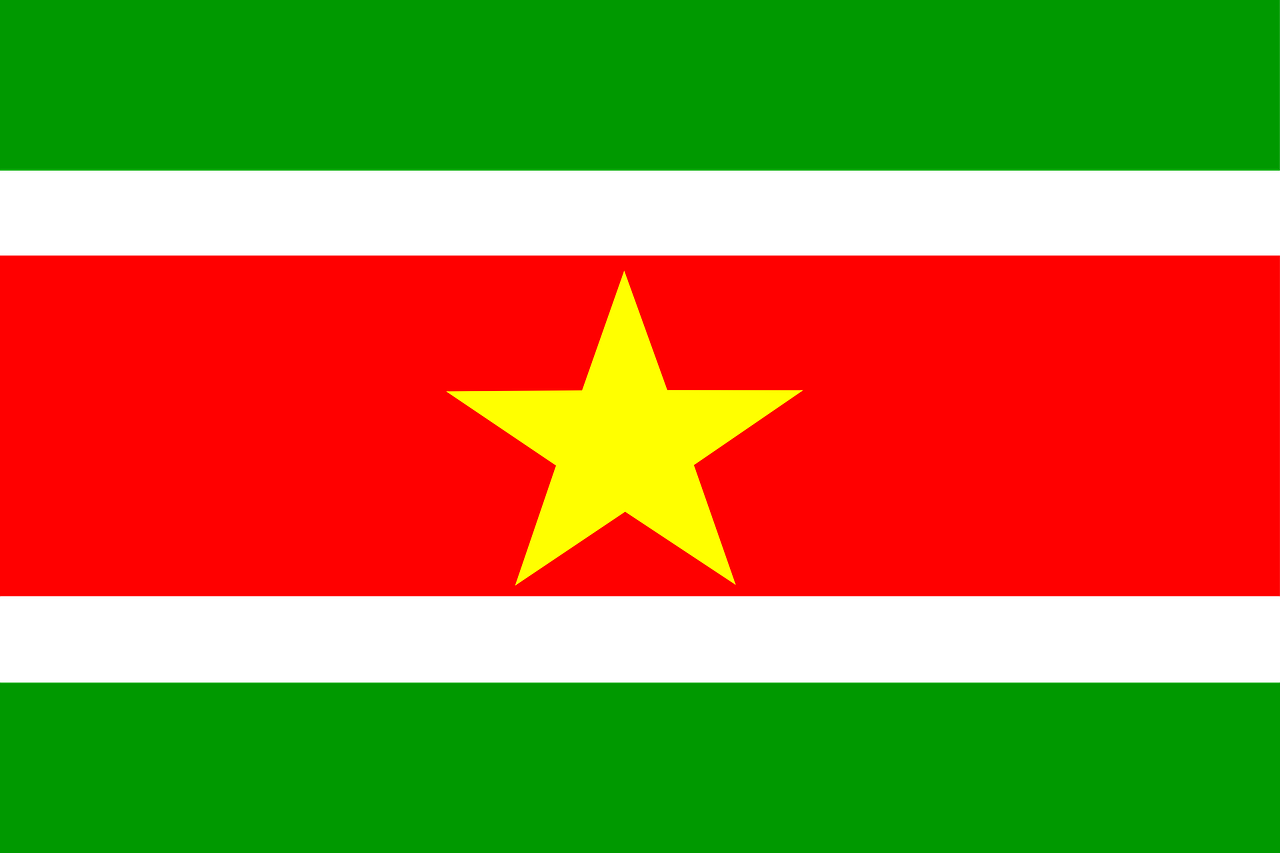
Located on the northeastern coast of South America, Suriname is one of the most forested countries on the planet. More than 90 percent of the country is covered in tropical rainforest, much of which is untouched by industrial development.
Suriname has managed to avoid large-scale deforestation due to a combination of low population density, limited infrastructure, and strong legal protections for its forests.
The country is a member of the High Forest Low Deforestation (HFLD) initiative, which supports nations that have maintained high levels of forest cover and low rates of deforestation. Suriname’s Indigenous communities also play a vital role in forest preservation.
Their traditional knowledge and reliance on forest ecosystems for subsistence have contributed to maintaining these natural landscapes. Though Suriname faces potential threats from mining and logging, its overall deforestation rates remain very low compared to the global average.
Finland

Finland is an example of how a developed nation can balance forestry with sustainable environmental practices. Approximately 75 percent of Finland is covered by forests, making it one of the most forested countries in Europe.
Although forestry is a significant sector in the Finnish economy, the country has implemented rigorous laws and forest management techniques that ensure sustainable use and regeneration of forest resources.
Forests in Finland are largely privately owned, but government regulations require that any tree removed must be replaced. Reforestation and afforestation are standard practices, and Finland invests heavily in research to ensure that its forestry methods are sustainable.
Because of these practices, the country has maintained a stable forest cover for decades, and deforestation rates are minimal or non-existent.
Slovenia

Slovenia, a small European country nestled in the Alps, boasts over 60 percent forest cover and some of the best-preserved woodlands in Europe.
The country’s commitment to sustainable forest management dates back centuries, and it continues to follow strict regulations that ensure forests are maintained for future generations.
In fact, Slovenian forests have been expanding slowly but steadily over the years, in part due to strong public policies and environmental awareness among its citizens.
Most Slovenian forests are managed under close supervision, with logging activities carefully controlled and replanting mandatory.
The Forest Act and various national strategies aim to preserve biodiversity and reduce the impact of human activities on natural ecosystems. As a result, Slovenia has among the lowest deforestation rates in the European Union.
Gabon

Gabon is one of the few African countries that has made significant progress in forest conservation. Situated along the equator in Central Africa, Gabon is covered by dense tropical rainforests that harbor incredible biodiversity.
More than 85 percent of the country is forested, and the government has implemented ambitious policies to maintain this coverage.
One of Gabon’s key strategies has been the establishment of a network of national parks, which now cover around 11 percent of the country.
Gabon has also partnered with international organizations and foreign governments to finance forest conservation and promote sustainable logging practices.
While illegal logging and economic pressures remain concerns, Gabon’s overall deforestation rates are low, and the country has become a model for sustainable forest management in Africa.


