


Coal continues to be one of the most important energy resources in the world, especially for electricity generation and industrial production. Although the global energy landscape is shifting toward renewable sources, coal remains a key player in many national economies.
The following countries hold the largest proven coal reserves and play significant roles in global coal production and consumption.
1. United States

The United States holds the largest coal reserves in the world, estimated at over 250 billion metric tons. These reserves are mainly found in the Powder River Basin in Wyoming and Montana, the Appalachian region, and parts of the Midwest.
Although coal’s share in U.S. electricity generation has declined due to competition from natural gas and renewables, it still contributes significantly to the energy mix.
The U.S. also exports coal, particularly metallurgical coal used in steelmaking, to countries in Europe and Asia.
2. Russia

Russia possesses the second-largest coal reserves globally, with around 160 billion metric tons. These reserves are concentrated in Siberia and the Russian Far East. Russia is both a major coal producer and exporter, with key markets in Asia, including China and India.
While Western sanctions have complicated some trade routes, Russia continues to expand its coal infrastructure in eastern ports to serve Asian demand. Coal remains vital to Russia's domestic energy security and export revenues.
3. China

China has the third-largest coal reserves in the world, estimated at approximately 143 billion metric tons. The majority of these reserves are located in provinces such as Shanxi, Inner Mongolia, and Shaanxi.
As the world’s largest coal consumer and producer, China uses coal to meet more than half of its energy needs. Despite substantial investments in renewable energy, coal remains essential to fueling China's industrial sector and supporting its rapid economic development.
4. Australia

Australia ranks fourth in global coal reserves, with approximately 149 billion metric tons. Most of the reserves are found in Queensland and New South Wales.
While Australia’s domestic consumption is relatively modest, it is one of the world’s largest exporters of both thermal and metallurgical coal.
Major customers include Japan, South Korea, India, and China. Coal exports are a key component of the Australian economy, even as the country faces international and domestic pressure to reduce its carbon emissions.
5. India
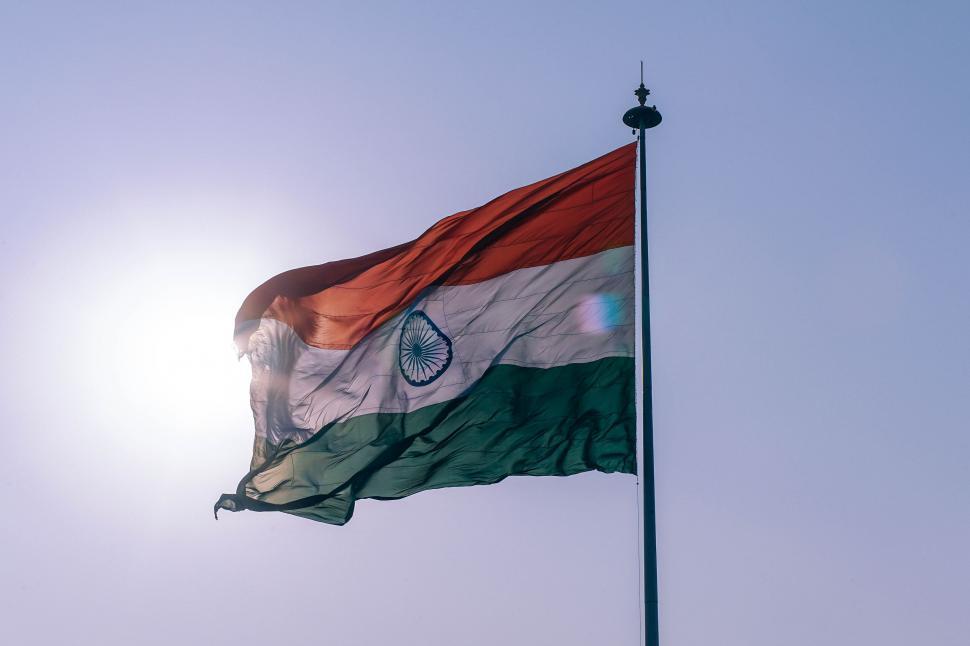
India holds the fifth-largest coal reserves, with around 111 billion metric tons. The country relies heavily on coal for electricity generation, with about 70% of its power coming from coal-fired plants.
The majority of India's reserves are located in Jharkhand, Odisha, Chhattisgarh, and West Bengal.
As India continues to industrialize and expand its infrastructure, coal demand remains high. At the same time, India is under growing pressure to transition toward cleaner energy sources to address pollution and climate change.
6. Germany

Germany has coal reserves of approximately 39 billion metric tons, primarily in the form of lignite, or brown coal. These reserves are found mainly in the Rhine, Lusatia, and Helmstedt regions.
Despite efforts to phase out coal by 2038 as part of its climate agenda, Germany still relies on coal for a portion of its energy needs, especially during times of energy uncertainty, such as the reduction of Russian gas imports.
7. Indonesia

Indonesia holds an estimated 38 billion metric tons of coal reserves, making it one of the largest in Asia. Most of its coal is thermal, used primarily for power generation.
Key coal-producing regions include Kalimantan and Sumatra. Indonesia is also the world's top coal exporter, with China, India, and several Southeast Asian nations as major customers.
Although the country has pledged to reduce its reliance on coal, it remains central to Indonesia’s energy strategy and economic growth.
8. Ukraine

Ukraine has about 34 billion metric tons of coal reserves, largely located in the Donbas region in the east. These reserves have historically provided a critical energy source for the country’s industries and electricity generation.
However, the ongoing conflict with Russia has disrupted mining operations and infrastructure. Despite these challenges, coal remains important to Ukraine’s energy independence, particularly as it seeks alternatives to imported energy sources from hostile neighbors.
9. Kyrgyz Republic

The Kyrgyz Republic holds about 2 billion metric tons of coal reserves, a relatively modest amount on the global scale but significant for its domestic energy needs. Coal is used primarily for heating and power generation in the country, especially during the long winter months.
The majority of coal reserves are located in regions such as Kara-Keche and Sulukta. Kyrgyzstan continues to rely on coal as a critical energy resource, although it is also exploring hydropower and other renewable options.
10. Poland

Poland possesses around 28 billion metric tons of coal reserves, composed of both hard coal and lignite. The largest deposits are located in Upper Silesia and the Bełchatów region.
Coal has been the backbone of Poland’s energy system for decades, providing jobs and energy security.
However, the country is under growing pressure from the European Union to phase out coal and invest in cleaner alternatives. While coal production has declined in recent years, it still plays a dominant role in Poland's energy mix.


