


In 2019, more than two million Indonesians travelled abroad for medical treatment, spending nearly USD 10 billion in Singapore, Malaysia, and beyond. It was a quiet vote of no confidence in the country’s healthcare system. For decades, the middle class looked overseas for everything from check-ups to complex surgery.
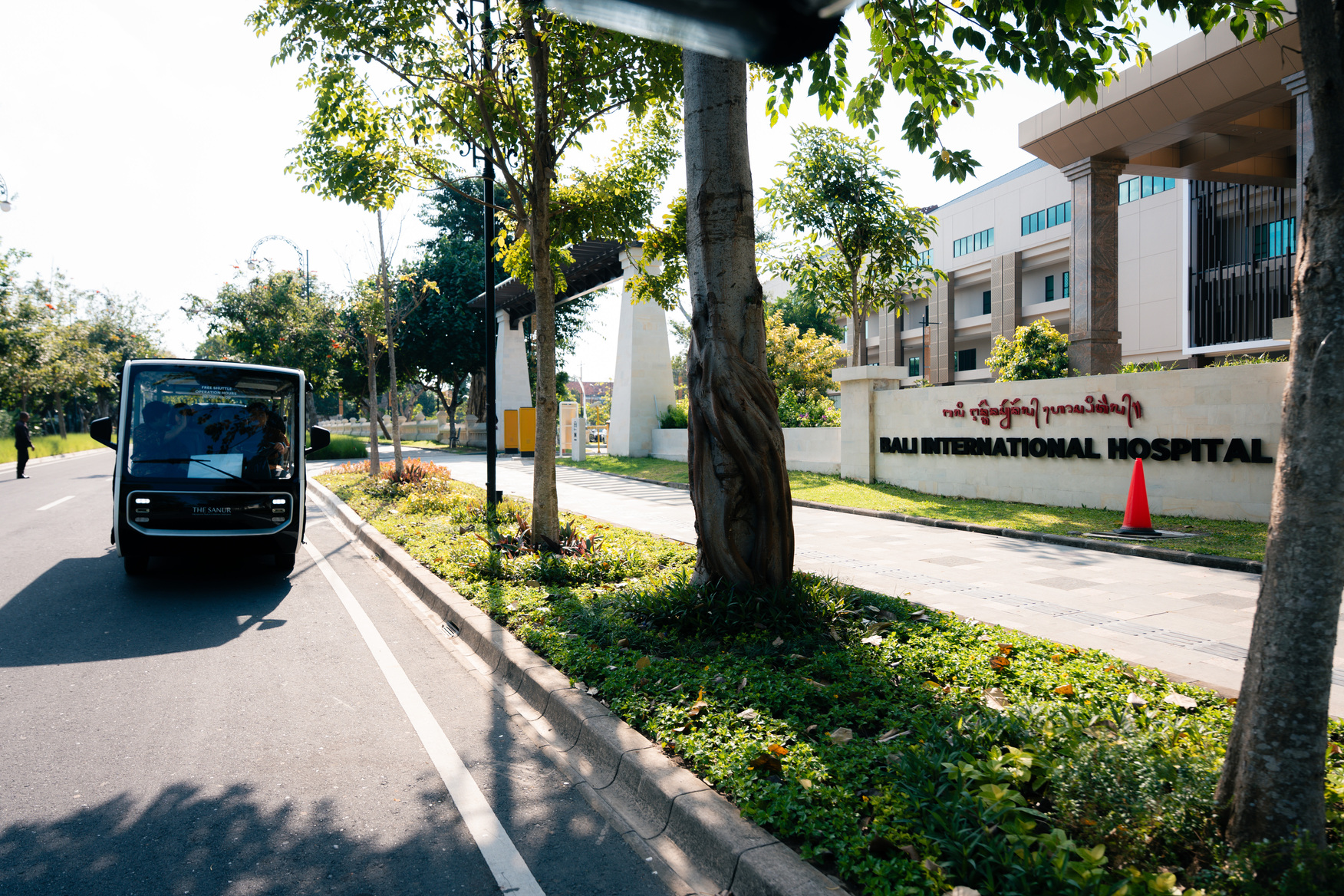
Now, Indonesia is striking back. In Bali’s Sanur, the government has launched the nation’s first Medical & Wellness Tourism Special Economic Zone (SEZ). It is an ambitious move that places Indonesia directly onto the global healthcare map. Where once Bali was known only for beaches and temples, now it will also be a destination for surgery, recovery, and wellness.
Bali as Healing Ground
Sanur has always been a gentle corner of Bali, popular with families and older travellers. With this new SEZ, it becomes a showcase of Indonesia’s ambition. The zone integrates hospitals, wellness resorts, shopping centres, and five-star hotels into a seamless ecosystem. Patients will be able to undergo surgery in the morning, then recover by the beach at sunset. Their families, instead of waiting in sterile wards, will have access to gardens, retail, and the sea.
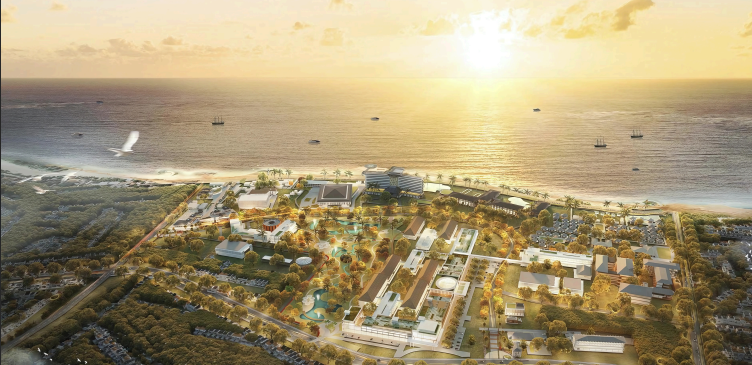
The Solitaire project, 10,000 square meters of international cosmetic surgery and aesthetic clinics, underscores the scale of this ambition. With foreign doctors permitted to practice under the new Permenkes 18/2023 regulation, Bali is opening itself to global expertise. This is a major policy shift, one that accepts the need for international collaboration to lift standards quickly.
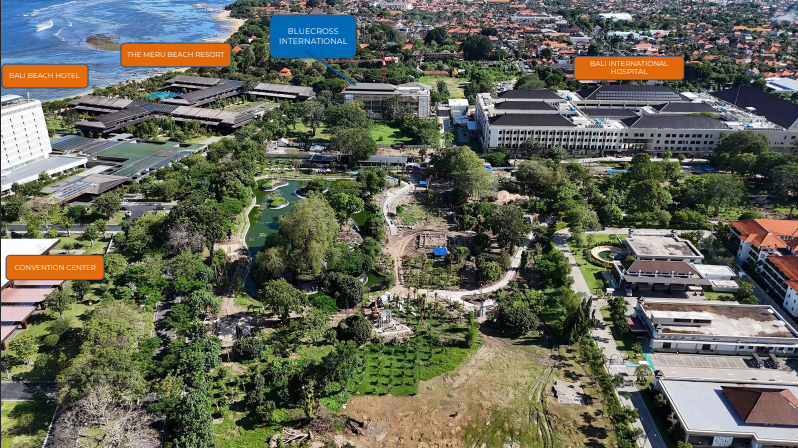
For Indonesia, often hesitant to expose itself, the SEZ is a bold embrace of the world. The aim is clear: to stop the steady flow of Indonesians seeking treatment overseas, while also drawing in foreigners. Australians, for instance, spend over AUD 1 billion annually on cosmetic procedures. Many already travel abroad for cheaper options. Bali is now positioning itself as their next stop.
A Positive Turning Point
Of course, some will argue the SEZ serves only the wealthy. Its brochures highlight facelifts, Botox, and stem-cell therapy. Yet such projects play a larger role. They prove Indonesia can meet international standards. They signal to Indonesians that they no longer need to look abroad for quality care. And they project to the world that Indonesia is ready to compete with Bangkok, Kuala Lumpur, and Seoul.
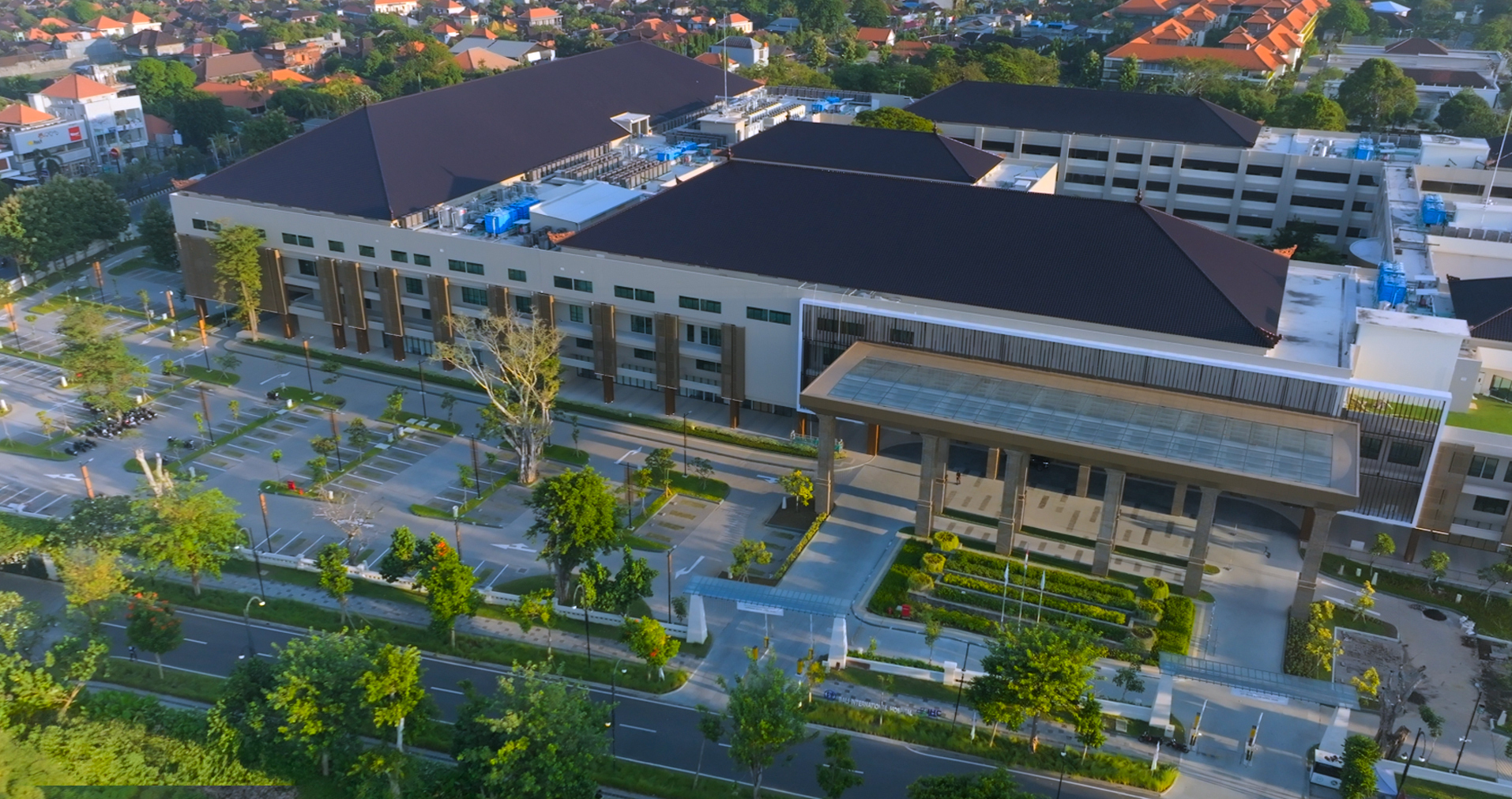
Healthcare inequality within Indonesia is real and urgent. Eastern provinces still struggle with shortages. Public hospitals need strengthening. But initiatives like Sanur’s SEZ show what is possible. They create momentum, attract investment, and build confidence. Over time, the benefits (revenues, expertise, training) can ripple outward.
Sanur’s SEZ is a statement. It tells Indonesians: trust your own country. And it tells the world: come to Bali, not just for holidays, but for healing. It may begin with wellness and cosmetic surgery, but it lays the foundation for a future where Indonesian healthcare is respected, trusted, and chosen.
That alone is reason to be optimistic.


