Did you know that Southeast Asia has a unicorn hiding in its forests? This unicorn is called the Saola, a deer-like large mammal from Vietnam, which remains mysterious to this day and appears to be almost extinct.
True to its name, the Asian unicorn, the existence of this creature is so rare that many scientists have been making efforts to search for it up until this minute. So, how much does the world know about this very rare and mysterious animal? Check out this reading to find out!
The Origin of Saola, the Asian Unicorn
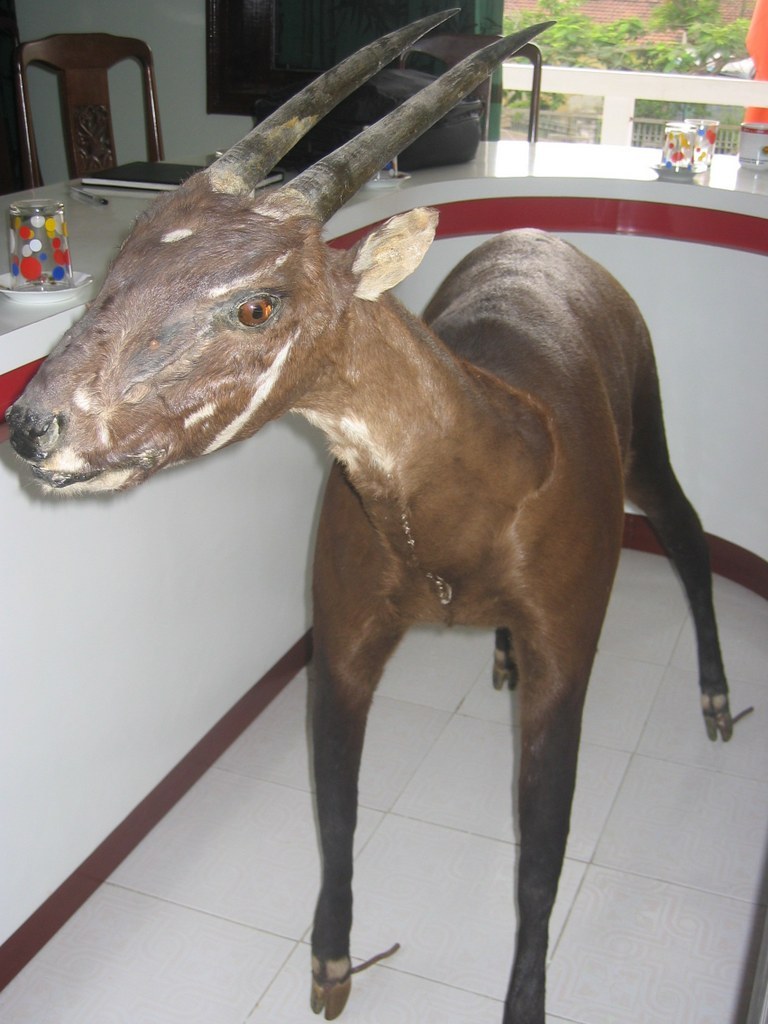
The Saola (Pseudoryx nghetinhensis), also known as the Asian unicorn, is a large mammal classified under the family Bovidae, specifically in the group that includes buffalo, cattle, and bison. This animal originates from the Annamite Mountains, along the border between Vietnam and Laos. Its habitat is said to be evergreen forests with little or no dry season at all.
Saola’s physical appearance features a height of about 84 cm (33 inches) at the shoulder, with a slightly elevated back. Its most unique characteristic is the two long, almost straight, and sharp horns that can reach up to 20 inches in length. It also has white markings on the face and weights around 80-100 kg (176-220 lbs).
Saola's first discovery in Western science was when they found its skull in 1992. This was considered extraordinary for the first large mammal identified in 50 years. Then, in 2013, the animal was seen for the first time in 15 years on camera trap set by WWF, a conservation organization, collaborating with the Vietnamese government.
The Asian Unicorn Towards Extinction
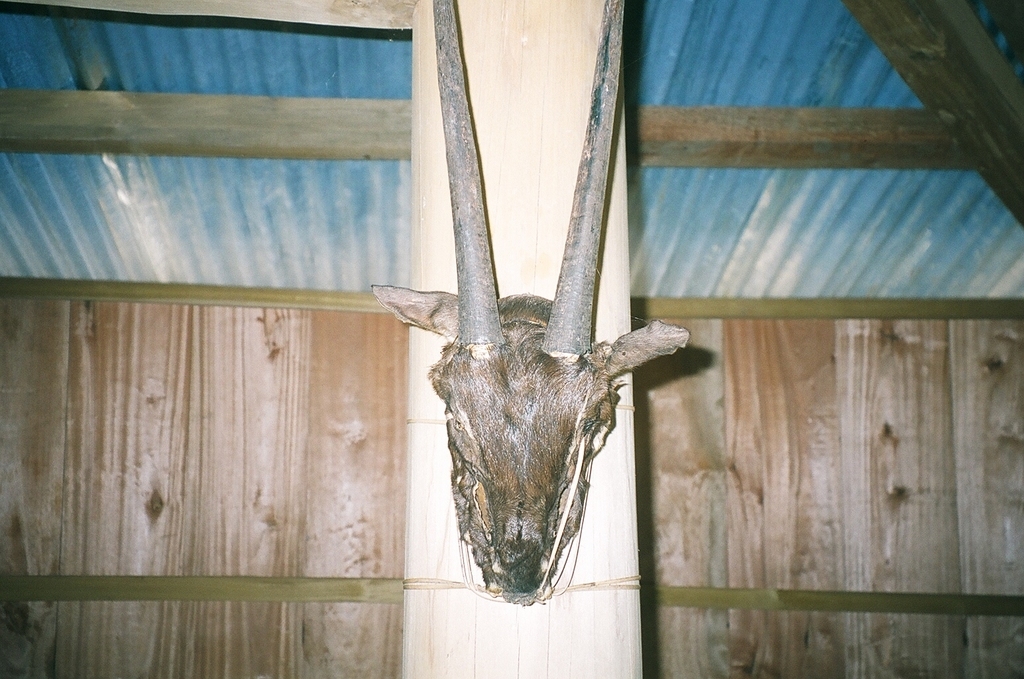
The Saola is considered a critically endangered creature to be extinct. The consensus reveals that its population might be fewer than 100, or perhaps none at all, as there is no confirmed evidence since 2013. The name “Asian unicorn” also reflects how this animal is rarely seen that it feels like a unicorn which mysteriously disappears.
This path toward extinction is caused by many factors, mostly illegal hunting through traps and snares set up to catch animals in the forest. Even though the snares are not intended for the Saola, there is still a chance that one of them could be caught randomly.
According to a WWF report in 2020, the total number of snares in the protected areas of Vietnam, Laos, and Cambodia reached approximately 12,000,000. Furthermore, many forests that could potentially be inhabited by the Saola are being cleared for agriculture and infrastructure, making its population more vulnerable to extinction.
Why We Should Preserve Saola
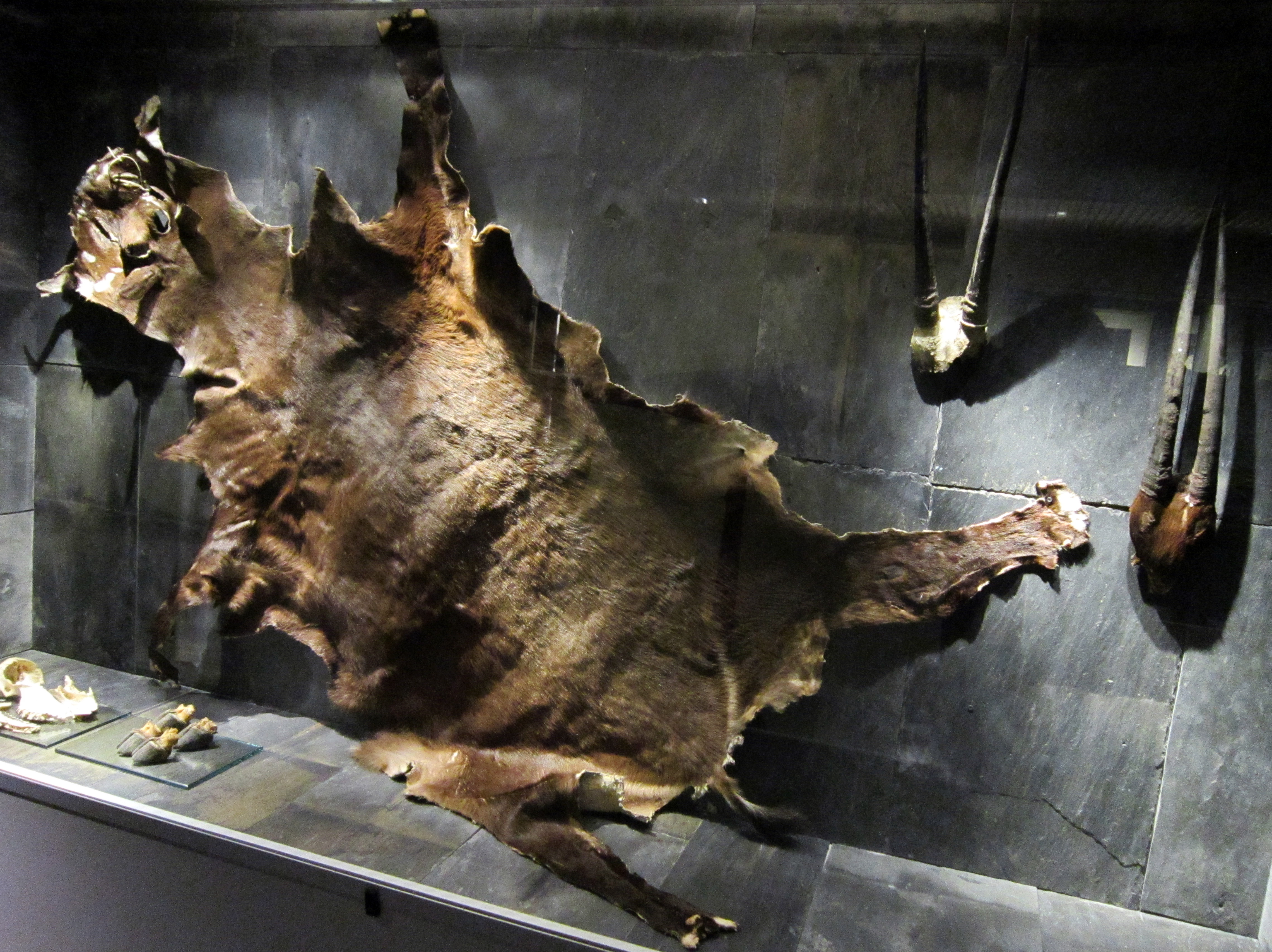
The Saola, serves as a unique species in the history of large mammals, must be protected at all costs. Its existence brings new knowledge to the biodiversity of Vietnam and Laos, since its habitat spans across the two borders.
Because this animal is so rarely seen, the information about it remains limited. The Saola is known as an herbivore, living on the ground and mostly active during the daytime. They also tend to be solitary animals, which explains why they have been hiding away from humans and are now called the unicorn of Asia.
The Saola’s rarity makes it part of the world’s heritage that is important to preserve. This animal plays a crucial role in maintaining forest balance, offering a new insight into understanding biodiversity in the world, particularly as part of Southeast Asia’s natural heritage.
Efforts From the Government and Experts to Save Saola

Since the last sighting of the Saola in 2013, the Vietnamese government, working together with the WWF and local communities, have been making efforts to bring the Saola back into the world’s view. These efforts include removing all the snares endangering animals and educating citizens for the existence of the Saola.
Other efforts include planting certain types of plants that are said to be favored by the Saola. This is to find their existence as well as providing a food source for them. One of the plants is thien nien kien (Homalomena aromatica), a herb with heart-shaped leaves that is usually used for medicinal purposes.
Additionally, the effort also comes with a plan for a breeding program at Bach Ma National Park if any Saola are found. In the past, a few Saola were captured, attempted to be preserved, but they all died within days. The efforts continue to this day, in 2025, to find this unique mammal of Southeast Asia.
Protecting the Saola is about preserving the balance of Southeast Asia’s ecosystems. Just like the Saola, other animals on the brink of extinction should be saved and protected quickly, for they are an essential part that shapes Southeast Asia’s rich natural heritage.
This article was created by Seasians in accordance with the writing rules on Seasia. The content of this article is entirely the responsibility of the author.