In the world of wildlife, few creatures are as awe-inspiring as Lolong, the largest crocodile ever recorded. A saltwater crocodile (Crocodylus porosus), Lolong captured the world's attention when it was discovered in Bunawan, Philippines in 2011.
Known for its massive size and powerful presence, Lolong is a reminder of the extraordinary animals that inhabit our planet.
But what makes this crocodile so remarkable, and why does its story still captivate people today?
Lolong’s Size: A Giant of the Crocodile World
Lolong's size was nothing short of legendary. Measuring 6.17 meters in length and weighing approximately 1,075 kilograms, it was by far the largest crocodile ever recorded.
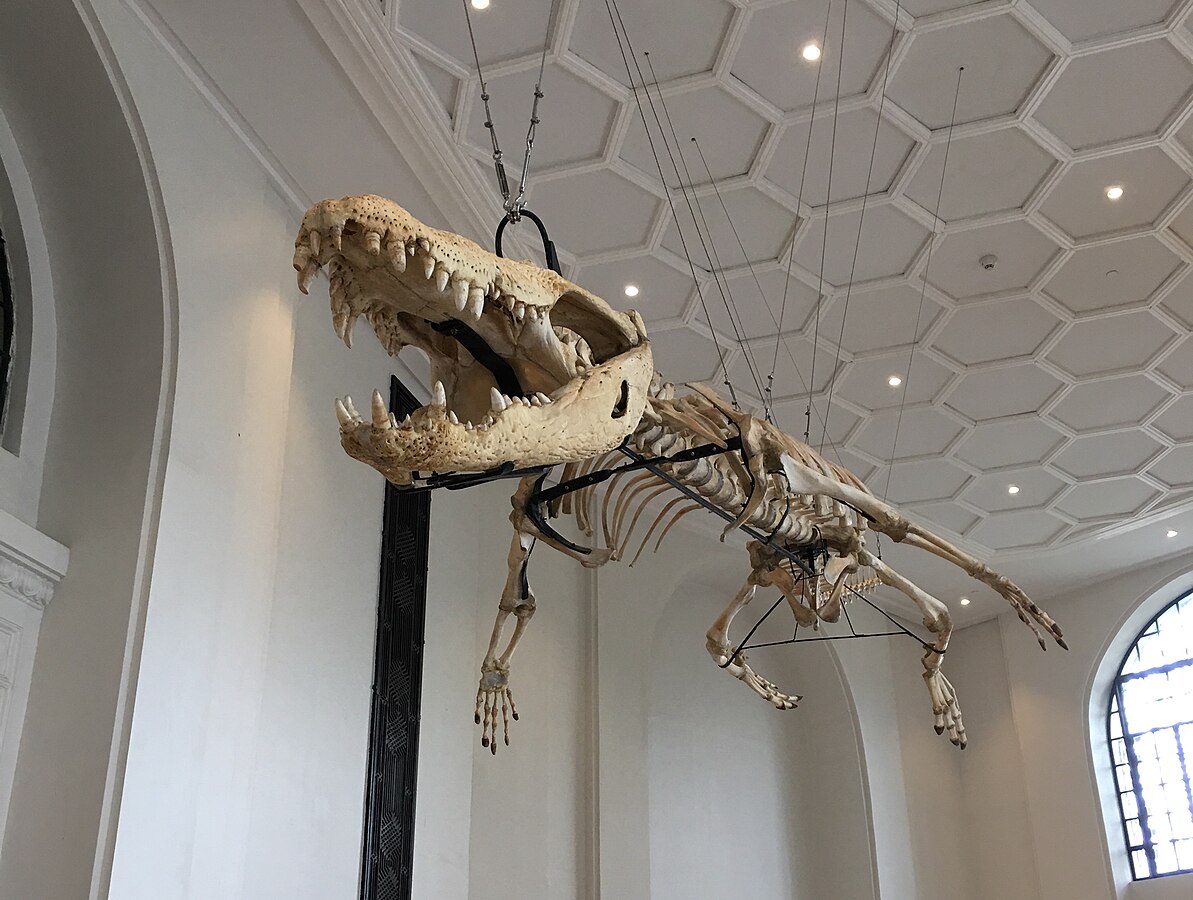
Its massive size made it a prime example of how nature can produce creatures of remarkable scale. To put its size into perspective, it was longer than a school bus and weighed as much as an average sedan car.
Lolong's size set it apart from other crocodiles of its kind, as most adult male saltwater crocodile typically reach around 5 meters in length. Lolong's girth and sheer size made it an animal that commanded respect in the wild.
The Capture of Lolong: A Mission of National Importance
Lolong’s story became known around the world when it was captured in Bunawan, a small village in the Philippines.
Local residents had reported that the crocodile was responsible for killing livestock and even posing a threat to humans. A team of experts was assembled, including crocodile hunters, veterinarians, and local authorities, to catch the giant reptile.
After a several-week operation, Lolong was successfully captured in September 2011. It took an elaborate effort and specialized equipment to trap and safely transport such a massive animal.
Lolong’s capture was widely covered by the media, and it became a symbol of both fascination and concern over human-wildlife interactions.
Lolong's Legacy in Conservation
Though Lolong’s life in captivity was relatively short, it played a vital role in raising awareness about the conservation of crocodiles and other endangered species. After being captured, Lolong was brought to the Bunawan Eco Park in the Philippines, where it was displayed as an educational exhibit.
The park hoped to use Lolong’s presence to teach the public about the importance of preserving these creatures and their natural habitats.
Despite its significance, Lolong’s captivity sparked discussions about the ethics of removing wild animals from their natural environment. While it was a valuable educational tool, it highlighted the complexities of balancing conservation with the welfare of the animals.
The Death of Lolong: A Saddening Event
In February 2013, Lolong passed away, just a little over a year after his capture. Experts believed that stress, physical complications from his size, and the constraints of captivity contributed to his death.
His passing left many saddened, as Lolong had become a symbol of both the power of nature and the importance of wildlife conservation.
However, it also sparked a broader conversation about the ethical treatment of wild animals in captivity.
Fun Facts About Lolong
- Lolong was the largest crocodile ever recorded in captivity and holds the title for the largest saltwater crocodile ever documented.
- Lolong was estimated to be around 50 to 60 years old when captured, showing just how long crocodiles can live in the wild.
- The capture of Lolong marked the first time a crocodile of such immense size was safely relocated, bringing attention to the need for careful wildlife management and conservation.
- Lolong was displayed in a purpose-built enclosure at the Bunawan Eco Park, where thousands of visitors came to see the giant reptile up close.
The Importance of Crocodile Conservation
Lolong’s story is an important reminder of the need for crocodile conservation and the importance of preserving wild habitats. While Lolong’s legacy continues to inspire conservation efforts, the threats to crocodile populations remain. These reptiles face dangers from poaching, habitat destruction, and conflict with humans.
The lessons learned from Lolong’s life and death can help shape more responsible wildlife management practices in the future.
Ensuring the survival of crocodiles and other endangered species requires a combined effort from local communities, wildlife authorities, and conservation organizations around the world.
A Giant of the Wild
Lolong’s life and legacy will continue to resonate in the world of wildlife conservation. While its size and power made it a fascinating subject, it also served as a powerful symbol of the delicate balance between humans and the natural world.
With the help of conservation efforts, we can continue to protect these ancient creatures and ensure they remain a part of our planet’s incredible biodiversity.