


When we’re talking about the Netherlands colonization, Indonesia would immediately come to mind since it was the most prominent colony of the Dutch. But throughout its colonial times, the Netherlands also colonized several other countries and here they are.
Suriname
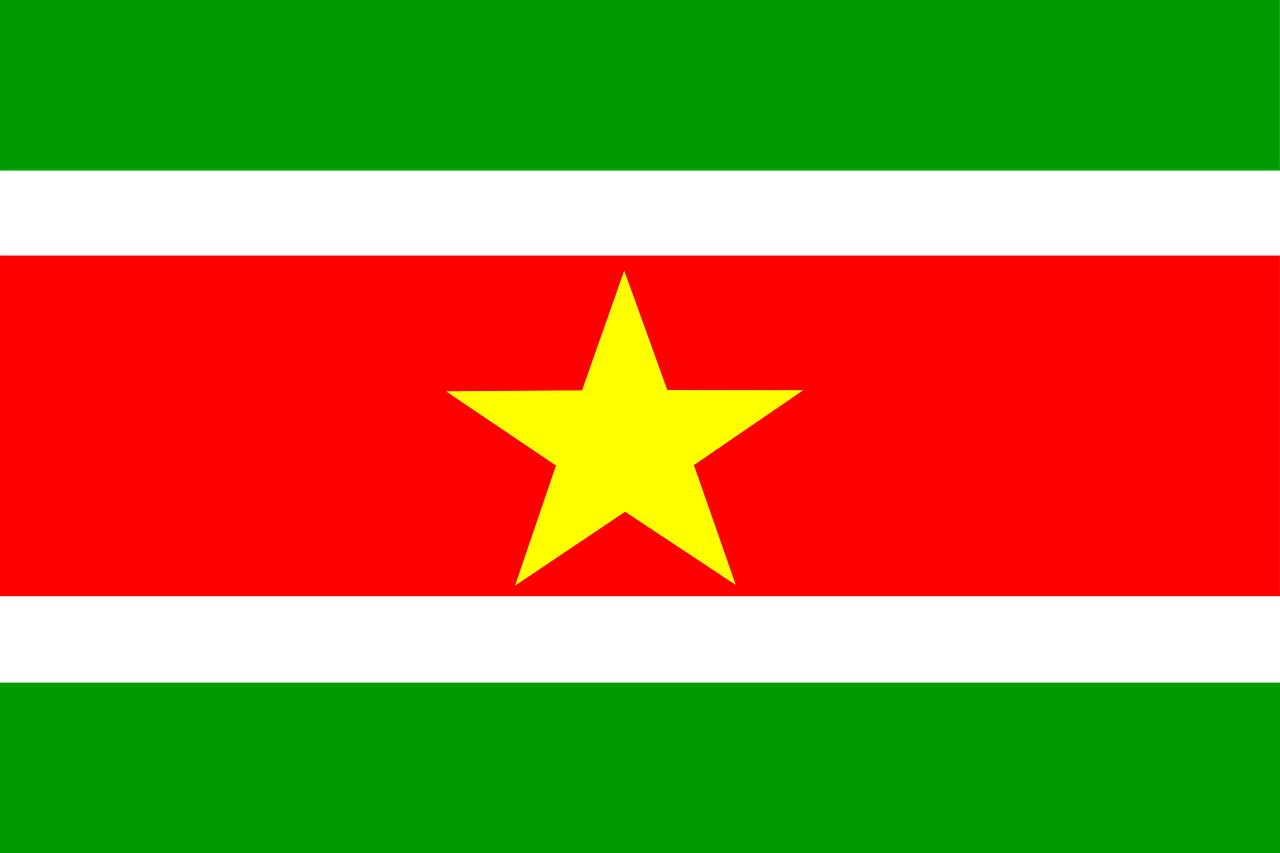
Suriname, located on the northeastern coast of South America, was a Dutch colony for over 300 years. The Dutch took control from the British in 1667, in exchange for the New Netherland colony (which included parts of present-day New York).
Suriname became an important site for sugar plantations, relying heavily on enslaved Africans for labor.
After the abolition of slavery in 1863, indentured laborers from India, Indonesia, and China were brought in, shaping Suriname's unique multicultural society. The country remained under Dutch rule until it gained full independence in 1975.
South Africa

Though not as long or direct as in other regions, Dutch colonization in South Africa was highly influential. In 1652, the Dutch East India Company established a refreshment station at the Cape of Good Hope, which evolved into the Cape Colony.
Dutch settlers, known as Boers, developed a distinct culture and language (Afrikaans) rooted in Dutch. The colony expanded inland, often leading to violent conflict with indigenous groups.
In the early 19th century, control of the Cape passed to the British, but the legacy of Dutch colonization remains deeply embedded in South African society.
Sri Lanka

Sri Lanka, formerly known as Ceylon, was partly colonized by the Dutch during the 17th century. The Dutch East India Company expelled the Portuguese and gained control over the coastal areas in 1658. Their main interest was in controlling the lucrative cinnamon trade.
Dutch influence included architectural styles, legal systems, and trade networks. However, their control did not extend far inland, and in 1796, the British took over the Dutch possessions on the island.
Dutch colonial buildings and the Roman-Dutch legal system remain part of Sri Lanka’s heritage.
Parts of India

The Dutch established several trading posts in India during the 17th century, particularly along the eastern and western coasts. They controlled parts of Tamil Nadu such as Pulicat and Nagapattinam, and had outposts in Kerala and Bengal.
Their presence was primarily commercial, with the aim of dominating the spice and textile trade.
However, Dutch influence in India diminished after their naval defeat at the hands of the British in the Battle of Colachel in 1741, and by the early 19th century, they had ceded most of their territories to the British.
Parts of the US

The Dutch founded the colony of New Netherland in the early 17th century, covering parts of present-day New York, New Jersey, Delaware, and Connecticut.
In 1624, they established a permanent settlement at Fort Orange (now Albany), and later founded New Amsterdam on Manhattan Island.
The Dutch influence in architecture, urban planning, and place names (like Harlem and Brooklyn) remains visible today. The colony was ceded to the British in 1664, but its early history laid the foundations for the diverse and trade-oriented culture of New York City.
Parts of Brazil

From 1630 to 1654, the Dutch controlled parts of northeastern Brazil during a conflict with the Portuguese, who were then under Spanish rule. This region, known as Dutch Brazil, included modern-day Recife and surrounding areas.
Under the leadership of Johan Maurits of Nassau, the Dutch implemented progressive urban planning and promoted scientific exploration.
However, persistent resistance from the Portuguese settlers and local populations led to the Dutch being expelled. Despite its short duration, Dutch Brazil remains a notable example of European colonial rivalry in South America.
Taiwan
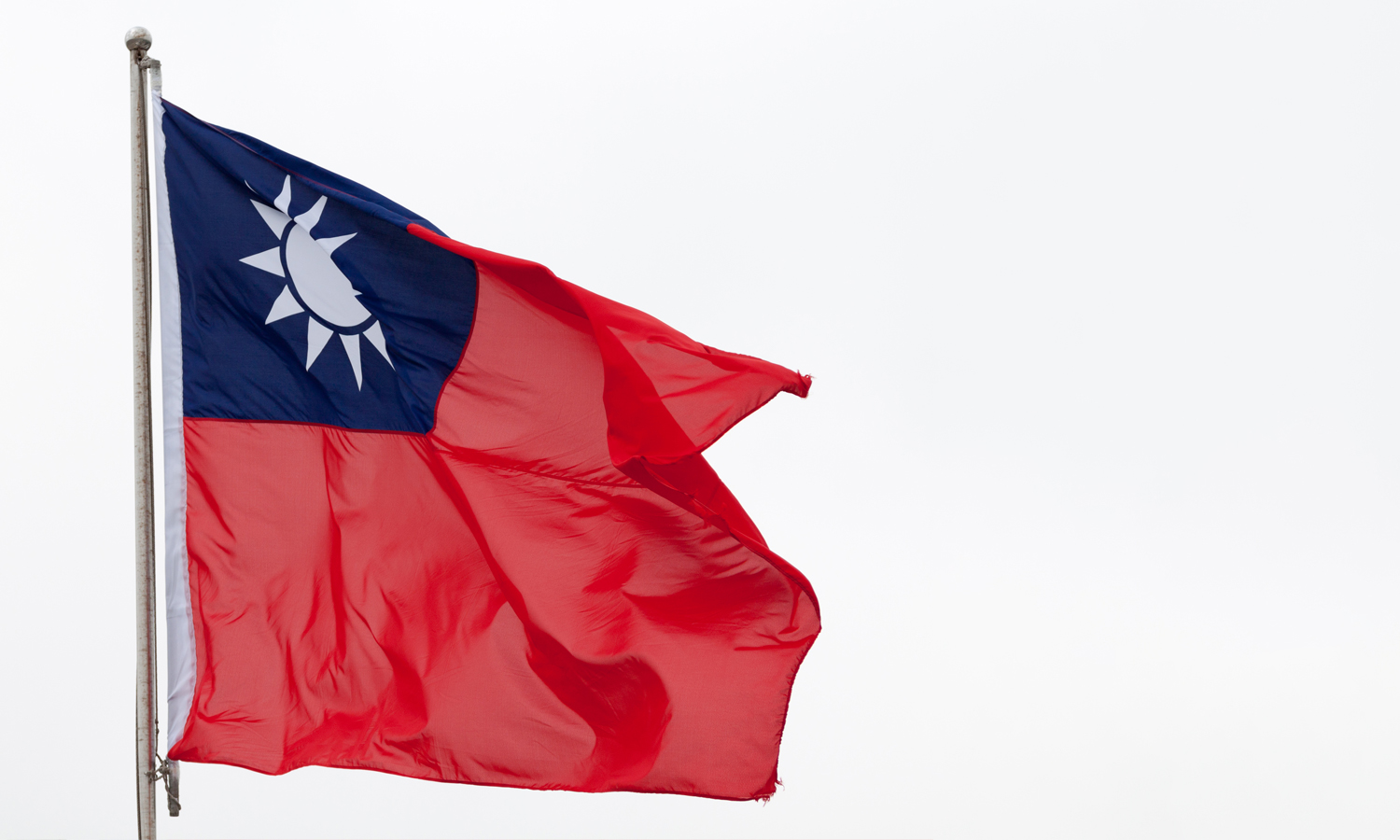
The Dutch briefly controlled parts of Taiwan (then known as Formosa) between 1624 and 1662. The Dutch East India Company established a base in the south of the island to expand trade networks with China and Japan.
The Dutch also introduced Christianity, built fortresses like Fort Zeelandia, and attempted to subjugate the indigenous population.
Their rule ended when Chinese Ming loyalist Koxinga captured Fort Zeelandia and expelled the Dutch, marking the end of European colonial control over the island for several centuries.
Various Caribbean Islands

The Netherlands established control over several Caribbean islands, including Aruba, Curaçao, Bonaire (known collectively as the ABC islands), Sint Maarten, Saba, and Sint Eustatius.
These islands were vital for trade, privateering, and plantation agriculture, particularly sugar and salt.
Slavery played a central role in their economies. While some of these islands are now independent or have special statuses, others remain part of the Kingdom of the Netherlands today.
Dutch culture, language, and governance structures are still evident throughout these territories.
Ghana (Dutch Gold Coast)

The Dutch had a significant presence along the Gold Coast, now part of modern Ghana, from the 17th to the 19th century. They established forts, the most notable being Fort Elmina, to participate in the transatlantic slave trade and gold commerce.
The Dutch maintained a network of trading posts and were among the dominant European powers in the region for nearly two centuries. Their influence declined in the 19th century, and they ceded their holdings to the British in 1872.


