


While most countries designate one or more official languages for government, education, and public communication, a handful of nations have never constitutionally declared an official language at the national level.
These countries either function with widely spoken de facto languages or adopt a multilingual approach without enshrining one language in law.
The reasons for this vary, from historical and cultural diversity to deliberate choices aimed at promoting inclusivity. Below are some of the most prominent examples.
United States

Despite being one of the most linguistically influential countries in the world, the United States does not have an official language at the federal level.
English is overwhelmingly dominant in government, media, and education, but it has never been legally declared the national language in the Constitution or by Congress.
Several attempts to designate English as the official language have been made over the years, especially under “English-only” movements, but none have succeeded on a national scale.
However, many individual states have taken their own initiative, 32 out of 50 U.S. states have declared English as their official language, and some have also recognized others like Spanish, Hawaiian, or indigenous languages.
The absence of a federal official language reflects the U.S.’s foundation as a nation of immigrants and its constitutional emphasis on individual freedoms.
United Kingdom

The United Kingdom, despite being the birthplace of the English language, also lacks a legally declared official language. English is the dominant and de facto national language, spoken by the vast majority of the population and used in all formal governmental and legal settings.
However, there is no formal law or constitutional document that defines English, or any other language, as the official language of the UK.
This legal silence partly stems from the UK’s uncodified constitution and its reliance on common law and historical precedent.
The country also supports minority and regional languages such as Welsh, Scottish Gaelic, and Irish in parts of Wales, Scotland, and Northern Ireland, respectively.
These languages are protected under the European Charter for Regional or Minority Languages and are increasingly promoted in education and public life, but they are not declared official on a UK-wide basis.
Australia
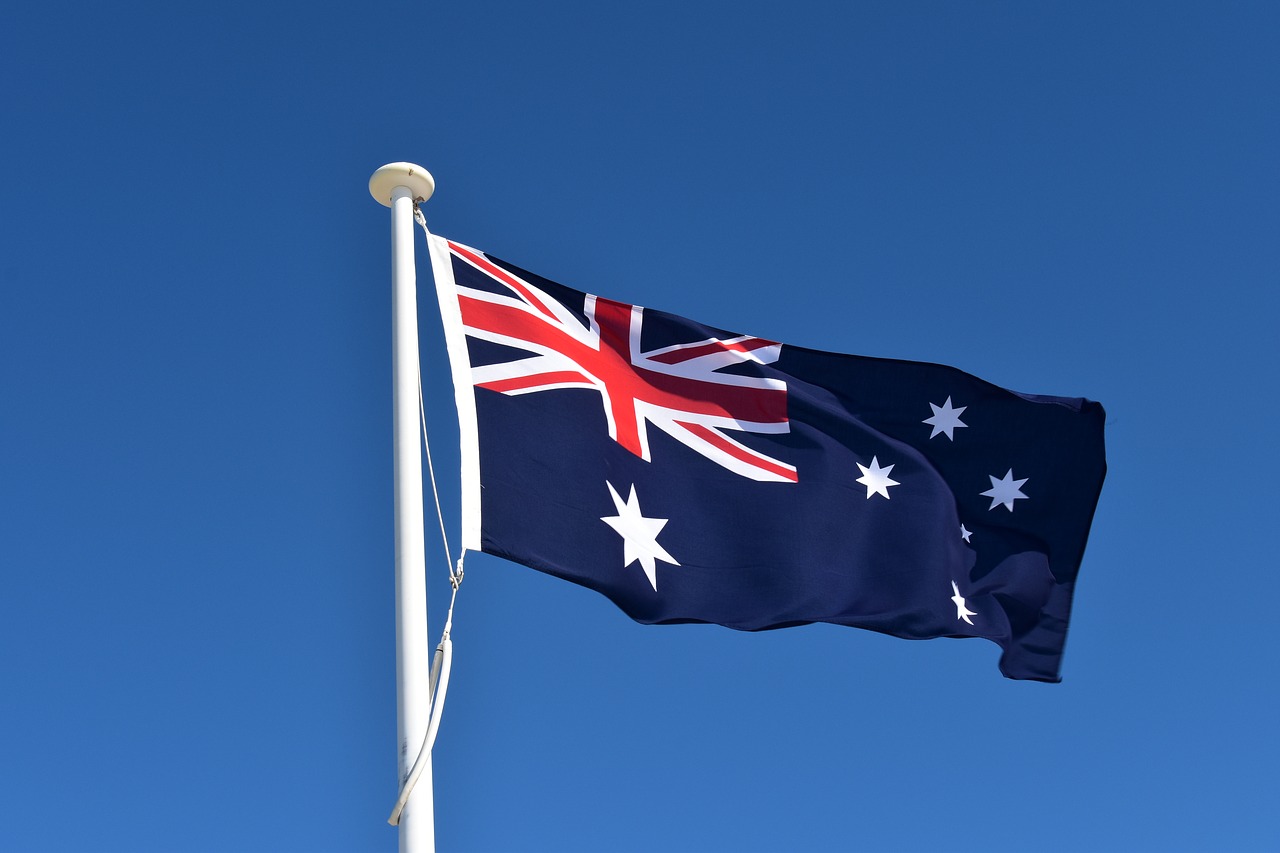
Australia, like the United States and the United Kingdom, does not have an official language at the federal level. English is the de facto language and is used in all official domains including legislation, education, and the judiciary.
The country has never passed a law formally designating English, or any other language, as its official language.
Australia is home to over 300 languages, including numerous indigenous languages, many of which are endangered. While English dominates, there are growing efforts to preserve and revitalize Aboriginal and Torres Strait Islander languages.
Some states and territories recognize indigenous languages in symbolic ways, and recent debates have raised the idea of granting them more formal recognition.
Mexico

Although it may surprise some, Mexico does not have a single official language either. While Spanish is overwhelmingly dominant and functions as the national language in most aspects of life, the country formally recognizes 68 national languages, including 63 indigenous languages.
This law does not give Spanish a superior legal status over other languages but instead affirms the right of indigenous communities to preserve and use their own languages in education, administration, and legal affairs.
In practice, however, Spanish remains the most widely used language in government, business, and media. The Mexican model is thus more multilingual than many assume, reflecting the country’s deep indigenous roots.
Eritrea

Eritrea stands out for its unique approach to language policy. Upon gaining independence in 1993, the country deliberately chose not to declare any official language.
Instead, it adopted a policy of linguistic equality, recognizing all languages spoken within its borders, particularly Tigrinya, Arabic, and English, as equal in status.
This decision was rooted in a desire to foster national unity in a country with significant ethnic and linguistic diversity. Government communication and education occur in several major languages, and language choice often depends on regional demographics.
While Tigrinya is the most widely spoken language, especially in the capital Asmara, the government's non-hierarchical language policy aims to avoid privileging one ethnic group over another.


