


Learning a new language can be deeply rewarding, but some languages pose far greater challenges than others. Difficulty depends on factors such as grammar complexity, writing systems, pronunciation, and how different the language is from a learner’s native tongue.
The following ten languages are widely regarded as among the hardest to master due to these demanding features.
1. Mandarin
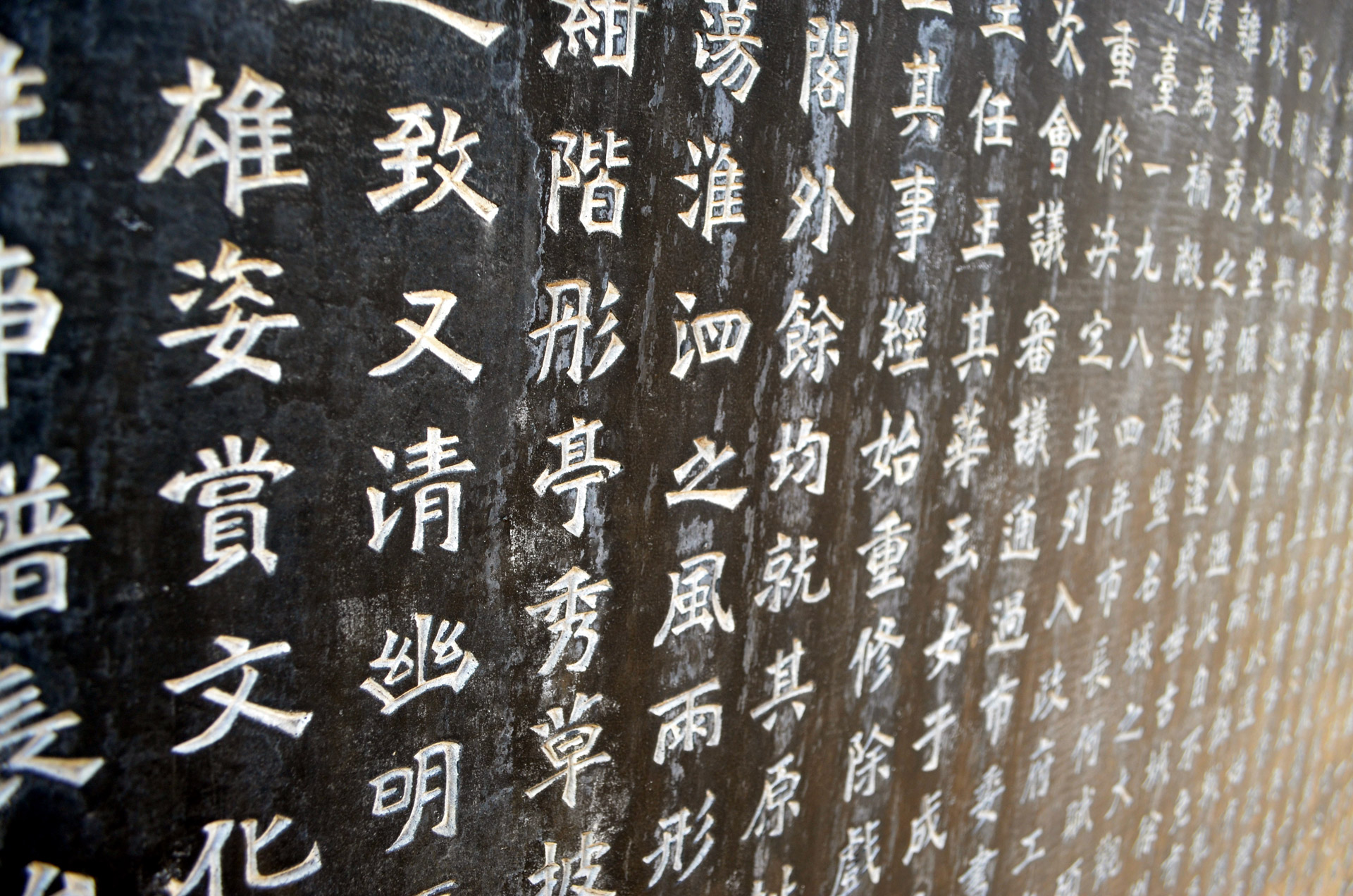
Mandarin is often considered one of the most difficult languages because of its tonal nature and writing system. Each syllable can be pronounced in multiple tones, and a change in tone completely alters meaning.
In addition, Mandarin uses thousands of characters rather than an alphabet, requiring learners to memorize symbols that offer few pronunciation clues. Grammar is relatively simple, but literacy takes years of dedicated study.
2. Arabic

Arabic presents challenges through its complex grammar, unfamiliar sounds, and writing system. The language is written from right to left and uses a script that changes shape depending on letter position.
Another major difficulty is diglossia, meaning learners must deal with both Modern Standard Arabic and numerous spoken dialects, which can differ dramatically from one another.
3. Japanese

Japanese combines several sources of difficulty into one language. Learners must master three writing systems: hiragana, katakana, and kanji. Kanji characters often have multiple readings depending on context, adding another layer of complexity.
Grammar structure differs greatly from English, with verbs placed at the end of sentences and extensive use of honorific forms tied to social hierarchy.
4. Korean

Korean grammar and sentence structure are significantly different from many European languages.
While the writing system, Hangul, is logical and relatively easy to learn, the language itself relies heavily on honorifics and speech levels that change depending on social relationships.
Verb conjugations are complex, and subtle grammatical endings can dramatically alter meaning and tone.
5. Hungarian

Hungarian is known for its extensive case system, using many suffixes to indicate grammatical relationships rather than word order.
This agglutinative structure can feel overwhelming to learners unfamiliar with it. Vocabulary is also challenging, as Hungarian is unrelated to most major European languages, offering few recognizable word roots.
6. Finnish

Finnish shares some similarities with Hungarian in structure but introduces its own challenges. It uses numerous grammatical cases and long compound words that pack entire phrases into a single term.
Pronunciation is consistent, but sentence construction and idiomatic expressions can be difficult to internalize. The language’s uniqueness makes it especially challenging for learners from Indo-European backgrounds.
7. Polish

Polish is difficult primarily due to its complex grammar and pronunciation. It features seven grammatical cases and numerous consonant clusters that are hard to pronounce accurately.
Verb aspects add further difficulty, requiring learners to choose different verb forms based on whether an action is completed or ongoing. Despite these challenges, Polish follows logical grammatical rules once they are mastered.
8. Russian

Russian uses the Cyrillic alphabet, which is unfamiliar to many learners at first. Beyond the script, the language includes a complicated case system, verb aspects, and flexible word order.
Pronunciation can also be challenging, especially stress patterns that are unpredictable and can change a word’s meaning. However, Russian’s logical grammar rewards persistence.
9. Turkish

Turkish is an agglutinative language that builds long words by adding multiple suffixes to a root. While this system is consistent and rule-based, it requires learners to think differently about sentence construction.
Vowel harmony governs how suffixes change, adding another rule set to memorize. Word order and expressions differ significantly from English, increasing the learning curve.
10. Icelandic

Icelandic preserves many features of Old Norse, making it complex even for speakers of other Germanic languages. It has an elaborate inflection system with four cases, multiple genders, and numerous verb forms.
Vocabulary has remained relatively pure, meaning fewer borrowed words that learners might recognize. Pronunciation and spelling also present notable challenges.


