Ever heard of an ethereal love story between two different worlds? It may sound fictitious, but the Vietnamese have cherished this tale for generations, making it their very precious cultural heritage.
This romance tells the story of a dragon named Lac Long Quan and a fairy-mountain goddess, Au Co. Their union, which is said to have produced 100 children, is believed to be the origin of the Vietnamese ancestry. Explore this more in the article below.
Romance Between a Dragon and a Fairy
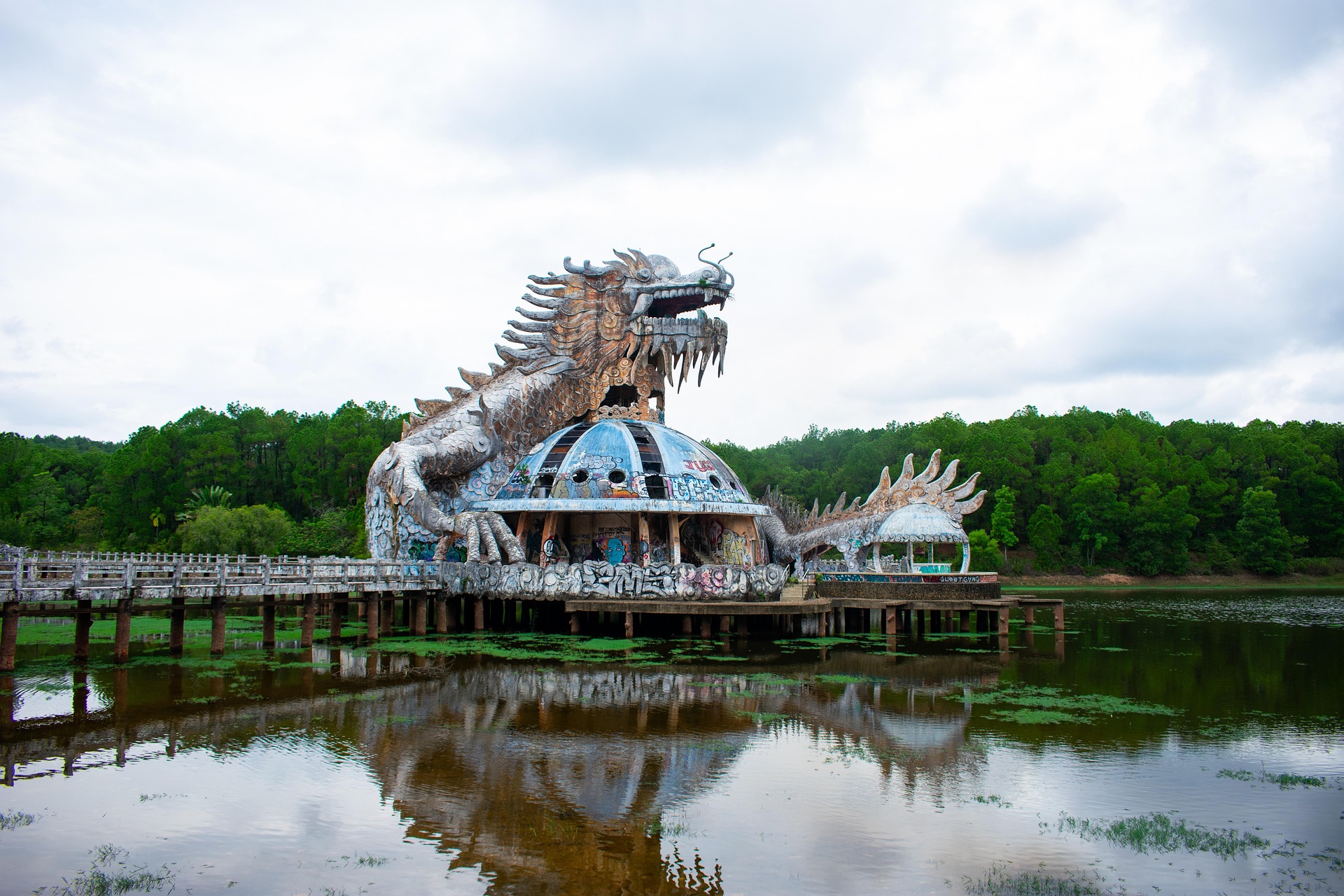
The story begins with a dragon named Lac Long Quan, meaning “Dragon Lord of Lac”, who is said to be the first truly Vietnamese king. He then encountered a mountain fairy goddess named Au Co, who, at the time, was exploring the land. They both fell in love, and then Au Co gave birth to a sac of 100 eggs that later grew into 100 children.
Since they came from two different worlds, they made a deal to part ways. Thus, they decided to take half of their children on each side, 50 children went along with Au Co to the mountain and the other 50 joined Lac Long Quan to the underwater. One of these children later grew to be the first in Vietnam’s dynasty, known as Hung Vuong.
There are other versions of this story. One says that Lac Long Quan marries Au Co to make peace with the Chinese. And then, the 100 children of the two of them are all sons, becoming one of the reasons why they had to part ways. Despite all that, the Vietnamese surely can call themselves the descendants of the dragon and the fairy.
The Meaning Behind the Tale
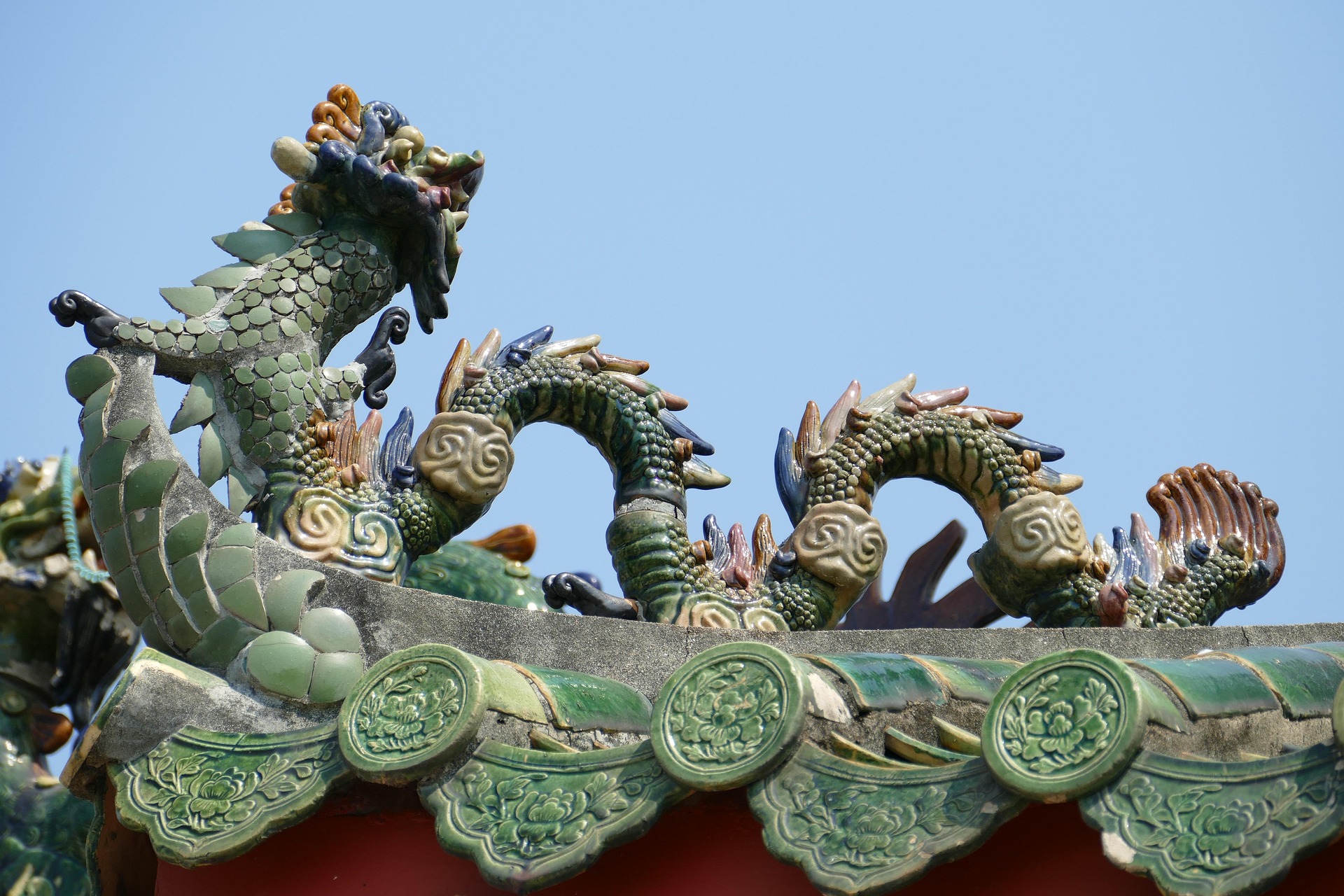
Behind the romance, this folklore carries a meaningful message. The two figures, a dragon and a fairy, represent not only different beings but also different worlds, which are water and land (mountains). Representing differences, the two complete one another, and that’s why sometimes people say they’re like the yin and yang symbol.
The dragon protects the sea, while the fairy goddess watches over the highlands. Together, they create unity in the world, maintaining balance and harmony, cooperating to make a better world. The dragon, perhaps the most iconic symbol here, influences Vietnamese culture to this day.
In Vietnam, dragons contain such a sacred meaning. They are seen as the symbol of prosperity, power, and a figure of protection. It is not only culturally linked, but also spiritually. The story of Lac Long Quan and Au Co becomes a vital symbol in Vietnam, reminding people how diversity should be embraced to gain unity.
Its Influence on Modern Days
The folklore of Lac Long Quan and Au Co serves as a national identity to the Vietnamese people. As the origin story of their ancestors, its influence is still embodied in everyday life today.
For instance, the folklore lives on in the streets of Ho Chi Minh City, featuring the names of the couple. The culture also remains deep through festivals in Vietnam, held to honor and celebrate the spirit of the dragon, usually during the third month of the Lunar year.
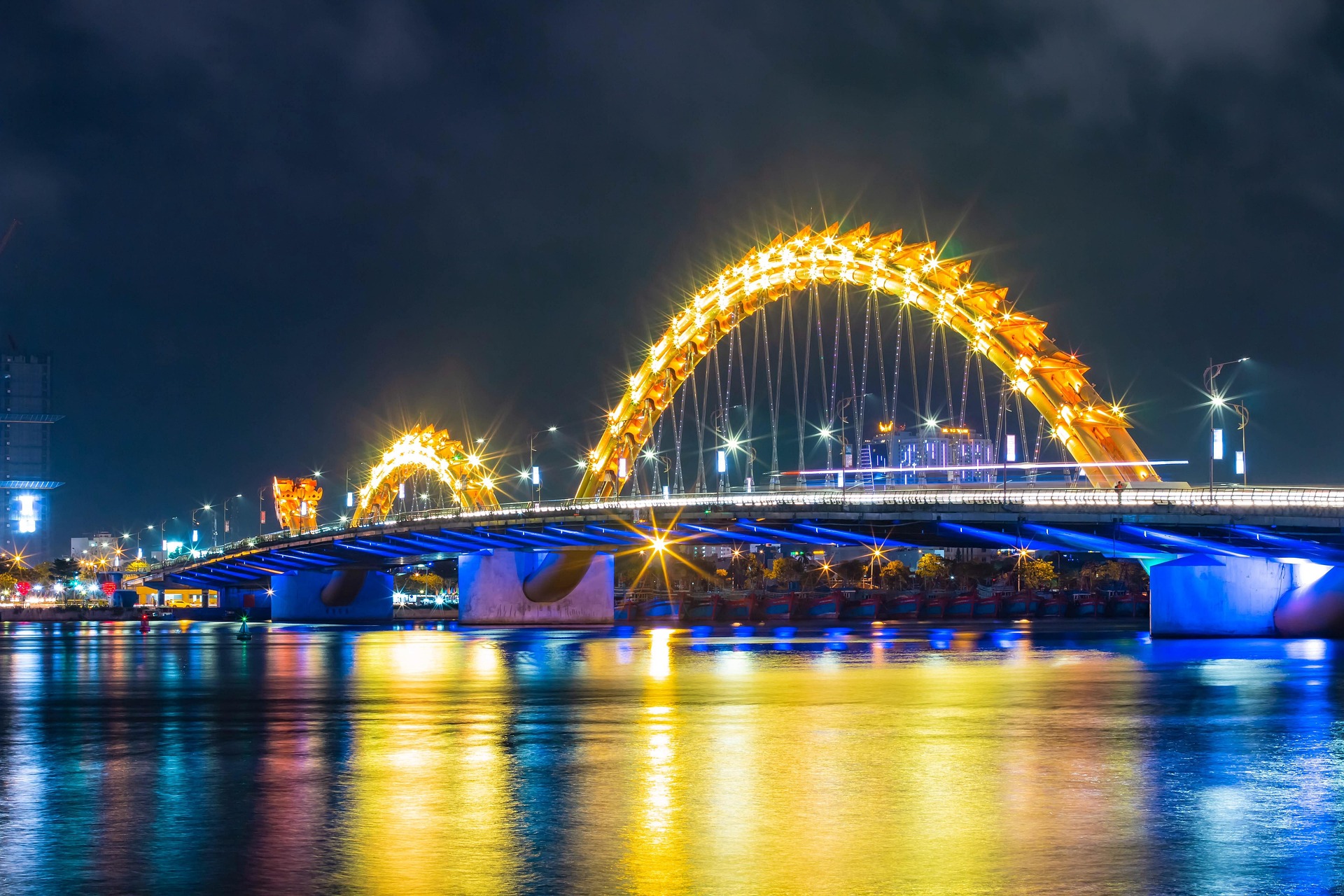
The festivals feature dance performances and boat races, believed to bring luck and happiness, also showing the dragon’s vital role in Vietnamese society. Another proof is seen in the modern architecture that embeds dragon motifs or sculptures. One that you can see is the Dragon Bridge that breathes fire every weekend at 9PM.
The folklore of Lac Long Quan and Au Co remains a vital symbol of identity in Vietnam, reflecting the diversity in the nation and the way it connects one another. The Vietnamese people continue to nurture this cultural heritage through events like festivals and architecture, ensuring the legend lives on for generations to come.
This article was created by Seasians in accordance with the writing rules on Seasia. The content of this article is entirely the responsibility of the author.