


Good news comes from the easternmost edge of Indonesia. On September 27, 2025, UNESCO officially designated the Raja Ampat Islands in Southwest Papua Province as a World Biosphere Reserve.
This prestigious recognition reaffirms Raja Ampat’s status as one of the most vital marine regions on the planet, not only for its beauty but also for its role as a “living laboratory” for the future of the Earth.
With this new designation, Raja Ampat now holds two international titles from UNESCO: Global Geopark (2023) and Biosphere Reserve (2025). Only a handful of places in the world enjoy this dual recognition, making it a true gem in the global effort to safeguard the balance between nature, science, and human life.
An Unrivaled Marine Paradise

Raja Ampat lies at the heart of the Coral Triangle, an area renowned for having the highest marine biodiversity in the world. The biosphere reserve covers approximately 135,000 square kilometers, comprising more than 610 islands, of which only 34 are inhabited.
Beneath its waters lies extraordinary life:
- 75% of the world’s coral species thrive here
- more than 1,300 reef fish species
- and few species of rare or endangered sea turtles, including the hawksbill turtle (Eretmochelys imbricata).
With such immense natural wealth, it is no wonder Raja Ampat is often called the “Amazon of the Seas”, an underwater equivalent of the tropical rainforest that sustains life across the globe.
Raja Ampat as a “Living Laboratory”
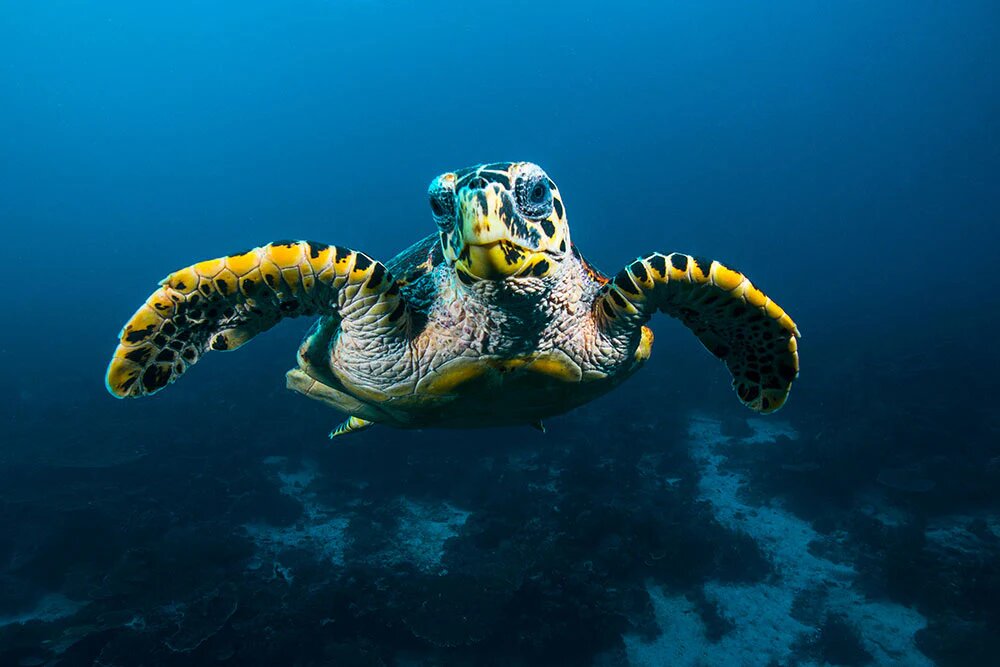
UNESCO describes Raja Ampat as a living laboratory, where modern science and indigenous wisdom converge. Here, researchers, indigenous communities, and the government work hand in hand to manage natural resources sustainably.
Programs such as community-based reef monitoring, indigenous-led ecotourism, and traditional marine stewardship (sasi laut) have been implemented for years and have proven effective in protecting ecosystems while improving local livelihoods.
With its biosphere reserve status, this collaboration now receives stronger global support. The Coordination and Communication Forum for the Management of the Raja Ampat Biosphere Reserve is being established for the 2025–2029 period. This forum will bring together local government, research institutions, environmental organizations, and indigenous communities under one integrated management framework.
Rare Dual Recognition
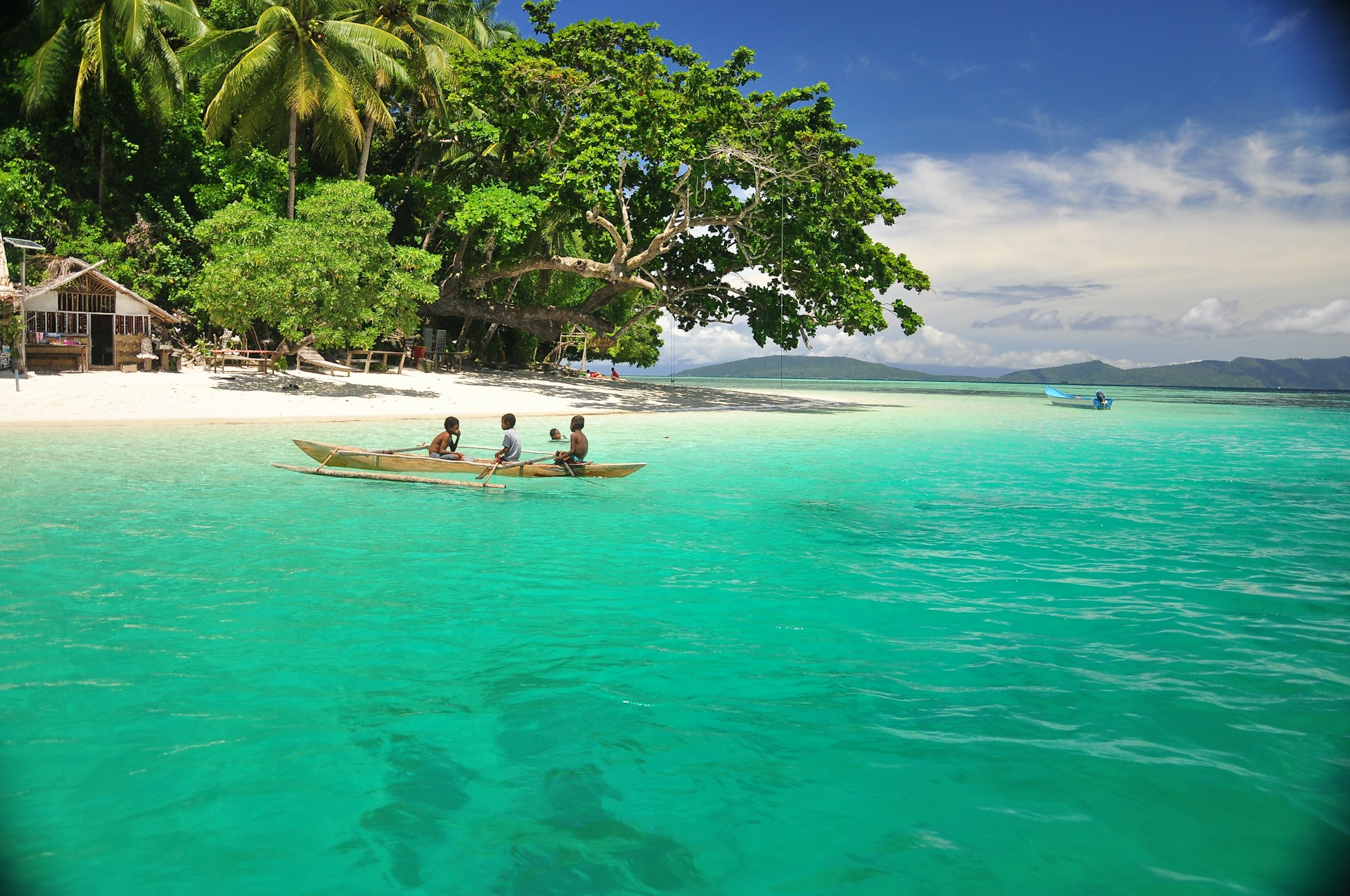
Raja Ampat holds a truly exceptional position, one of the very few places in the world to receive two of UNESCO’s highest honors: Global Geopark and Biosphere Reserve.
As a geopark, Raja Ampat is recognized for its extraordinary geological heritage, including 400-million-year-old rock formations that stand as witnesses to Earth’s evolution. As a biosphere reserve, the region is celebrated for its unmatched marine biodiversity.
Together, these two designations affirm that Raja Ampat is not only visually stunning but also scientifically and ecologically vital for the planet’s future.
What Is a Biosphere Reserve?
A biosphere reserve is not just an ordinary conservation area. It is a sustainable management concept developed by UNESCO through the Man and the Biosphere (MAB) Programme. Its mission is both simple and profound: to create places where humans and nature can coexist in harmony.
UNESCO defines biosphere reserves as “learning sites for sustainable development.” In other words, they serve as natural laboratories for testing how humans can protect the environment without halting social and economic progress.
Every biosphere reserve is required to fulfill three core functions:
- Conservation – protecting biodiversity, landscapes, and cultural heritage
- Sustainable Development – fostering eco-friendly economies and resilient communities
- Logistic Support – providing space for research, education, and knowledge exchange
Three Key Zones
To balance human needs with nature’s preservation, UNESCO structures each biosphere reserve into three integrated zones:
- Core Area: Strictly protected zones for pure conservation, covering coral reefs, mangrove forests, and critical marine habitats.
- Buffer Zone: Surrounding the core, dedicated to education, research, and eco-friendly activities such as ecotourism.
- Transition Area: A space where local communities can carry out sustainable economic activities, such as traditional fishing, handicrafts, and community-based tourism.
This model ensures that conservation does not push people out of their living spaces. Instead, it makes them part of the solution.
26 New UNESCO Biosphere Reserves in 2025
In addition to Raja Ampat, UNESCO designated 26 new Biosphere Reserves across various countries in 2025. Here is the complete list:
- Albania – Vjosa Valley
- Angola – Quiçama
- China – Daqingshan and Zhouzhi
- Djibouti – Archipel des Sept Frères, Ras Siyyan, Khor Angar, and Godoria
- Equatorial Guinea – Bioko Island
- Ethiopia – Anywaa Forest
- France – Lake du Bourget; Loire-Vilaine Marshes and Tidal Area
- Greece – Mount Parnon and Cape Maleas
- Honduras – Lake Yojoa
- Iceland – Snæfellsnes
- India – Cold Desert
- Indonesia – Raja Ampat
- Jordan – Ajloun and Yarmouk
- Madagascar – Mantadia and Tsimembo
- Malaysia – Kinabatangan
- Mongolia – Khomyn Tal
- Oman – Al Jabal Al Akhdar and Sirrin
- Portugal – Arrábida
- Saudi Arabia – Imam Turki bin Abdullah
- São Tomé and Príncipe – São Tomé Island
- Sweden – Storkriket
- Tajikistan – Romit
- Turkey – Yıldız Mountains
With these additions, UNESCO’s World Network of Biosphere Reserves now encompasses 784 sites across 142 countries, covering more than 8 million square kilometers of land and sea, and serving as home to approximately 275 million people worldwide.


