When martial arts are usually practiced unarmed without a weapon, the Philippines’ martial arts utilize a stick in combat. The weapon or the stick varies, ranging from one made of wood to others made of metal.
It is said that the weapon used in this martial art is actually seen as an extension of the body. Thus, the attack can target the feet with or without the weapon, but it is prohibited to attack the other parts of the body without using the stick.
Get to Know Arnis and Its Game Rules
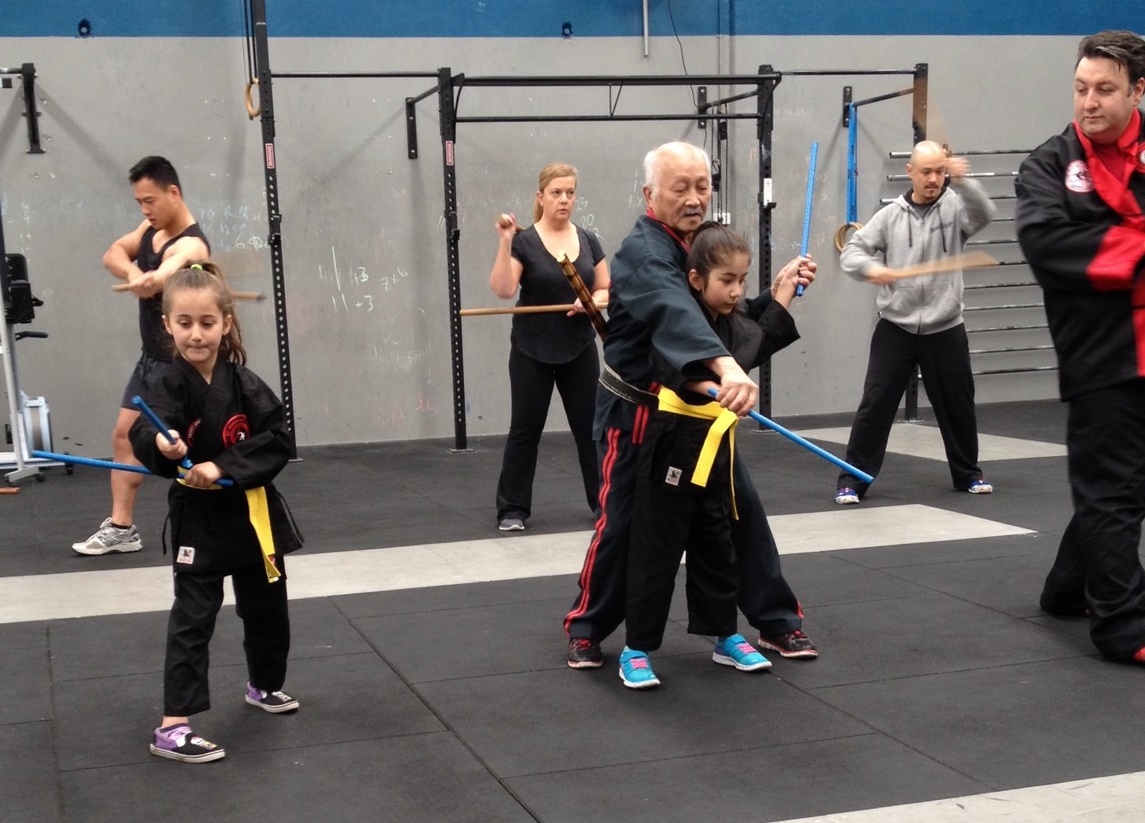
Arnis, or eskrima, is a precious cultural heritage in martial arts from the Philippines. The name is taken from the old Spanish word arnés, which means “armor”, as well as the word esgrima for fencing in Spanish. Arnis remains a strong cultural asset as it holds the story of resistance against colonialization during the Philippine-Spanish war.
In its practice, arnis uses a stick in the duel, usually a slim rattan stick. All attacks must be done with the stick, except for the feet, which can be done with or without the stick. Unarmed attacks, like kicking and punching other parts of the body, are prohibited. Players use safety equipment to play, such as gloves, arm guards, and helmets.
Arnis is conducted in two to three rounds, with one minute for each round and 30 seconds of rest between rounds. The game starts with two players saluting each other and the judges. If the same player wins twice, then the third round does not need to be conducted. The winner gains 10 points for leading the victory in each round.
Arnis Through Time: Origins and Development

Arnis, which functions as a significant form of martial arts in the Philippines, holds a deep and diverse historical origin. It is diverse since there are many versions regarding this. In the legendary story, it is said to have come from a Buddhist monk who traveled to Southeast Asia, reached Luzon, and introduced the martial art to the locals.
That’s the legendary version of its origin. The real one that can be traced back is that this martial arts became a tool for rebelling against the Spanish colonization of the Philippines around 1521. The martial art was then banned, but Filipino people secretly practiced it.
In the 1990s, arnis was developed in new styles, being modernized and becoming popular among the locals. From the 1970s to the 1980s, arnis was improved with the government establishing the Philippine Amateur Arnis Association (PAAA), and in 2009, it was declared the national martial art and sport, continuously promoting it to the world.
Arnis and Its Value to the Filipino People

To the Filipino people, arnis is not merely a martial art, but a powerful symbol of the Philippines’ resilience. It is connected to its historical background, as arnis became a tool to fight against Spanish colonization during the Philippine-Spanish war, and later, during the Philippines-American war.
The meaning ingrained within arnis encourages the Filipino people to be aware of and nurture their own cultural heritage. Some say it has become a “rebellion art” that reminds people of their roots. Moreover, young people in the Philippines strive to promote this with benefits like learning self-defense as well as maintaining good health.
Arnis, as a martial art, also does not view people based on their gender; it embraces all existing diversity to learn and participate in the art. The aspects within arnis carry values of discipline, respect, and perseverance, which are important lessons to learn.
Arnis plays an essential role in the Philippines’ cultural heritage. Its significance goes much deeper when we take a look at its history. It remains an asset of resilience and pride for the Philippines.
This article was created by Seasians in accordance with the writing rules on Seasia. The content of this article is entirely the responsibility of the author.