It’s bold. It’s regal. It’s revered. With its sweeping diagonal strokes that echo the rhythm of crashing waves, Batik Parang stands as one of Indonesia’s most iconic textile motifs. It is an emblem of strength, continuity, and spiritual resilience.
Once reserved for kings and warriors, its “S”-shaped patterns speak of power, perseverance, and noble leadership. Yet in a curious twist, this celebrated design is strictly forbidden in one of life’s most sacred ceremonies: the wedding.
Why would a motif so rich in symbolism be shunned at the very moment two lives unite? The answer lies in centuries of royal decree, spiritual belief, and the delicate philosophy behind Javanese harmony.
Who Created Batik Parang?
Parang’s story begins in the 16th century, during the reign of Panembahan Senapati, founder of the Mataram Sultanate. Legend tells of his meditation by the tumultuous southern seas, where he sought divine guidance from Nyai Roro Kidul, the mythical Queen of the South.
Inspired by the relentless waves striking the coral cliffs, he envisioned a motif that captured life’s eternal struggle. It reflected discipline, strength, and dominion over both the physical and spiritual realms.
From that moment, Batik Parang became a royal insignia. It was worn exclusively by kings, princes, and court elites, signifying divine authority and sacred power. Variations such as Parang Barong and Parang Rusak were reserved for the sultan and crown prince, woven into the very fabric of palace hierarchy.
What Does Batik Parang’s Design Hide?
The Parang motif is made up of diagonal “S”-shaped lines that flow endlessly, like waves in motion. This continuous pattern reflects strength, perseverance, and the journey of life that never stops. Beneath its elegant form, Parang carries deeper layers of meaning through several symbolic elements:
- Mlinjon: a diamond-shaped or slanted square form placed between the flowing “S” shapes. It represents the beginning of human life and serves as the foundation of existence, with its stable form reflecting balance and direction.
- Mata Gareng (Ciker): inspired by the Punokawan wayang character Mata Gareng, depicted with one weak eye and a deformed hand. In the motif, this appears as small dots or curved shapes, symbolizing focus, humility, and the wisdom of avoiding greed.
- Sujen: vertical lines that represent the challenges of life, unified into one path, emphasizing the discipline required to face difficulties with integrity.
Together, these elements turn Parang into more than just a decorative motif. It becomes a visual philosophy about resilience, self-awareness, and moral strength.
Batik Parang Variations, Different Meanings
While the overarching meaning of Parang reflects perseverance and moral discipline, each variation carries its own symbolic depth. These differences are expressed both in form and philosophy:
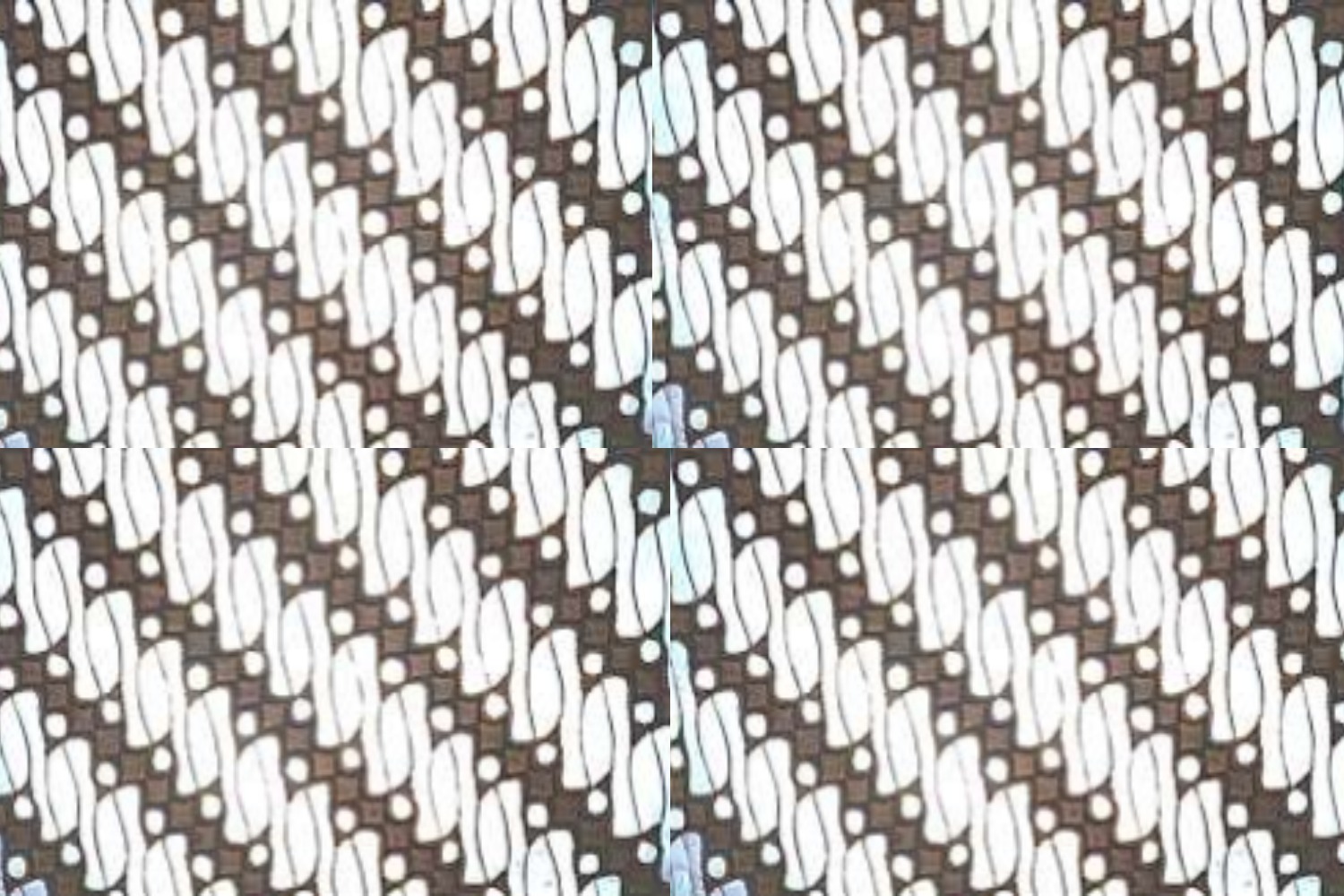
Parang Barong – the grandest and largest form of Parang, with bold, wide strokes that dominate the cloth. Its powerful scale mirrors its exclusivity. It was reserved only for the sultan and his immediate family, symbolizing divine power and ultimate authority.
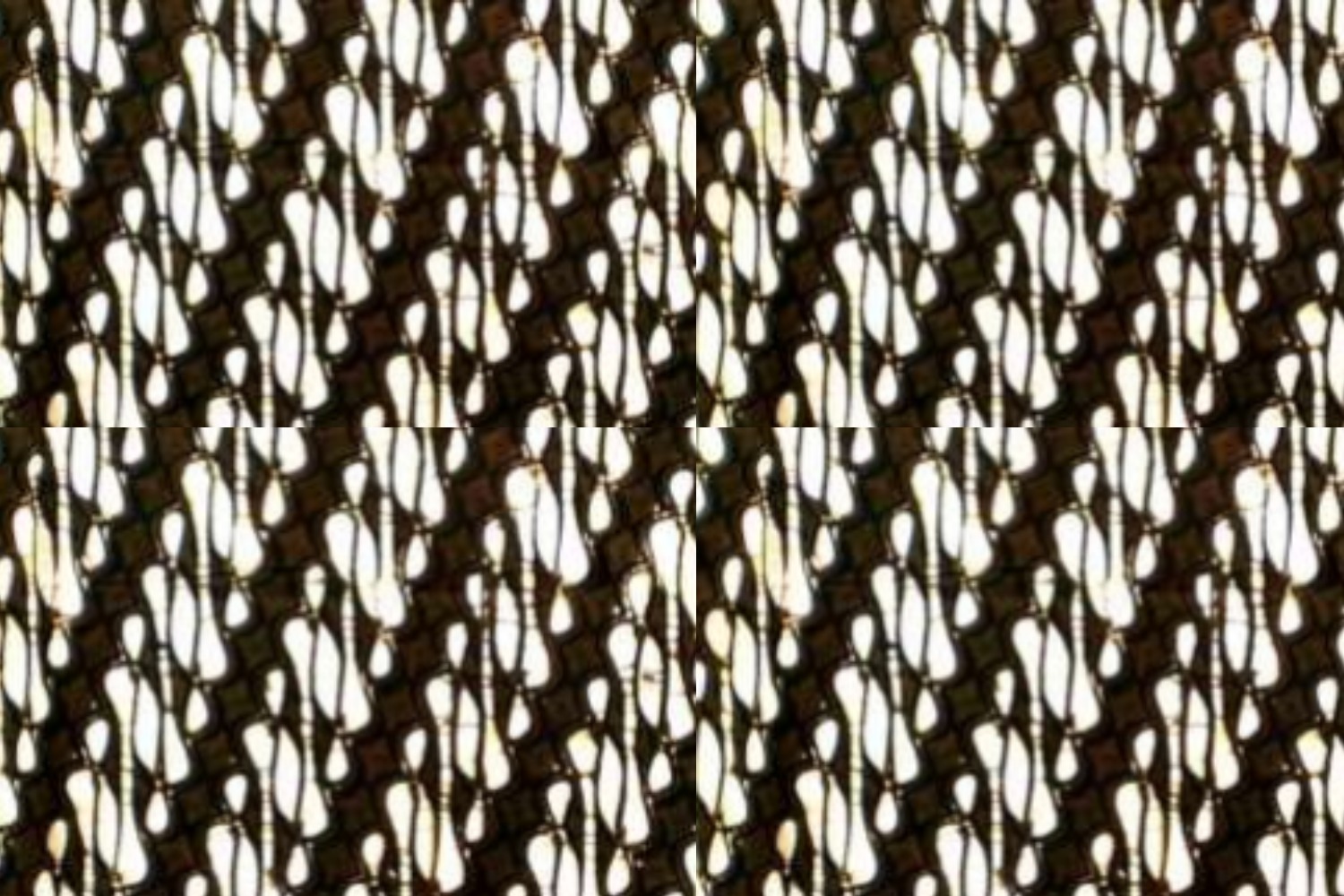
Parang Kusumo – softer in appearance, its motifs are often accompanied by floral patterns, with the flowing “S” shapes intertwined with blossoms. This visual delicacy reflects the philosophy of living gracefully, nurturing human connection, and sustaining harmony in relationships.
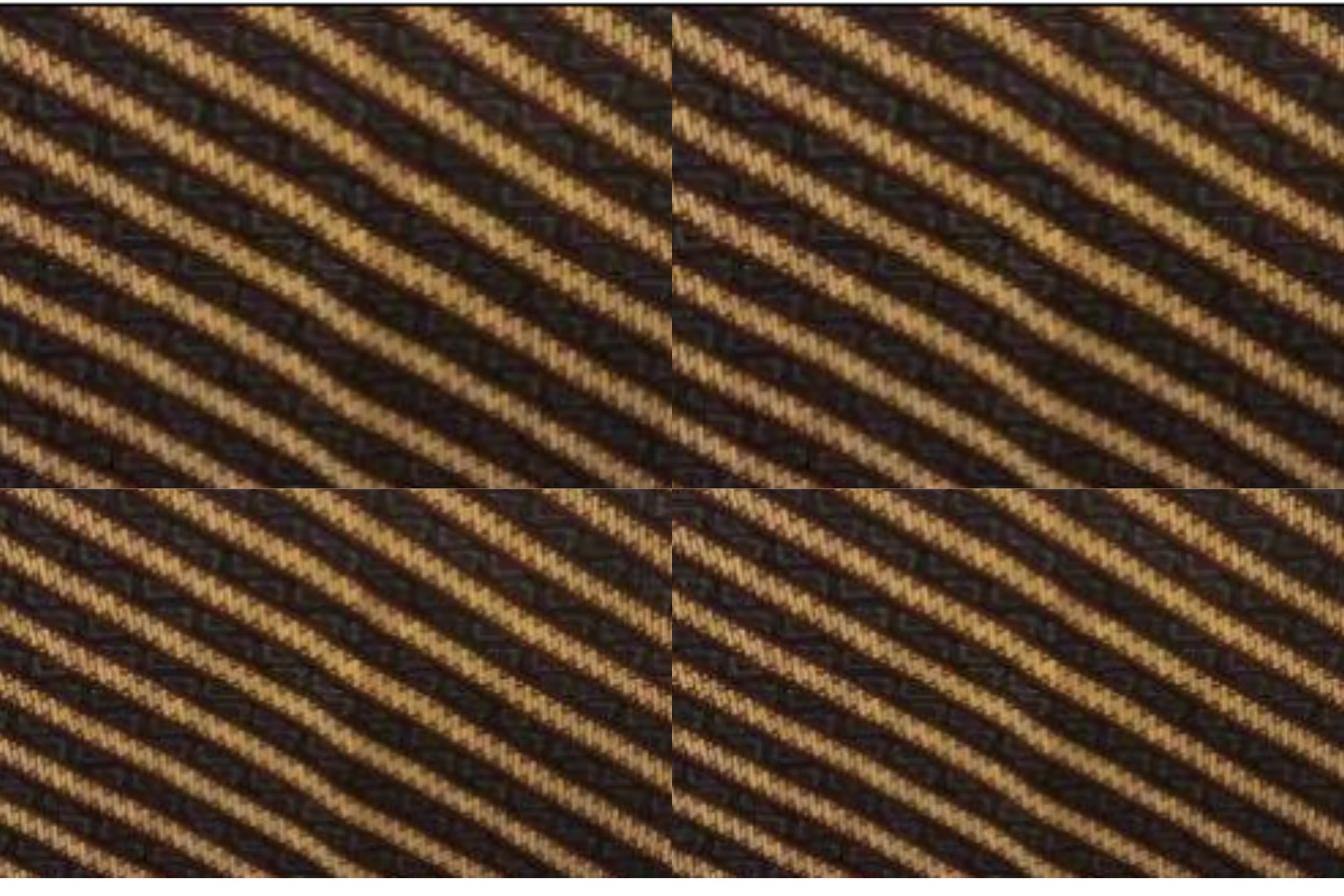
Parang Klitik – drawn with thinner, more refined strokes, its smaller scale creates a sense of subtlety and elegance. The form conveys femininity, refinement, and the quiet strength of grace, often associated with women of the court.
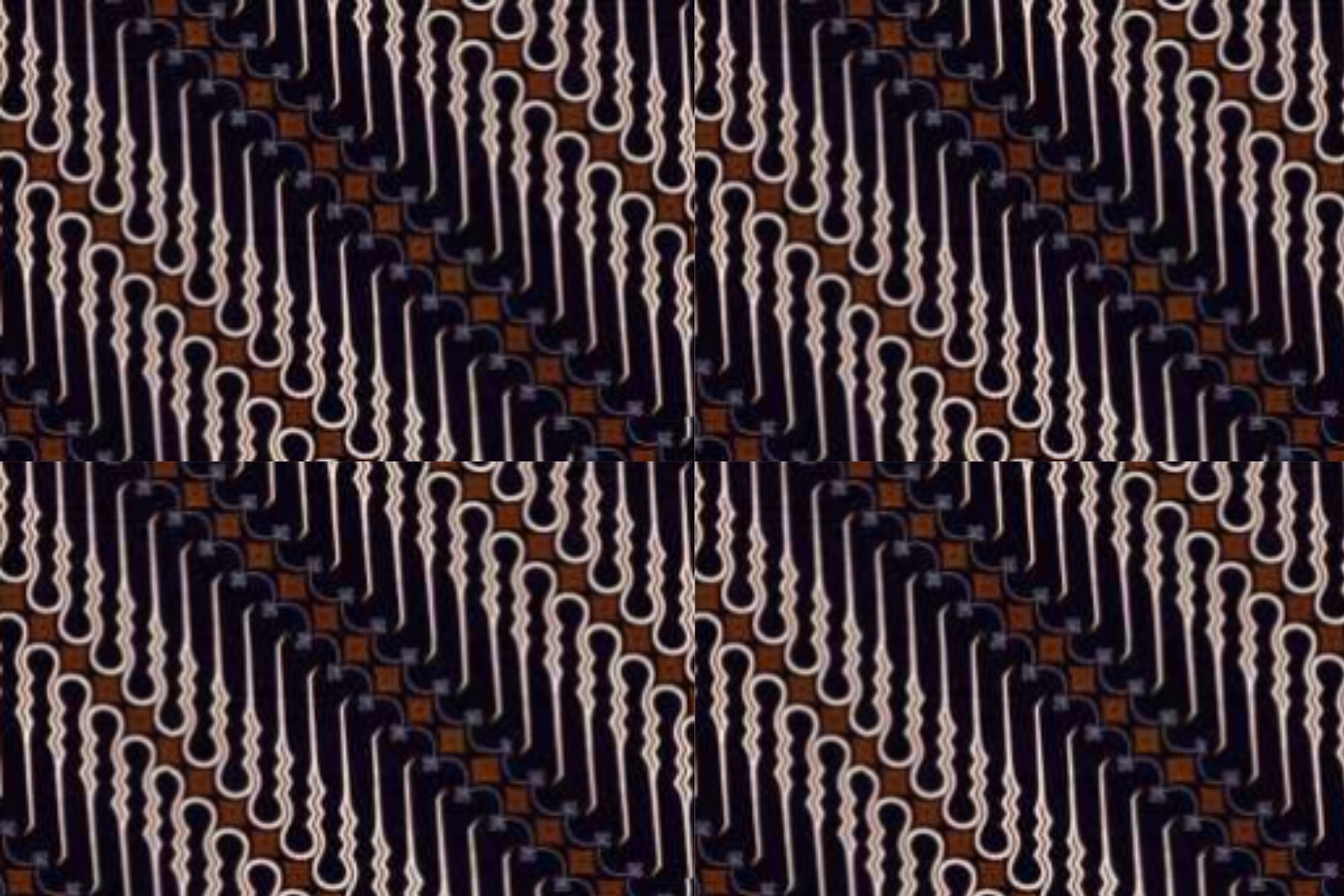
Parang Curigo – identified by sharp, dagger-like strokes that resemble the shape of a keris. The pointed, assertive shapes emphasize intelligence, composure, and the authoritative qualities expected of rulers and warriors.
Across all its forms, Parang emphasizes continuity, vigilance, and the moral responsibility of leaders to uphold harmony and protect their people. Each variation enriches the motif, ensuring that Parang is not only a visual identity of Javanese royalty but also a profound philosophical compass for life. So why is it not allowed in weddings?
Why Is Batik Parang Forbidden at Weddings?
Despite its grandeur, Parang is classified as a batik larangan—a restricted motif—within the royal courts of Yogyakarta and Surakarta. Known as Awisan Dalem, these patterns were bound by palace regulations and imbued with sacred energy. Only nobility, under the Sultan’s authority, could wear them.
The 1927 Rijksblad van Djokjakarta formalized these rules, detailing who could wear which variation. Parang Rusak Barong was reserved for the king and the crown prince. Parang Klitik was permitted for distant royal descendants. Commoners were excluded.
In weddings, the prohibition is even more pronounced. Javanese philosophy warns that Parang’s warlike symbolism—its association with battle, resistance, and power—could invite conflict into the household. Rather than symbolizing unity, it risks foreshadowing strife between spouses.
This belief endures. At the 2022 wedding of Kaesang Pangarep, the son of Indonesia’s then-president Joko Widodo, and Erina Gudono, Parang was notably absent. As Kaesang explained, “That motif is only for Kanjeng Gusti and his family. For us ordinary people, we wear other patterns.”
How Has Parang Evolved Beyond the Palace?
Although Parang remains restricted in the context of marriage, its presence has flourished in modern design. Today, the motif adorns public buses, hotel interiors, billboards, and civic monuments across Java—far beyond its original confines within royal garments. Once reserved exclusively for nobility, Parang has evolved into a symbol of Indonesian artistry recognized on the global stage.
Its absence in weddings is not driven by fear, but by reverence. The motif carries meanings of power, endurance, and royal authority, qualities considered too forceful for the gentle equilibrium of a new household.
Ultimately, Batik Parang is a paradox. It's a motif celebrated for its beauty and depth, yet respectfully forbidden in wedding celebrations.
Sources:
https://www.kratonjogja.id/kagungan-dalem/12-motif-batik-larangan-keraton-yogyakarta/
https://sonobudoyo.jogjaprov.go.id/id/tulisan/read/sejarah-batik-parang
https://www.goodnewsfromindonesia.id/2022/12/11/memahami-filosofi-batik-parang-di-balik-larangan-penggunaannya-di-pernikahan-kaesang-erina
https://javanologi.uns.ac.id/2022/10/17/batik-parang/
https://jurnal.unw.ac.id/index.php/DEFA/article/view/3013/2313
https://www.researchgate.net/publication/395179579_Revitalisasi_Makna_dan_Estetika_Batik_Parang_Dari_Sakralitas_Keraton_ke_Ekspresi_Kontemporer
This article was created by Seasians in accordance with the writing rules on Seasia. The content of this article is entirely the responsibility of the author.