


Opinions about nations vary widely, influenced by geopolitics, human rights, media narratives, and international incidents. The World Population Review pulls together public opinion surveys globally to generate a list of the most disliked countries in 2025.
The following ten countries are identified as those receiving the highest levels of negative sentiment around the world. Here is a look at each of them and the reasons many cite for their unfavorable reputations.
1. China

China is ranked as the number one most disliked country globally. Critics point to its governance style which includes strict censorship, heavy surveillance of citizens, suppression of dissent, and treatment of minority groups, especially the Uyghur community.
Its foreign policy, territorial claims in the South China Sea, handling of Hong Kong and Taiwan tensions, as well as environmental issues, contribute to global criticism and mistrust.
2. United States

The United States comes in second on the list. Much of the negative sentiment arises from perceptions of its foreign policy interventions, its military involvement abroad, and accusations of exerting global dominance.
Domestically, issues such as political polarization, gun violence, and controversies over civil liberties and systemic racism add to the criticisms from both within and outside the country.
3. Russia

Russia is ranked third. Its recent and ongoing war in Ukraine has significantly harmed its international image.
Observers also cite concerns over restrictions on freedom of expression, political repression, use of state-controlled media, and broader questions about its commitment to international norms.
4. North Korea

North Korea is fourth on the list. Its extreme isolation, rigid authoritarian regime, human rights abuses, nuclear weapons program, and often erratic behavior in international affairs make it a frequent object of negative sentiment in global opinion.
5. Israel

Israel occupies the fifth position. Longstanding and ongoing conflict with Palestine, criticism over settlement expansion, military actions, and questions about treatment of Palestinians are cited as significant contributors to its low favorability among many people globally.
6. Pakistan
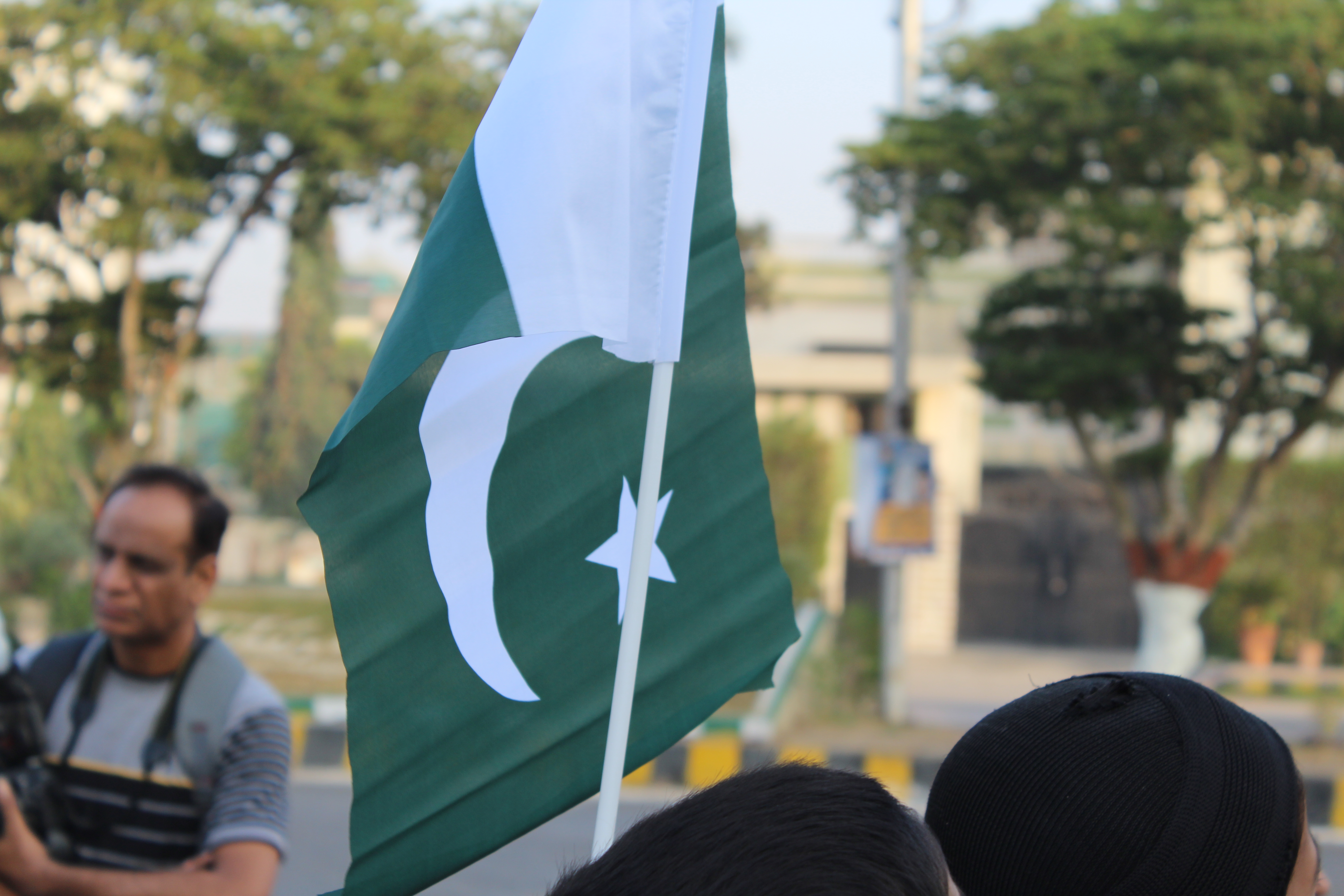
Pakistan is ranked sixth. Its image is affected by perceptions of political instability, concerns over extremist groups, human rights questions, and geopolitical tensions with its neighbours. These elements are often highlighted in international discourse and media.
7. Iran
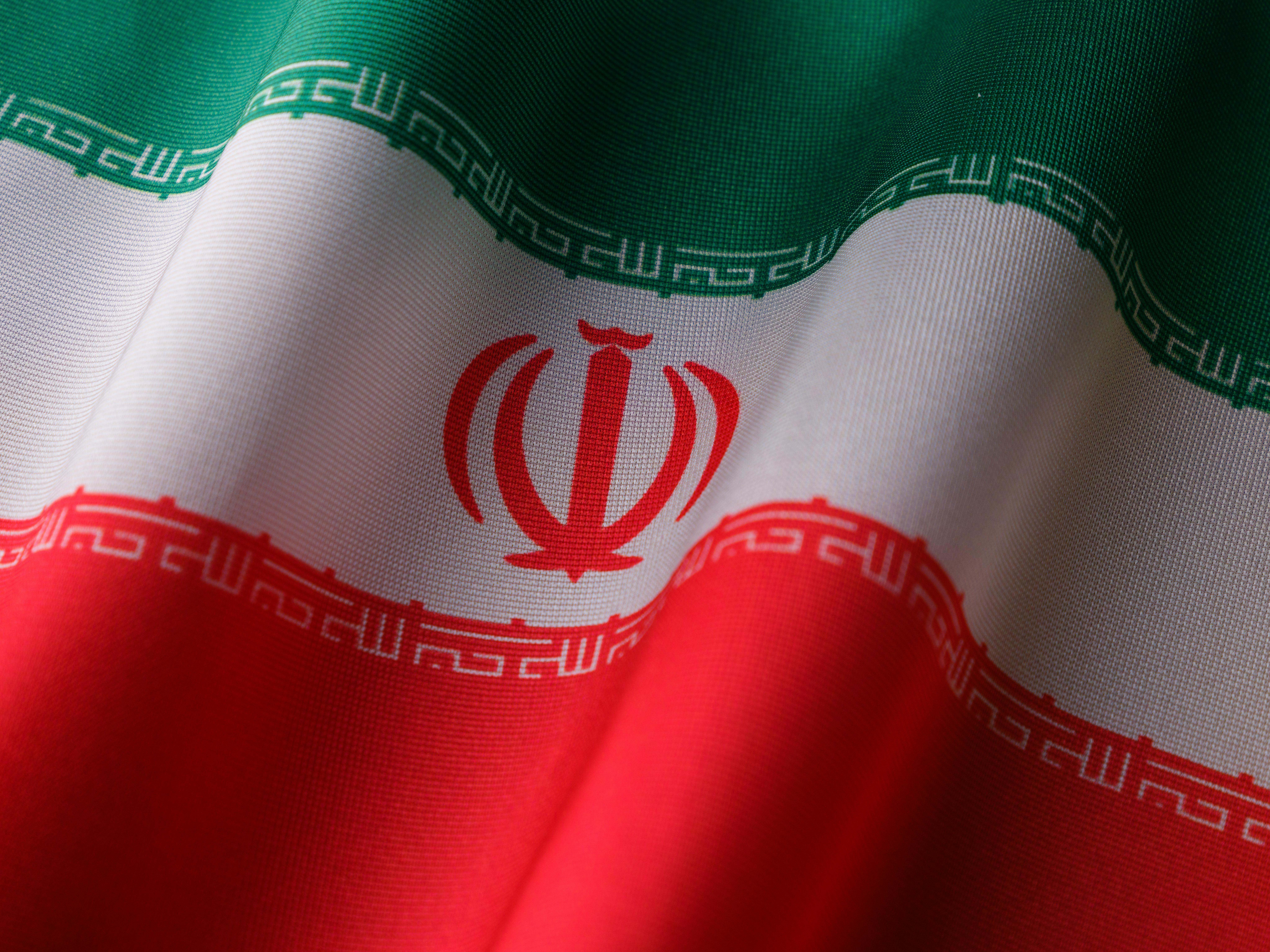
Iran is seventh. The country is frequently criticized over its governmental restrictions on freedoms, its foreign policy especially in the Middle East, support for certain non‑state actors, and nuclear program concerns. These issues feed into how people around the world view Iran.
8. Iraq

Iraq comes in eighth. Decades of war, internal instability, terrorist activity, sectarian conflict, and external interventions have all contributed to its challenging reputation.
The humanitarian impact of conflict and the slow progress in issues such as reconstruction and governance also figure in the global perception.
9. Syria
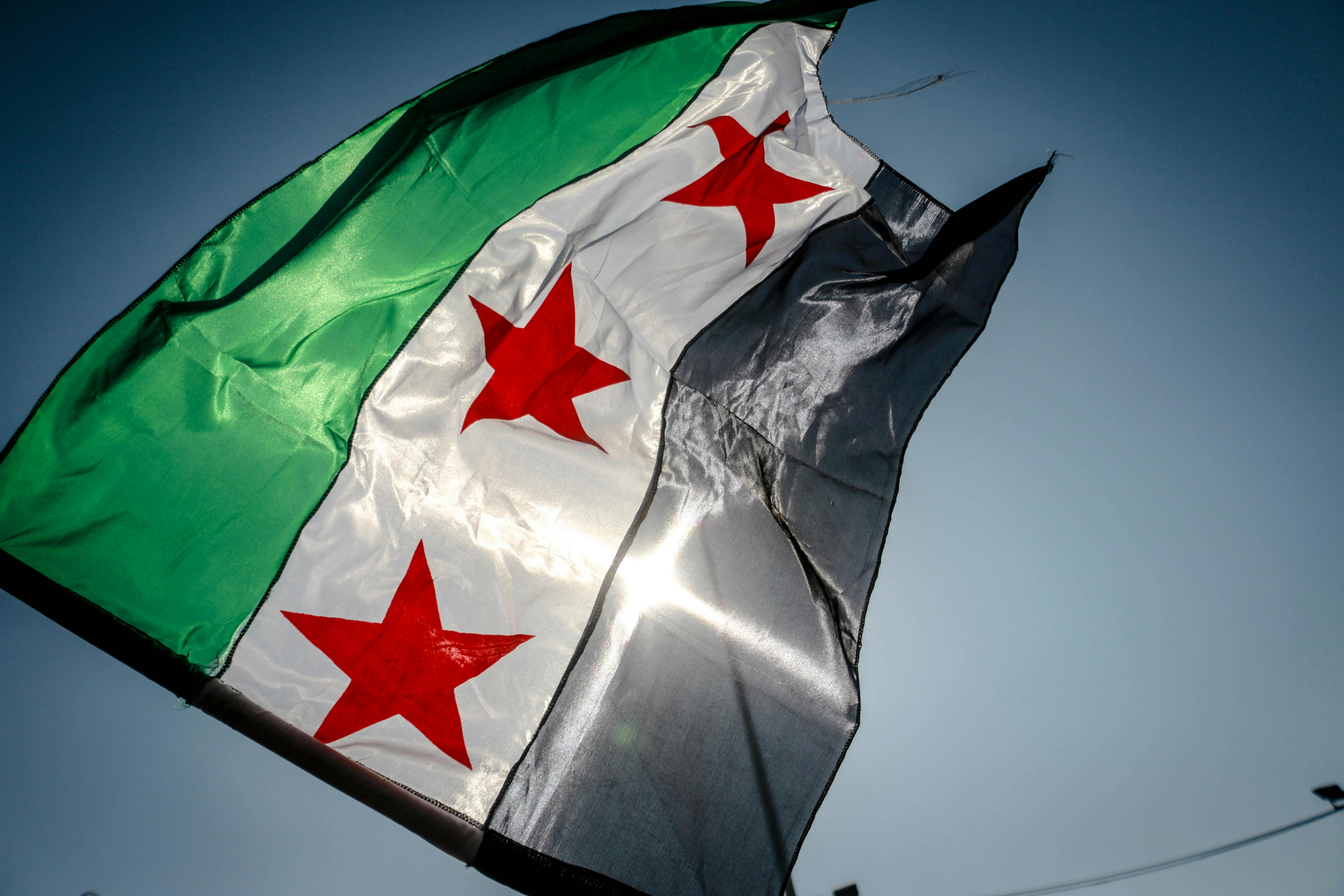
Syria is ninth. A long civil war, severe humanitarian crises, displacement of people, extensive infrastructure destruction, and ongoing violence have made it a symbol of conflict and suffering in the public imagination.
These circumstances have led many around the world to view Syria with deep concern and often unfavorable sentiment.
10. India

India rounds out the top ten most disliked countries in the survey. While India is praised in many quarters for its economic growth, cultural influence, large democracy, and global diaspora, there are also criticisms that contribute to its lower standing in this context.
These include concerns over religious tensions, freedom of expression, and political polarization. Some observers see movements toward nationalism and policies that may affect minority rights as factors that affect how people abroad view India.


